
The Herb Prof Team researches and writes our herbal guides, drawing on published research, traditional herbal references, and hands-on growing experience.
Milk thistle tea is a gentle, traditional way to support your liver while enjoying a warm, soothing drink. It has been used for centuries in herbal medicine and is still popular today as a natural liver‑supportive tea. While most research focuses on standardized supplements, regularly drinking this tea can still contribute beneficial antioxidants and may complement a healthy lifestyle.
In this guide, you’ll learn what milk thistle tea is, how it may help your liver and overall health, how to make it at home (including a “detox” version), plus key safety tips and FAQs.
What is Milk Thistle Tea?
Milk thistle (Silybum marianum) is a flowering plant in the daisy family whose seeds and above‑ground parts have been used for liver and gallbladder problems for hundreds of years. Its main active group of compounds is called silymarin, a mixture of flavonolignans with antioxidant and anti‑inflammatory effects.
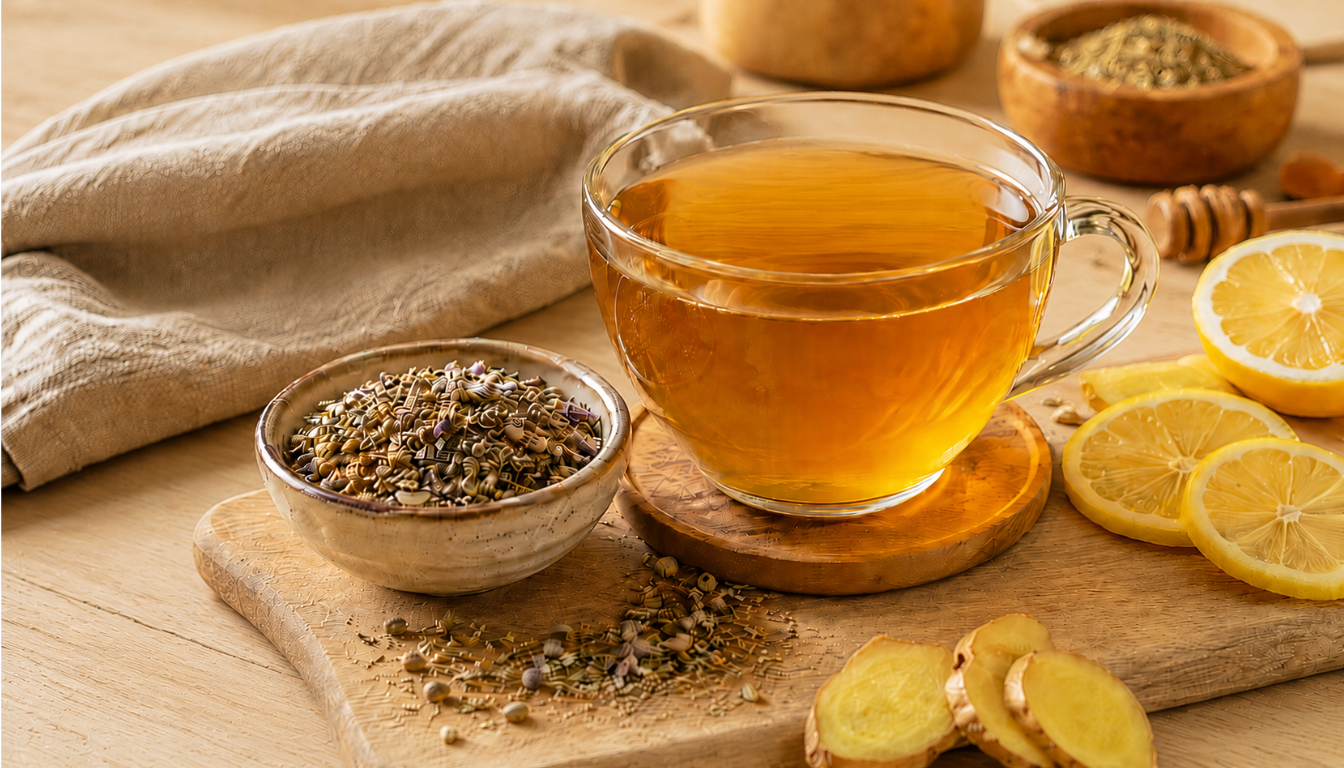
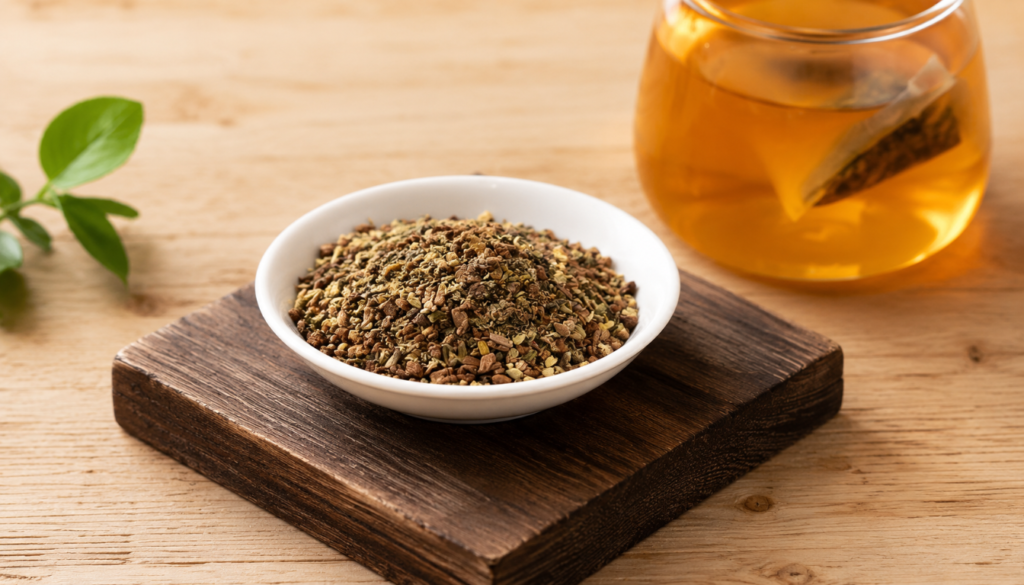
The tea is usually made from crushed seeds, leaves, or a prepared tea bag steeped in hot water. Compared with capsules or standardized extracts, tea is a milder form and likely delivers a lower, gentler dose of silymarin.
Potential Benefits of Milk Thistle Tea
Who might consider milk thistle tea:
- Adults who want gentle, ongoing liver support alongside a healthy lifestyle
- People who prefer a mild “detox‑style” herbal tea instead of strong supplements
- Anyone looking to add more antioxidant‑rich herbs to their daily routine
If you have diagnosed liver disease, diabetes, or take regular medications, talk with your healthcare provider before using milk thistle tea regularly.
1. Liver support and detox assistance
Milk thistle is most famous for its potential to support liver health. Traditional and modern herbal use includes fatty liver disease, hepatitis, cirrhosis, and protection against certain toxins. Research on standardized silymarin extracts suggests:
- Antioxidant and anti‑inflammatory activity in liver tissue
- Support for liver cell regeneration in some conditions
- Possible protection against certain drug or toxin induced liver injuries
Because tea is less concentrated than standardized supplements, you should think of it as a gentle supportive drink rather than a treatment on its own. Still, including milk thistle tea as part of a liver‑friendly routine (whole foods, minimal alcohol, healthy weight, medical care as needed) may be a reasonable complementary strategy for some people.
2. Antioxidant support
Silymarin is a strong antioxidant that may help neutralize free radicals and reduce oxidative stress. Oxidative stress is linked to chronic conditions like heart disease, diabetes, and some liver diseases, so adding antioxidant‑rich foods and herbs may be beneficial as part of an overall pattern of healthy eating.
Milk thistle tea is unlikely to provide the same antioxidant dose as high‑strength extracts, but as a repeated daily beverage it can still contribute to your overall antioxidant intake.
3. Blood sugar and metabolic health (early evidence)
Several studies of milk thistle supplements suggest potential modest improvements in blood sugar control and insulin resistance in people with type 2 diabetes or metabolic syndrome. There is not strong direct research on milk thistle tea for blood sugar, but the same active family (silymarin) is involved.
This means tea might provide a small additional benefit as part of a broader care plan (diet, exercise, medication), but it should never replace your prescribed diabetes treatment.
4. Cholesterol and heart health (limited data)
Some clinical data on milk thistle extracts suggest possible small improvements in cholesterol and triglyceride levels, particularly in people with metabolic issues. Again, these studies use standardized doses, not tea, so you should see any heart‑related benefit from tea as modest and supportive at best.
How to Make Basic Milk Thistle Tea
You can make milk thistle tea from loose seeds, leaves, or ready‑made tea bags. The seed‑based versions usually contain more silymarin.
Ingredients
- 1–2 teaspoons crushed milk thistle seeds (or 1 prepared tea bag)
- 1 cup (240 ml) freshly boiled water
- Optional: slice of lemon, fresh ginger, a little honey or stevia for taste
Instructions
- Crush the seeds (if using whole). Lightly crush in a mortar and pestle or with the back of a spoon to help release the active compounds.
- Steep. Place the crushed seeds or tea bag in a mug, pour over 1 cup of hot (just‑off‑boil) water.
- Wait. Cover and steep for 10–15 minutes to extract more flavor and plant compounds.
- Strain. If using loose seeds or leaves, strain through a fine sieve or tea strainer.
- Flavor and enjoy. Add lemon, ginger, or a small amount of sweetener if you like. Milk thistle tea is mild, slightly earthy, and nutty on its own.
You can drink this once daily to start and increase to up to 2–3 cups per day if tolerated, unless your healthcare provider advises otherwise.
Milk Thistle “Detox” Tea Recipe For Liver Support

Many people like to combine milk thistle with other traditional liver‑supportive herbs to create a simple “detox” blend. While the word “detox” is overused, these blends are really about giving the liver antioxidant‑rich, bitter herbs that may support its natural cleansing functions.
Ingredients (1–2 servings)
- 1 teaspoon crushed milk thistle seeds or 1 tea bag
- 1 teaspoon dried dandelion root or leaf (or 1 tea bag)
- 1–2 slices fresh ginger
- 1–2 teaspoons fresh lemon juice
- Optional: a small cinnamon stick for flavor and blood‑sugar‑friendly warmth
- 2 cups (480 ml) hot water
Instructions
- Combine herbs. Add milk thistle, dandelion, ginger, and cinnamon (if using) to a teapot or heat‑proof jar.
- Add water. Pour over 2 cups just‑boiled water.
- Steep. Cover and let steep 10–15 minutes. For a stronger, bitter brew you can steep up to 20 minutes.
- Strain. Strain into cups.
- Finish with lemon. Add lemon juice just before drinking to preserve its vitamin C and fresh taste.
Drink 1–2 cups per day for a short “support block,” such as 2–4 weeks, while focusing on liver‑friendly habits like limiting alcohol, eating plenty of vegetables, staying hydrated, and following your doctor’s advice.
How Much Milk Thistle Tea Can You Drink?
There is no universally agreed‑upon “standard dose” for milk thistle tea, but common herbal practice and consumer guidelines suggest:
- 1–3 cups per day of milk thistle tea, depending on your tolerance and overall health
- Each cup usually uses 1–2 teaspoons of crushed seeds or one commercial tea bag steeped 10–15 minutes
Because tea is milder than concentrated supplements, these amounts are generally considered gentle for most healthy adults, but individual responses vary. If you have liver disease, are on multiple medications, or are pregnant or breastfeeding, you should check with your healthcare provider before using milk thistle regularly.
Side Effects, Interactions, and Safety
Common side effects
Most people tolerate milk thistle well, but possible side effects include:
- Mild digestive upset (nausea, bloating, loose stools)
- Headache or mild dizziness in some individuals
- Allergic symptoms such as itching, rash, or swelling in sensitive people
If you experience any allergic‑type reaction (hives, swelling, breathing difficulty), stop drinking it and seek medical help immediately.
Who should be cautious or avoid milk thistle tea?
You should talk to a qualified healthcare professional before using milk thistle tea if you:
- Have known allergies to plants in the Asteraceae family (ragweed, daisies, marigolds, etc.)
- Are pregnant or breastfeeding as data on safety is limited
- Have hormone‑sensitive conditions, since milk thistle may have mild estrogen‑like effects in some contexts
- Have serious liver disease and are already under specialist care
- Take medications that are metabolized by liver enzymes or require very precise dosing
Because interactions are possible, it is especially important to get medical advice if you use anticoagulants, antiplatelet medicines, certain chemotherapy agents, or other drugs with a narrow therapeutic range.
Tea vs supplements: what’s the difference?
- Tea: Gentler, less concentrated, more suitable for people who want a mild, routine beverage with potential liver and antioxidant support.
- Standardized supplements (capsules/tablets): Provide controlled amounts of silymarin studied in clinical trials, sometimes used alongside conventional treatment for specific liver conditions under medical guidance.
Tea is not a substitute for medical treatment or for standardized milk thistle preparations when those are recommended by a doctor.
Practical Tips to Get The Most From Milk Thistle Tea
- Use quality herbs. Choose reputable brands and, where possible, organic seeds or tea to reduce pesticide exposure.
- Crush seeds just before use. Grinding or crushing right before steeping can improve extraction of silymarin.
- Cover while steeping. Keeping your mug or pot covered helps capture volatile compounds and flavor.
- Pair with a healthy lifestyle. Tea works best alongside a balanced diet, limited alcohol, good sleep, and regular physical activity.
- Check with your doctor. Particularly if you have liver disease, are on medications, or are pregnant, medical guidance is essential.
Before You Go – Milk Thistle Tea
Milk thistle tea can be a gentle way to support your liver and overall wellness, especially when it’s part of a healthier lifestyle rather than a quick fix. If you have a liver condition, take regular medications, or are pregnant or breastfeeding, talk with your healthcare provider before making it a daily habit.
If you’d like to dive deeper into the science, read our full guide to milk thistle benefits. And if you’re considering stronger, standardized options, take a look at our review of milk thistle supplements for liver detox.
Use the simple recipes above as a starting point and notice how your body responds over a few weeks. If you feel well and your doctor is comfortable with it, milk thistle tea can become a calming, health‑supportive ritual in your day.
References – Milk Thistle Tea
Little Herb Encyclopedia, by Jack Ritchason; N.D., Woodland Publishing Incorporated, 1995
The Ultimate Healing System, Course Manual, Copyright 1985, Don Lepore
Planetary Herbology, Michael Tierra, C.A., N.D., Lotus Press, 1988
Handbook of Medicinal Herbs, by James A. Duke, Pub. CRP Second Edition 2007
The Complete Medicinal Herbal, by Penelope Ody, Published by Dorling Kindersley
Related Articles
Milk Thistle Tincture Recipe: A Simple and Effective Guide
Natural Diuretic Foods: Enhance Health & Reduce Bloating
Milk Thistle Supplements for Liver Detox: Top Options
Milk Thistle Benefits: A Natural Detoxifier and Liver Protector
Frequently Asked Questions – Milk Thistle Tea
Does milk thistle tea actually “detox” the liver?
Milk thistle’s silymarin complex appears to support liver cells and provide antioxidant protection, which may help the liver do its natural detox job more effectively, especially in supplement form. However, tea alone is not a medical detox or cure for liver disease and should not replace conventional treatment.
How long can I drink milk thistle tea?
Many people use milk thistle tea in blocks (for example, a few weeks at a time) or as an ongoing gentle beverage if they tolerate it well and their healthcare provider has no concerns. If you have a liver condition, long‑term use should always be supervised medically.
Can I drink milk thistle tea every day?
Healthy adults who tolerate it can usually drink 1–2 cups daily, but you should watch for side effects and review all herbs and supplements with your doctor, especially if you have underlying conditions or take other medications.
Are there any side effects of milk thistle tea?
Milk thistle tea is generally safe but may cause upset stomach, nausea, or diarrhea in some individuals. Allergic reactions and interactions with medications can occur, so consulting a doctor is advisable, especially for pregnant or nursing women.