Tomatoes fill countless households as a staple food. Have you ever considered their nutritional value? As a food enthusiast, I constantly search for new and exciting ingredients. Over the years, I discovered some obscure vegetable names that caught my attention. These vegetables may not enjoy the same popularity as carrots or broccoli, but they taste just as delicious and provide equal nutrition.
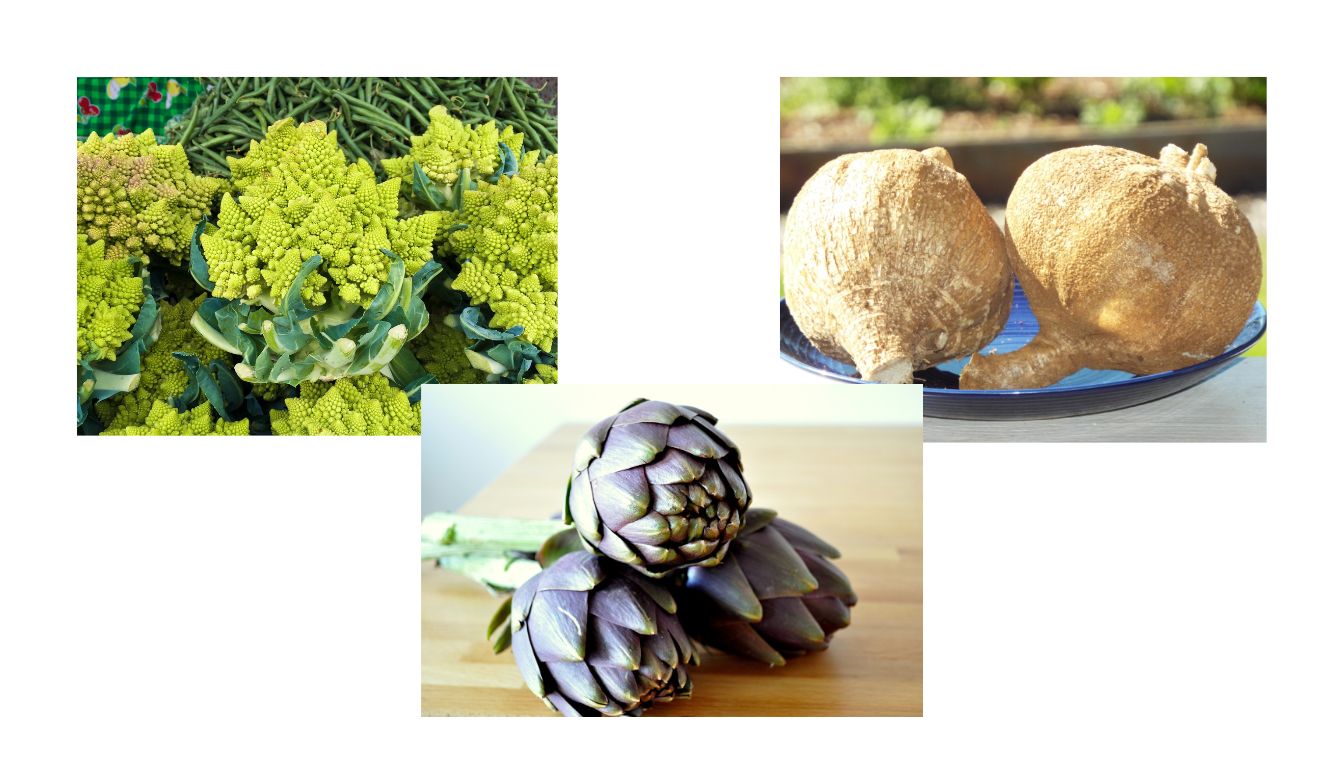
One such vegetable is kohlrabi, also called the German turnip. You peel away its tough outer layer before eating it, but once you do, you uncover a crisp and juicy vegetable that works well raw or cooked. Another unusual vegetable is Romanesco broccoli, which displays a striking appearance with spiral patterns in its florets. It belongs to the Brassica Oleracea family, which also includes cauliflower and kale.
Exploring obscure vegetable names offers a fun and rewarding experience for any food lover. You can discover new flavors and textures while expanding your knowledge of different cultures and cuisines. Step out of your comfort zone and try something new; you may uncover delicious surprises you never expected.
Understanding Obscure Vegetable Names
As a food enthusiast, I always feel fascinated by the variety of vegetables available in the market. Most people recognize common veggies like carrots, potatoes, and tomatoes, but many others remain less known and often strike us as weird, unusual, or exotic.
These obscure vegetables add unique flavors and textures to meals, and they deserve exploration. In this section, I introduce some of the most interesting and lesser-known veggies you can discover.
One of my favorite weird vegetables is kohlrabi. This bulbous stem grows leaves sprouting from the top and looks quite strange. Its mild flavor tastes like a mix of broccoli and cabbage. You can eat kohlrabi raw or cooked, and it works beautifully in salads, stir-fries, and soups.
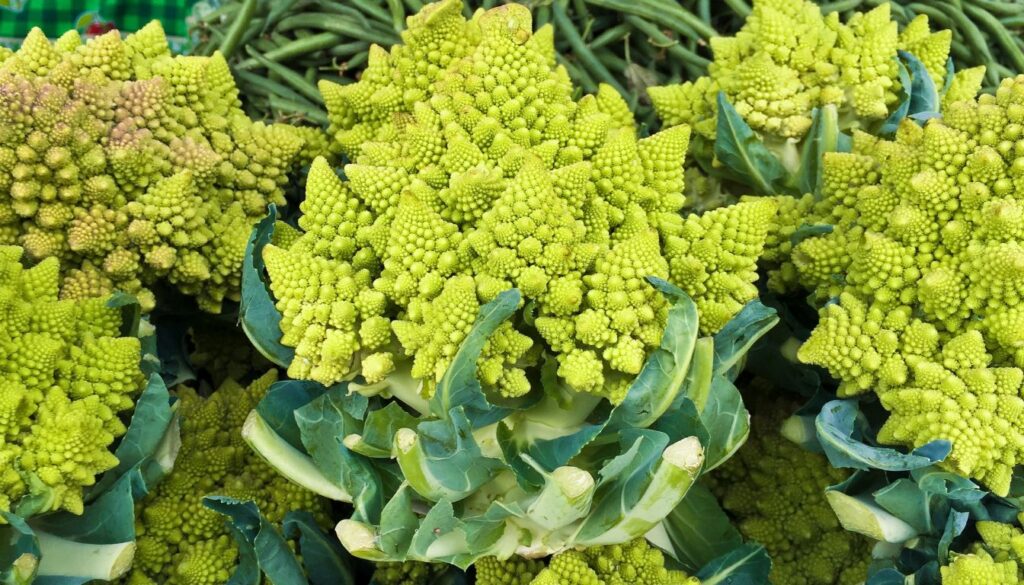
Another unusual vegetable is Romanesco broccoli. It resembles a cross between broccoli and cauliflower, with a bright green color and spiral florets. Romanesco delivers a nutty flavor and crunchy texture, and it tastes delicious when roasted or grilled.
If you want an exotic vegetable to spice up your meals, try dragon fruit. This tropical fruit shows off bright pink or yellow skin with white or red flesh dotted with tiny black seeds. Dragon fruit offers a sweet, refreshing flavor similar to kiwi and pear. You can add it to smoothies, fruit salads, and desserts for a vibrant twist.
Nutritional Profiles and Benefits – Obscure Vegetable Names
I always enjoy exploring the wide variety of vegetables available. In this section, I discuss the nutritional profiles and benefits of obscure vegetables that many people often overlook.
Vitamin and Mineral Content – Obscure Vegetable Names
Many lesser-known vegetables deliver essential vitamins and minerals. Burdock root, a nutty-flavored root vegetable, provides iron, potassium, and antioxidants. It also supplies fiber, which supports a healthy digestive system. Bitter melon offers dense nutrition with vitamin C, potassium, and fiber. It also lowers blood sugar and often appears in traditional medicine as a treatment for diabetes.
Health Implications of Rare Veggies
Exotic vegetables provide unique health benefits in addition to their nutritional content. Watercress, a nutty-flavored leafy green, delivers antioxidants and shows anti-cancer properties. Jicama, a sweet and crunchy root vegetable, supplies fiber and supports improved digestion and weight loss.
Dietary Diversity and Exotic Vegetables
Adding obscure vegetables to your diet diversifies meals and introduces new flavors and textures. Celeriac, a knobby root vegetable, can be boiled, roasted, or mashed to add nutty flavor to soups and stews. Kohlrabi, a sweet and crunchy vegetable, works well raw in salads or pickled for tangy flavor.
Culinary Uses and Preparation Methods
You can prepare exotic vegetables in many ways. Salsify boils easily and then fries or roasts into a crispy texture. Celeriac bakes or mashes into a creamy texture. Exotic vegetables also enhance stir-fries, tacos, sauces, and other dishes.
Cultural and Geographic Origins – Obscure Vegetable Names
I enjoy exploring the cultural and geographic origins of unique and often underappreciated plant varieties. Here are some of the most interesting and diverse vegetable offerings from around the world.
Vegetables from the Andes
The Andes Mountains of South America grow a variety of unique vegetables cultivated for thousands of years. Oca, a colorful tuber, appears in shades of yellow, pink, and purple. Mashua, another Andean vegetable, tastes and feels similar to a turnip. The region also produces the purple sweet potato, a staple in the Peruvian diet that is now gaining popularity worldwide.
Asian Vegetable Varieties – Obscure Vegetable Names
Asia grows a wide range of unique and flavorful vegetables, many of which now appear in Western cuisine. The yardlong bean, also called the Chinese long bean, serves as a staple in Asian dishes and offers a crunchy texture with sweet flavor.
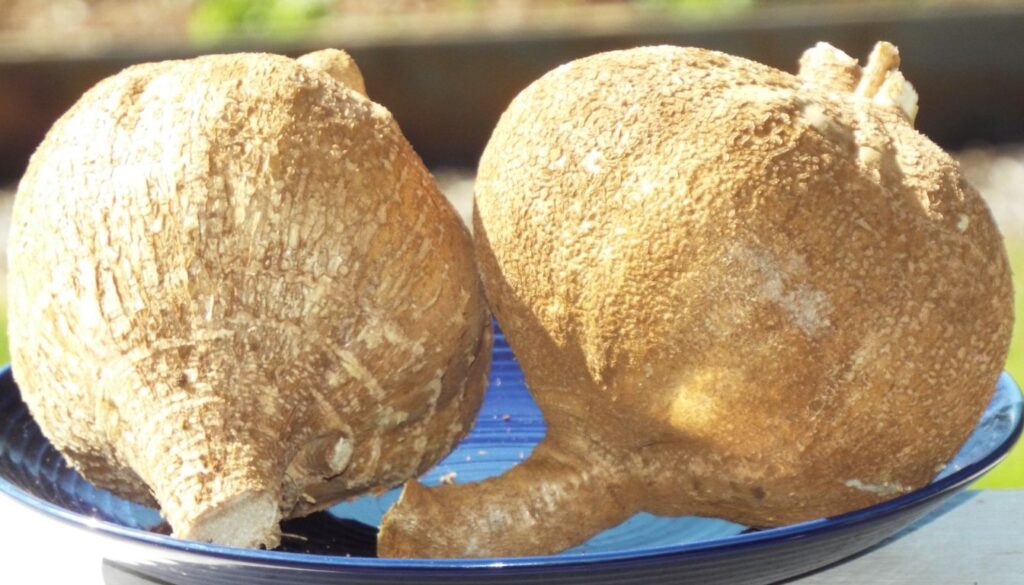
Jicama, a root vegetable native to Mexico but popular in Southeast Asia, delivers a crisp texture and mild sweetness. Sunchoke, also called the Jerusalem artichoke, provides a nutty, sweet flavor and enriches many dishes.
European Contributions to Vegetable Diversity
Europe contributes many unique and flavorful vegetables to the global culinary landscape. Samphire, a coastal plant that thrives in rocky areas, offers a salty, slightly bitter flavor.
Fiddleheads, the young coiled fronds of ferns, provide a delicate flavor and unusual appearance. The Mediterranean region also grows artichokes, eggplants, and fennel, each adding distinctive tastes to European cuisine.
African Indigenous Vegetables
Africa produces a wide variety of indigenous vegetables valued for their unique flavors and nutrition. Nopal, also called prickly pear cactus, serves as a staple in Mexican cuisine and delivers a tender, slightly sweet flavor. The continent also grows the New Zealand yam, also known as oca, which provides a nutty, slightly sweet flavor.
North American Native Veggies
North America cultivates unique and flavorful vegetables that indigenous peoples have grown for thousands of years. Sunchoke, also called the Jerusalem artichoke, offers a nutty, sweet flavor. The region also grows the purple sweet potato, a staple in the Peruvian diet that is now gaining popularity worldwide.
Oceania’s Unique Vegetable Offerings
Oceania is home to a variety of unique and flavorful vegetables that are prized for their nutritional value and unique flavors. One such vegetable is the New Zealand yam, which is also known as oca and is prized for its nutty, slightly sweet flavor.
Another Oceania vegetable variety is the taro, which is a staple in many Pacific Islander diets and is prized for its starchy texture and mild, nutty flavor.
Vegetables in Mediterranean Cuisine – Obscure Vegetable Names
The Mediterranean region is home to a variety of unique and flavorful vegetables that have become popular in cuisines around the world. One such vegetable is the artichoke, which is prized for its tender, slightly sweet flavor.
Another Mediterranean vegetable variety is the eggplant, which is prized for its meaty texture and mild, slightly bitter flavor. Fennel, a vegetable with a licorice-like flavor, is another popular Mediterranean vegetable variety.
Botanical Characteristics of Obscure Vegetable Names
As a plant enthusiast, I find it fascinating to explore the diverse range of vegetables that exist in the world. In this section, I will delve into the botanical characteristics of some of the more obscure vegetables that are not commonly known to many people.
Understanding Plant Families
Vegetables belong to different plant families, and it is essential to understand these groupings to identify their botanical characteristics. For example, celery, celeriac, and knob celery belong to the same family, Apiaceae. Similarly, kohlrabi, turnip, and radish belong to the Brassicaceae family.
Unique Shapes and Colors
One of the most intriguing aspects of obscure vegetables is their unique shapes and colors. For instance, romanesco broccoli is a fascinating vegetable with a fractal shape that is mesmerizing to look at. It is also known for its vibrant green color and nutty flavor. Similarly, purple carrots, white salsify, and yellow zucchini are just a few examples of vegetables with unique colors.
Obscure Vegetable Names – Leafy Greens vs. Root Vegetables
Leafy greens and root vegetables have distinct characteristics that set them apart. Leafy greens such as kale, spinach, and parsley are known for their high nutrient content and are often consumed raw in salads. On the other hand, root vegetables such as carrots and turnips have a denser texture and are often cooked before consumption.
The Role of Tubers and Sunchokes
Tubers such as Jerusalem artichokes, also known as sunchokes, are root vegetables that store energy in their swollen underground stems. They are a great source of inulin, a type of dietary fiber that promotes gut health. Sunchokes have a nutty flavor and can be eaten raw or cooked.
Cacti and Succulent Vegetables
Cacti and succulent vegetables such as nopales (cactus pads) and prickly pear are commonly consumed in Mexican cuisine. Nopales have a slightly tart flavor and are rich in vitamins and minerals such as vitamin C and magnesium. Prickly pear is a sweet fruit that can be eaten raw or used to make juice or jam.
Cooking and Pairing Suggestions – Obscure Vegetable Names
I find it fascinating to experiment with obscure vegetables and discover new flavors. Here are some cooking and pairing suggestions that can help you make the most of these unique vegetables.
Pairing with Proteins
When it comes to pairing with proteins, the sweet and nutty flavor of kohlrabi, for example, goes well with fish, chicken, and pork. Similarly, the bitter taste of Romanesco broccoli complements beef and lamb dishes.
Complementing with Carbohydrates – Obscure Vegetable Names
Pairing vegetables with the right carbohydrates can enhance their flavors. For instance, sweet potatoes go well with spicy tacos, while kohlrabi fries can be a great alternative to potato fries.
Vegetable Dishes for Fall and Winter
Fall and winter are the perfect seasons for roasted or pickled vegetables. Try roasting sunchokes with garlic and rosemary or pickling kohlrabi for a tangy snack.
Incorporating Vegetables into Salads
Salads are a great way to incorporate vegetables into your diet. Try adding thinly sliced kohlrabi or Romanesco broccoli to your salad for a unique crunch. You can also use sunchokes to make a tasty salad with apples and walnuts.
Creative Vegetable Snacks and Sides
Get creative with vegetable snacks and sides. For example, you can make a kohlrabi and apple slaw or use Romanesco broccoli to make a delicious pesto sauce. You can also try making a sunchoke puree or adding kohlrabi to your favorite stir-fry recipe.
Preservation and Storage Techniques – Obscure Vegetable Names
Preserving and storing them can be a challenge. However, with the right techniques, you can enjoy your favorite vegetables all year round. Here are some preservation and storage techniques that I have found to be effective.
Drying and Dehydrating Vegetables
Drying and dehydrating are great ways to preserve vegetables, especially root vegetables and tubers. To dry vegetables, you can use a dehydrator or an oven. Simply slice the vegetables thinly and place them on the dehydrator or oven trays. Dry them at a low temperature until they are crisp and brittle. Once they are dry, store them in an airtight container in a cool, dry place.
Canning and Pickling for Longevity – Obscure Vegetable Names
Canning and pickling are also great ways to preserve vegetables for the long term. These techniques work well for vegetables with a high water content, like leaves and stems. To can vegetables, you will need to sterilize and seal jars filled with the vegetables and a brine or sauce. Pickling vegetables requires the use of salt and acid, like vinegar, to kill bacteria. Both methods are great for making vegetables last longer.
Optimal Conditions for Vegetable Storage
To keep your vegetables fresh for as long as possible, it’s important to store them in optimal conditions. Vegetables prefer a cool, dark, and humid environment. However, different vegetables have different preferences. For example, root vegetables and tubers prefer a cool and dry environment, while leaves and stems prefer a cool and moist environment.
Freezing Vegetables for Future Use
If you have a surplus of vegetables, freezing them is a great way to save them for future use. Freezing works well for almost all vegetables, but it’s important to blanch them first to preserve their flavor and texture.
To blanch vegetables, simply boil them for a few minutes and then immediately plunge them into ice water. Once they are blanched, you can freeze them in airtight containers or freezer bags. Frozen vegetables can last for up to a year.
Before You Go – Obscure Vegetable Names
Exploring obscure vegetable names isn’t just a fun trivia exercise but a gateway to discovering unique flavors, traditions, and nutritional benefits from around the world. From lesser-known root crops to leafy greens with unusual names, these vegetables remind us that food culture is vast and endlessly fascinating.
Before you go, consider adding one or two of these hidden gems to your shopping list or garden plan. Trying something new can expand your palate, diversify your diet, and connect you to culinary traditions you may never have experienced before.
Don’t forget to add theherbprof.com homepage to your favourites so you don’t miss out on future articles!
References – Obscure Vegetable Names
Little Herb Encyclopedia, by Jack Ritchason; N.D., Woodland Publishing Incorporated, 1995
The Ultimate Healing System, Course Manual, Copyright 1985, Don Lepore
Planetary Herbology, Michael Tierra, C.A., N.D., Lotus Press, 1988
Handbook of Medicinal Herbs, by James A. Duke, Pub. CRP Second Edition 2007
The Complete Medicinal Herbal, by Penelope Ody, Published by Dorling Kindersley
Check the Following Articles
Cherry Tomato Nutritional Information: Benefits and Facts
Grape Tomatoes Nutrition Facts: All You Need To Know
Nutritional Value of Tomatoes: Best Fruit Or Vegetable?
Organic Ant Repellent: Natural Solutions You Got To Try
Frequently Asked Questions – Obscure Vegetable Names
What are some lesser-known vegetables that can be cultivated at home?
You can easily grow several lesser-known vegetables at home. Examples include celeriac, kohlrabi, and salsify. These vegetables rarely appear in supermarkets, but they grow well in home gardens and bring unique flavors to your meals.
Which vegetables are considered the most unusual in appearance and taste?
Romanesco broccoli, kohlrabi, and celeriac stand out for their unusual shapes, textures, and flavors. These vegetables offer nutty, sweet, or earthy tastes and feature distinct visual traits that make them memorable.
Can you name a few vegetables that are considered ancient or heirloom varieties?
People have cultivated ancient or heirloom vegetables for centuries. Examples include the purple carrot, golden beet, and black radish. These varieties offer unique flavors and often deliver more nutrients than modern hybrids.
What are some examples of rare root vegetables not commonly found in supermarkets?
You won’t often find rare root vegetables like sunchokes, rutabagas, and parsnips in typical supermarkets. These vegetables offer distinct flavors and work well in a wide range of recipes.
Could you list several exotic vegetables that are native to specific regions?
Exotic vegetables grow in specific regions and play key roles in traditional cuisines. Yuca grows in South America, taro root thrives in Southeast Asia, and jicama originates from Mexico. Each one offers a unique flavor and culinary use.
What are the weirdest vegetables that one might not recognize at first glance?
There are several weird vegetables that one might not recognize at first glance. Some examples include the kohlrabi, which looks like a cross between a turnip and a cabbage, and the celeriac, which looks like a knobby root with a hairy exterior. Lastly, there’s the salsify, which looks like a long, thin brown stick. These vegetables may look strange, but they are delicious and nutritious.