
The Herb Prof Team researches and writes our herbal guides, drawing on published research, traditional herbal references, and hands-on growing experience.
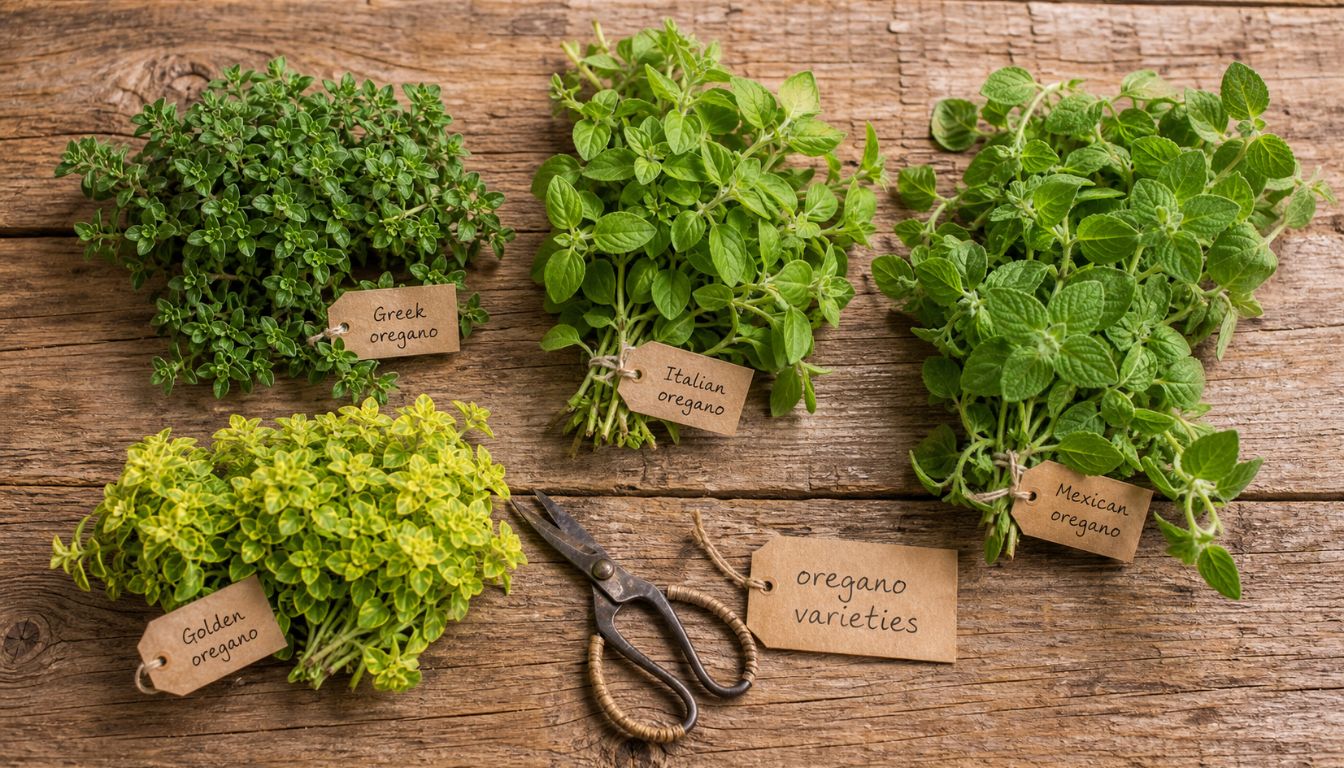
Oregano is one of the most widely used herbs in the world, and knowing the different types of oregano plants can help you choose the right variety for cooking, growing, or medicinal use. As a member of the mint family, oregano is recognized for its strong aroma and bold flavor, enhancing everything from soups and stews to pizzas and grilled meats.
The most popular varieties include Greek oregano, Italian oregano, Mexican oregano, and Syrian oregano. Each one has its own distinct flavor profile, growing requirements, and best uses in the kitchen. Some varieties are better suited for indoor growing, while others thrive in outdoor gardens, and certain types are far more resistant to pests and diseases than others.
Understanding Types of Oregano Plants
Before you choose a variety to grow or cook with, it helps to understand what all types of oregano plants have in common and how they differ at a basic botanical level.
Types of Oregano Plants: Botanical Profile
Oregano belongs to the mint family Lamiaceae and the Origanum genus, which encompasses around 40 types of oregano plants. The most widely recognized is Origanum vulgare, also known as wild marjoram. Oregano is a perennial herb, meaning it can survive for more than two years under the right conditions.
Native to the Mediterranean region, oregano thrives in hot, dry climates. Here are its key physical characteristics:
- Grows up to 2.5 feet (80 cm) tall, forming a small, bushy shape
- Leaves are oval-shaped, dark green, and slightly hairy
- Leaves grow in opposite pairs along square, woody stems
- Blooms in summer, producing small pink or purple flowers in clusters
Culinary and Medicinal Uses
Oregano is a staple in Italian, Greek, Mexican, and Middle Eastern cuisine. It has a warm, slightly bitter flavor that complements savory dishes, and is commonly used in tomato-based sauces, soups, stews, and grilled meats. It is also a key ingredient in za’atar, the spice blend central to Middle Eastern cooking.
Beyond the kitchen, oregano has a long history in traditional medicine. It contains compounds with antibacterial, antifungal, and antioxidant properties, and has been used for centuries to support respiratory health, aid digestion, and fight common infections like colds and flu.
Nutritional Profile of Oregano
As a culinary herb, oregano provides meaningful amounts of vitamin K, calcium, iron, fiber, and manganese even in small quantities. Its two key antioxidants, thymol and carvacrol, give dried oregano one of the highest antioxidant activity levels among common herbs and spices. Early research also suggests potential benefits for blood sugar regulation and mood support, though more human studies are needed.
Types of Oregano Plants
First, here is a quick overview of the most common types of oregano plants before we look at each one in more detail:
| Variety | Flavor | USDA Zones | Best Use |
|---|---|---|---|
| Common Oregano | Strong, pungent | 5–10 | Sauces, stews, grilled meats |
| Greek Oregano | Strong, spicy | 5–10 | Mediterranean dishes |
| Italian Oregano | Mild, slightly sweet | 6–9 | Pizza, pasta sauce |
| Golden Oregano | Mild | 5–9 | Ornamental, light cooking |
| Syrian Oregano | Strong, spicy | 8–10 | Middle Eastern cuisine |
| Mexican Oregano | Pungent, citrusy | 9–11 | Mexican, Latin American dishes |
| Cuban Oregano | Strong, pungent | 10–11 | Caribbean cuisine |
Which Oregano Should I Grow?
If you’re not sure where to start, use this quick guide:
- For classic Italian and Greek dishes: Choose Greek oregano or Italian oregano for pizzas, pasta sauces, salads, and grilled meats.
- For Mexican and Latin American cooking: Choose Mexican oregano for chili, tacos, salsas, and bean dishes – its citrusy flavor stands up well to bold spices.
- For Caribbean flavors: Choose Cuban oregano for stews, marinades, sofrito, and jerk seasoning.
- For a decorative herb bed: Choose Golden oregano if you want bright, ornamental foliage with a mild flavor for occasional culinary use.
- For a reliable all‑rounder: Choose common (wild) oregano if you want one hardy plant that works in most everyday recipes.
Types of Oregano Plants: Common Oregano (Origanum Vulgare)
Common oregano, also known as wild marjoram, is the most widely grown type. Native to the Mediterranean region and hardy in USDA zones 5 to 10, it has a strong, pungent flavor that works well in tomato sauces, soups, and grilled meats.
Greek Oregano (Origanum Vulgare subsp. Hirtum)
Greek oregano, known in Greece as rigani, is the variety most associated with Mediterranean cuisine. It has a strong, spicy flavor and is used in classic dishes like souvlaki, gyros, and moussaka. It is hardy in USDA zones 5 to 10.
Italian Oregano (Origanum x Majoricum)
Italian oregano is a hybrid of common oregano and sweet marjoram. It has a milder, slightly sweet flavor compared to common oregano, making it well suited for pizza and pasta sauces. It is hardy in USDA zones 6 to 9.
Golden Oregano (Origanum Vulgare ‘Aureum’)
Golden oregano is primarily an ornamental variety, prized for its bright yellow-green leaves. Its flavor is milder than common oregano, and it is most often used as a decorative plant in gardens and borders. It is hardy in USDA zones 5 to 9.
Syrian Oregano (Origanum Syriacum)
Syrian oregano, commonly called za’atar, is a staple of Middle Eastern cuisine. It has a strong, spicy flavor and cooks often use it in dishes like hummus, falafel, and tabbouleh. It is hardy in USDA zones 8 to 10.
Mexican Oregano (Lippia Graveolens)
Mexican oregano is a perennial shrub native to Mexico and the southwestern United States. Unlike the Origanum varieties, it belongs to the verbena family and has a stronger, more citrusy flavor. It is a staple in Mexican and Latin American cooking and is hardy in USDA zones 9 to 11.
Cuban Oregano (Plectranthus Amboinicus)
Cuban oregano, also known as Spanish thyme, is used across Caribbean and Latin American cuisine. It has a bold, pungent flavor and features in dishes like sofrito and jerk seasoning. It is a tender perennial, often grown as an annual in colder climates.
Oregano Plant Characteristics
Aroma and Flavor Profiles
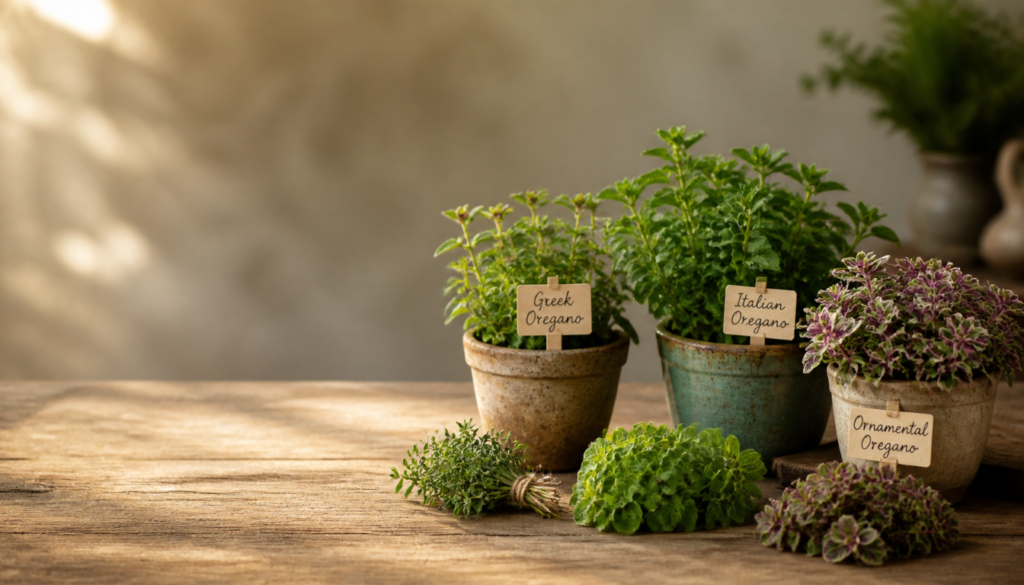
Oregano has a pungent, slightly bitter taste with a strong, earthy, and slightly minty aroma. The intensity varies by variety: Greek oregano is bold and spicy, while Italian oregano is noticeably milder and slightly sweet. Mexican oregano stands apart with a more citrusy, less minty profile.
Types of Oregano Plants: Physical Appearance
Oregano is a woody, evergreen perennial that grows up to 2 feet tall. Its leaves are oval-shaped, ranging from 0.4 to 1.6 inches (1 to 4 cm), and can be hairy or smooth depending on the variety. The stems are square and woody, a typical trait of the mint family.
Flowering and Foliage
Flowers bloom in summer and can be white, pink, or purple depending on the variety. Foliage also varies, most varieties have dark green leaves, while golden oregano has distinctive bright yellow-green leaves that add ornamental value to gardens.
Types of Oregano Plants: Cultivation and Care
To get the best from any type of oregano plant, you need to give it the right conditions from planting through to harvest.
Planting and Growth Requirements
Oregano thrives in full sun and well-drained soil and can be grown in containers indoors or outdoors. Space plants at least 8 to 10 inches apart to allow room for growth. Keep these key care points in mind:
- Watering: Requires moderate watering – avoid overwatering to prevent root rot
- Drought tolerance: Survives well in dry conditions once established
- Frost sensitivity: Not frost-tolerant and will not survive temperatures below 20°F
Propagation Methods
Oregano can be propagated through seed, cuttings, or division. Each method works well depending on what you have available:
- Seed: Plant in well-drained soil and keep moist until germination, which takes up to 14 days at temperatures above 70°F
- Cuttings: Cut a stem from a mature plant, place it in well-drained soil, and keep moist until it takes root
- Division: Divide the root ball of a mature plant and replant the sections in well-drained soil
Maintenance and Harvesting
Oregano requires minimal maintenance, but regular pruning keeps plants bushy and prevents legginess. Harvest throughout the growing season by cutting stems just above the leaf nodes. Use the leaves fresh straight away or dry them for later use.
Growing Oregano in Different Environments
You can grow different types of oregano plants successfully in gardens, containers, or on a sunny windowsill, as long as you match their needs to your climate and growing space.
Types of Oregano Plants: Outdoor Gardening
Oregano grows best outdoors in full sun with well‑drained, fairly poor soil, and it dislikes sitting in waterlogged ground. Aim for at least 6–8 hours of direct sunlight per day and plant after the last frost once soil temperatures are around 60–70°F. Space plants 12 inches apart in rows, or 12–18 inches if you want them to spread and form a low groundcover.
Water new plants regularly until established, then water deeply but infrequently, letting the top inch of soil dry out between waterings to avoid root rot. In colder climates, mulch the base in winter or grow in containers that can be moved to shelter, as oregano struggles with cold, wet soil rather than dry cold alone.
Indoor and Container Gardening
Oregano does very well in containers as long as drainage is excellent and the potting mix is light and free‑draining. Choose a container with drainage holes, at least 6 inches wide for a single plant, and use a gritty mix or potting soil amended with sand or perlite. Place the pot in a bright, sunny spot with at least 6 hours of direct light, or supplement with grow lights if you are growing indoors year‑round.
Water when the top 1–2 inches of soil feel dry, allowing the mix to dry slightly between waterings so the roots never sit in soggy compost. Regular harvesting or light trimming helps keep container plants compact and productive on a windowsill or balcony.
Regional Considerations
Oregano is native to Mediterranean climates and generally thrives in warm, sunny regions with relatively low humidity. It is hardy in roughly USDA zones 5–10 depending on the variety, though some forms like Mexican oregano prefer warmer zones and may be grown as annuals in colder areas. For example, in hot climates, a little afternoon shade can prevent stress, while in cool or very wet regions, raised beds or containers are often the best option to ensure good drainage and winter survival.
Types of Oregano Plants: Cooking With Oregano
How you use the different types of oregano plants in the kitchen depends on whether you cook with them fresh, dried, or as an extract.
Fresh vs dried oregano
Fresh oregano has a more delicate, green flavor, so it’s best added near the end of cooking to preserve its aroma. Dried oregano is more concentrated and holds up better during longer cooking times, making it ideal for sauces, stews, and slow‑cooked dishes. For instance, as a rough guide, 1 teaspoon of dried oregano is equivalent to about 1 tablespoon of fresh leaves. Oregano naturally pairs with tomato‑based dishes, grilled meats, pizza, pasta sauces, and Mediterranean vegetables.
Oregano extract as a preservative
Food manufacturers also use oregano extract as a natural preservative, thanks to its high antioxidant and antimicrobial content. These properties help slow spoilage and can extend the shelf life of meat, dairy, and baked products.
Before You Go – Types of Oregano Plants
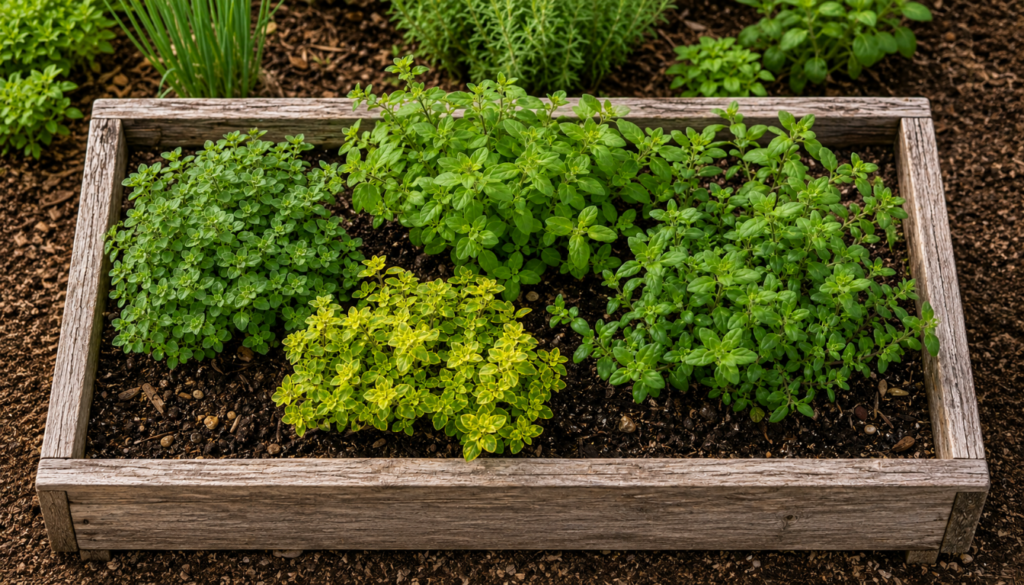
The different types of oregano plants each bring their own flavor, growth habits, and best uses, whether you are cooking, blending teas, or planning a herb garden. Greek and Italian oregano shine in Mediterranean dishes, while Mexican and Cuban oregano lend bolder, citrusy notes to Latin and Caribbean recipes.
By choosing the right variety for your climate and kitchen, you get better flavor in your food and healthier, longer‑lasting plants in the garden. If you want to dive deeper into herbal uses, pair what you learn about each oregano type here with the broader herbal knowledge available on theherbprof.com.
References – Types of Oregano Plants
Little Herb Encyclopedia, by Jack Ritchason; N.D., Woodland Publishing Incorporated, 1995
The Ultimate Healing System, Course Manual, Copyright 1985, Don Lepore
Planetary Herbology, Michael Tierra, C.A., N.D., Lotus Press, 1988
Handbook of Medicinal Herbs, by James A. Duke, Pub. CRP Second Edition 2007
The Complete Medicinal Herbal, by Penelope Ody, Published by Dorling Kindersley
Related Articles
How to Dry Luffa? A Step-by-Step Guide
Does Dill Weed Go Bad? A Guide to Shelf Life and Storage
Is Onion a Vegetable? The Definitive Answer
Frequently Asked Questions – Types of Oregano Plants
What are the different varieties of oregano suitable for culinary use?
Common culinary varieties include Greek oregano, Italian oregano, Syrian oregano, Mexican oregano, and Cuban oregano. Each brings a slightly different flavor profile, from spicy and pungent to mild or citrusy.
How can I identify different oregano species?
You can distinguish oregano types by leaf shape and size, aroma, and flavor. Greek and Italian oregano have smaller, minty, herbal leaves, while Mexican and Cuban oregano often have larger leaves and a brighter, more citrusy scent.
Which oregano variety is most effective for herbal remedies?
Most medicinal research and traditional use focus on Origanum vulgare (common/Greek oregano) and Mexican oregano (Lippia graveolens), both rich in compounds with antioxidant and antimicrobial activity. Always consult a qualified practitioner before using any oregano preparation therapeutically.
Can you provide a comparison between Greek, Italian, and Mexican oregano?
Greek oregano is earthy, pungent, and peppery, ideal for classic Mediterranean dishes. Italian oregano is milder and slightly floral, good for everyday pizza and pasta sauces. Mexican oregano is stronger and more citrusy, best for chili, salsas, and Latin American cooking rather than Italian recipes.
Are there any types of oregano that should not be consumed?
Ornamental oregano cultivars bred mainly for looks can be bland or unsuitable for regular culinary use and may not be tested as food plants. Stick to known culinary or medicinal varieties from reputable sources if you plan to eat or brew them.
Where can I find images to help distinguish between oregano varieties?
High‑quality images are available on reputable gardening and plant‑ID websites, as well as herb and extension service pages. Compare multiple sources so you are not relying on a single mislabelled photo.