
The Herb Prof Team researches and writes our herbal guides, drawing on published research, traditional herbal references, and hands-on growing experience.
Herbalism is one of the oldest healing practices in the world, but if you are considering it as a career, you probably want to know how much herbalists make. The short answer is that herbalist salaries vary widely, from part-time income for those just starting out to a comfortable full-time living for experienced practitioners with a strong client base or specialist niche.
In the United States, the average annual salary for a herbalist sits at around $62,000, but the range is broad. Your income as a herbalist will depend on factors including your level of training, the area you specialise in, where you are based, and whether you work for an employer or run your own practice. This article breaks down everything you need to know.
How Much Do Herbalists Make on Average?
According to Salary.com, the average annual salary for a herbalist in the United States is $62,196 as of 2025. Most professionals earn between $51,373 and $76,766, though the full range stretches from $41,519 to $90,030 depending on experience, location, and qualifications.
These figures reflect employed herbalists working in clinical, retail, or educational settings. Self-employed herbalists and those running their own practice may earn more or less than this range, depending on their client base, the services they offer, and how established their business is.
It is worth noting that herbalism is not a heavily regulated profession in the United States, which means there is no standardised pay scale. Income in this field is closely tied to individual effort, reputation, and the ability to build a loyal client base over time.
Factors That Affect Herbalist Pay
Several factors influence how much a herbalist earns. Understanding these can help you make informed decisions about your training, specialisation, and career path.
How Much Do Herbalists Make: Experience
As with most professions, experienced herbalists earn significantly more than those just starting out. A herbalist with ten or more years of practice and an established client base can expect to earn toward the higher end of the salary range.
Location
States with larger populations and a stronger interest in natural health tend to offer more opportunities and higher pay. California, New York, Texas, and North Carolina consistently show higher demand for herbalists compared to rural or less populated states.
Education and Certification
Herbalists with formal qualifications or recognised certifications, such as those offered by the American Herbalists Guild, tend to earn more than those without. Certification signals credibility to clients and employers alike.
Specialisation
Herbalists can also work as writers, creating content related to herbal medicine. This can include writing articles for magazines or blogs, creating social media content, or writing books on the subject.
Employment Type
Self-employed herbalists have higher earning potential than employed ones but also carry more financial risk. Those working for clinics, wellness centres, or herbal product companies have more stable but typically lower incomes.
How Much Do Herbalists Make by Specialisation
The area you specialise in has a direct impact on your earning potential. Here is how common herbalist specialisations compare:
| Specialisation | Typical Annual Salary | Notes |
|---|---|---|
| Master Herbalist | $70,000 – $90,000 | Highest earning potential; advanced training required |
| Clinical Herbalist | $55,000 – $75,000 | Works directly with clients; often in private practice |
| Certified Herbalist | $50,000 – $70,000 | Recognised certification boosts credibility and pay |
| Acupuncture and Oriental Medicine | $65,000 – $85,000 | Combined practice commands premium rates |
| Herbal Product Development | $55,000 – $75,000 | Works for manufacturers or runs own product line |
| Herbal Educator | $45,000 – $65,000 | Teaching, writing, or creating educational content |
| Herb Farmer or Wildcrafter | $35,000 – $55,000 | Income varies greatly with scale and market access |
Master herbalists consistently earn the most, largely because their advanced training allows them to take on complex cases and charge premium consultation fees. Herbalists who combine their practice with acupuncture or Oriental medicine also command higher rates due to the dual qualification.
How Much Do Herbalists Make: Career Paths and Earning Potential
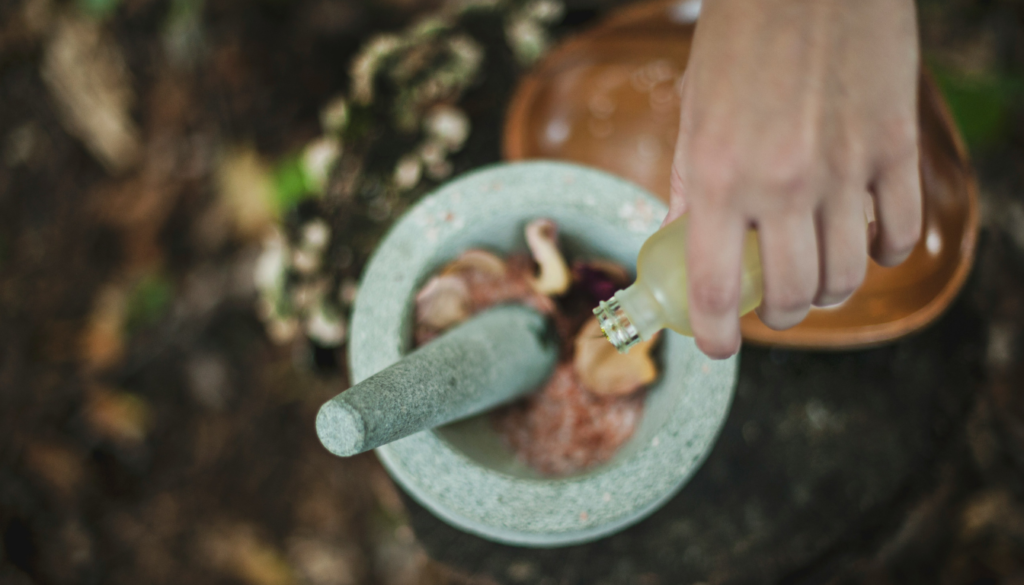
Herbalism offers a surprisingly wide range of career options. Your earning potential will vary depending on which path you choose.
Clinical Practice
Clinical herbalists work directly with clients to create personalised herbal treatment plans. They may work in private practice, wellness centres, or integrative health clinics. This is one of the most direct routes to a stable herbalist income and suits those with strong communication and diagnostic skills.
Herbal Product Making
Some herbalists build income by creating and selling herbal products such as tinctures, teas, salves, and supplements. This path can be highly profitable at scale but requires business skills alongside herbal knowledge.
How Much Do Herbalists Make: Education and Writing
Herbalists with strong communication skills can earn income through teaching, writing books, running online courses, or creating blog and social media content. This path often starts as a secondary income stream before growing into a full-time career.
Retail and Sales
Working in health food stores, at farmers markets, or in herbal product sales is a common entry point for new herbalists. Pay tends to be lower but the role provides valuable client-facing experience.
Research and Science
Herbalists with a background in science can pursue roles in clinical research, product analysis, or herbal pharmacology. These positions typically require additional qualifications but offer some of the most stable and well-paid roles in the field.
Herb Farming and Wildcrafting
Growing or harvesting herbs for sale to manufacturers, practitioners, or direct consumers is a viable career path, particularly for those with land and an interest in agriculture. Income varies widely depending on scale and market access.
How to Increase Your Earning Potential?
If you are already working as a herbalist or planning to start, there are several practical steps you can take to increase your income over time.
Get Certified
Certification from a recognised body such as the American Herbalists Guild demonstrates expertise and builds client trust. Certified herbalists consistently earn more than uncertified practitioners and have access to a wider range of employment opportunities.
Find a Niche
Specialising in a specific area of health gives you a competitive advantage. Herbalists who focus on women’s health, digestive health, mental wellness, or sports recovery can position themselves as experts and charge accordingly. A clear niche also makes marketing significantly easier.
Go Self-Employed
Running your own practice gives you full control over your rates and client base. While it carries more financial risk than employment, self-employed herbalists with an established reputation consistently out-earn their employed counterparts.
How Much Do Herbalists Make: Complementary Skills
Combining herbalism with related disciplines such as nutrition, acupuncture, naturopathy, or aromatherapy broadens your service offering and justifies higher fees. Many of the highest-earning practitioners in natural health work across more than one discipline.
Build an Online Presence
An active blog, social media following, or online course can generate passive income alongside your core practice. Many herbalists have built significant additional revenue streams through digital content, particularly on platforms where natural health content performs well.
Choose Your Location Strategically
If you have flexibility over where you practice, states with higher demand for natural health services such as California, New York, and North Carolina offer better earning conditions than less populated areas.
How to Become a Herbalist?
There is no single mandatory path to becoming a herbalist in the United States, but most successful practitioners follow a combination of formal education, practical training, and certification.
How Much Do Herbalists: Formal Education
Some herbalists hold a degree in a related field such as botany, nutrition, or naturopathic medicine. While a degree is not strictly required, it provides a strong scientific foundation and can open doors to research or clinical roles.
Herbal Training Programmes
Dedicated herbalism programmes are available at institutions such as the Chestnut School of Herbal Medicine and the Herbal Academy. These range from beginner courses to comprehensive professional programmes and can be completed online or in person.
Training Hours
The American Herbalists Guild recommends a minimum of 500 hours of training for professional practice. This typically includes coursework in plant identification, herbal pharmacology, anatomy, physiology, and client consultation skills.
Certification
The American Herbalists Guild offers the most widely recognised professional certification for herbalists in the United States. The National Institute of Medical Herbalists offers an equivalent for those practising in the UK. Certification requires documented training hours, clinical experience, and passing an assessment.
Ongoing Learning
Herbalism is a constantly evolving field. Most professional herbalists continue their education through workshops, conferences, and self-study throughout their careers. Staying current with research and new developments in plant medicine is essential for long-term credibility and success.
Resources for Budding Herbalists
If you are just starting out in herbalism, there are plenty of reliable resources to help you build your knowledge and find your path.
Professional Organisations
- American Herbalists Guild (AHG) – the leading professional body for herbalists in the US, offering certification programmes, job listings, networking opportunities, and educational resources at americanherbalistsguild.com
- National Institute of Medical Herbalists (NIMH) – the UK equivalent, useful for those based in or interested in British herbal medicine traditions
Education Providers
- The Herbal Academy – offers beginner through to professional level online courses in herbalism at theherbalacademy.com
- Chestnut School of Herbal Medicine – comprehensive online herbalism programmes with a strong community focus at chestnutherbs.com
How Much Do Herbalists Make: Free Resources
- The Herbal Academy Blog – articles covering a wide range of herbalism topics, ideal for beginners
- Mountain Rose Herbs Blog – practical guides, herbal profiles, and recipes
- The Herbalist’s Free Library – a collection of free eBooks on medicinal plants and herbal remedies
Job Search Resources
- ZipRecruiter – search for herbalist roles by location across the US
- AHG Job Board – listings specifically for herbalism professionals
- Local herbalist groups – connect with practitioners in your area through health food stores or natural health centres
Before You Go – How Much Do Herbalists Make

Herbalism is a genuinely rewarding career for those who are passionate about plants and natural health. The income potential is real, but it takes time to build. Most successful herbalists combine formal training with certification, a clear specialisation, and consistent effort to grow their client base or business over time.
If you are just starting out, focus on getting qualified, finding your niche, and connecting with the herbalist community through organisations like the American Herbalists Guild. The resources are there, and the demand for qualified natural health practitioners continues to grow.
We hope this guide on how much herbalists make has given you a clear and honest picture of what to expect from a career in herbalism.
Enjoyed this article? Add theherbprof.com to your favourites and stay up to date with the latest herbal health guides and supplement reviews!
References – How Much Do Herbalists Make
Bureau of Labor Statistics – Healthcare Practitioners
Related Article
Herbal Remedies Handbook: The Ultimate Guide to Healing
Frequently Asked Questions – How Much Do Herbalists Make
What is the average salary for a herbalist in the United States?
The average annual salary for a herbalist in the United States is around $62,196 according to Salary.com. Most professionals earn between $51,373 and $76,766, with the full range stretching from $41,519 to $90,030 depending on experience, location, and qualifications.
Can you pursue a career as a herbalist without a medical degree?
Yes. A medical degree is not required to become a herbalist. However, completing a recognised training programme and obtaining certification from a body such as the American Herbalists Guild is strongly recommended for credibility and client trust.
How many hours of training are required to become a certified herbalist?
The American Herbalists Guild recommends a minimum of 500 hours of training for professional practice. This includes coursework in plant identification, herbal pharmacology, anatomy, physiology, and clinical consultation skills.
Does certification increase earning potential?
Yes. Certified herbalists consistently earn more than uncertified practitioners. Certification demonstrates a higher level of expertise, builds client trust, and opens access to more employment opportunities.
What is the difference between a certified herbalist and a master herbalist?
A certified herbalist has completed a recognised training programme and passed an assessment. A master herbalist has completed advanced training beyond certification level and typically has significant clinical experience. Master herbalists command the highest salaries in the field.
Which states have the highest demand for herbalists?
California, New York, Texas, and North Carolina consistently show the highest demand for herbalists due to their large populations and strong interest in natural and integrative health.
What are the most common work settings for herbalists?
Herbalists work in a variety of settings including private practice, wellness centres, integrative health clinics, health food stores, herbal product companies, and educational institutions. Some herbalists also work independently as writers, educators, or consultants.