
The Herb Prof Team researches and writes our herbal guides, drawing on published research, traditional herbal references, and hands-on growing experience.
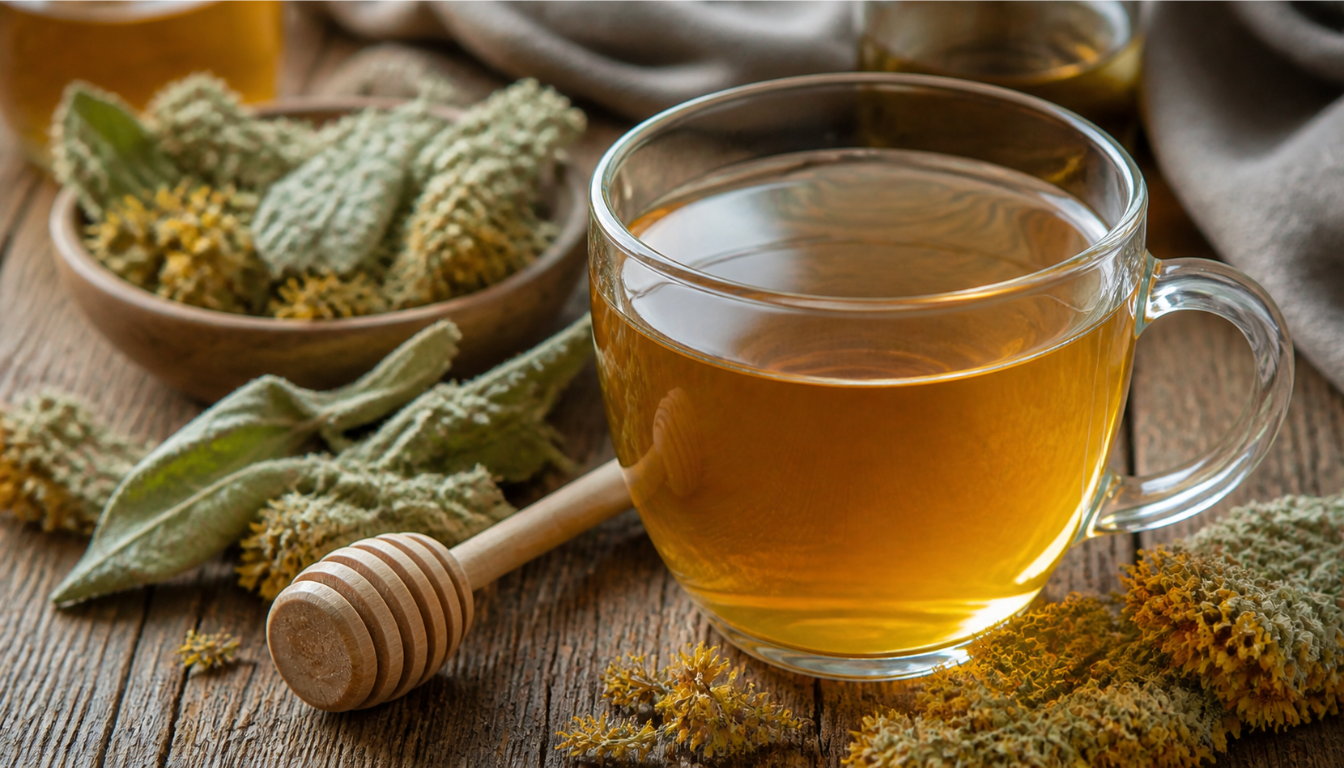
Mullein tea is a popular herbal remedy that people have consumed for centuries to help with respiratory issues such as coughs, colds, and bronchitis. Herbalists make it from the leaves, flowers, and roots of the mullein plant, which originates in Europe and Asia but is also found in North America. So, what does mullein tea actually taste like?
The taste of mullein tea can vary depending on how it is prepared and what part of the plant is used. Some people describe it as having a slightly sweet and earthy taste, while others find it to be bitter and unpleasant. The addition of other herbs or sweeteners such as honey or lemon can also shape the overall taste.
Despite its unique taste, mullein tea is a popular choice for those seeking a natural remedy for respiratory issues. Its soothing properties can help to clear mucus from the lungs and throat, making it easier to breathe and reducing coughing. While the taste may not be for everyone, mullein tea is certainly worth trying if you are looking for a natural way to support respiratory health.
Mullein Tea Profile
Understanding what mullein tea tastes like starts with knowing the plant itself and how it has been used historically.
Origin and History
The mullein plant originates in Europe and Asia but now grows naturally across North America and other parts of the world. The plant has a long history of medicinal use, dating back to ancient times. The Greeks and Romans used mullein to treat respiratory problems, while Native Americans used it to make poultices for wounds and burns.
Botanical Characteristics
The mullein plant is a biennial herb that can grow up to six feet tall. It has large, fuzzy leaves that are light green and covered with fine hairs. The plant produces tall spikes of yellow flowers that bloom in mid-summer. The flowers are small but numerous, densely arranged on the spike.
Herbalists make mullein tea from the leaves and flowers of the plant. Harvesters collect the leaves in the first year and the flowers in the second. You dry both and steep them in hot water to make the tea.
Brewing Mullein Tea
Brewing mullein tea correctly makes a significant difference to both its flavour and its effectiveness.
Basic Recipe
To make mullein tea, you will need dried mullein leaves or flowers. You can purchase these from a health food store or online. If you have fresh mullein, dry the leaves and flowers by hanging them upside down in a cool, dry place for a few days.
To make the tea, boil water and let it cool for a few minutes so that it is no longer at a full boil. Place 1–2 teaspoons of dried mullein leaves or flowers in a tea strainer or tea bag and place it in a cup. Pour the hot water over the tea and let it steep for 10–15 minutes. Remove the strainer or bag and enjoy.
Flavor Enhancements
Mullein tea has a mild, slightly sweet taste on its own, but you can enhance the flavour with a few simple additions:
- Add a teaspoon of honey or sugar to sweeten the tea.
- Squeeze a lemon wedge into the tea for a tangy flavour.
- Add a cinnamon stick to the tea while it steeps for a warm and spicy note.
If you want to strain the tea more thoroughly, pour it through cheesecloth to remove any leftover bits of leaves or flowers. Store any leftover mullein tea in an airtight container in the refrigerator for up to three days.
Taste and Aroma

The sensory experience of mullein tea is one of the reasons it remains a popular herbal choice despite its medicinal reputation.
Mullein tea is known for its mild and earthy taste. The flavour is subtle and soothing, making it a pleasant beverage to enjoy. The taste varies depending on the part of the plant used and the brewing method. The leaves and flowers produce a mild and slightly sweet flavour, while using roots or seeds may produce a more bitter taste. Brewing for an extended period will also intensify the flavour.
Mullein tea has a unique aroma that is earthy and slightly sweet. The aroma is soothing, making it a popular choice for relaxation and stress relief. Mullein tea also contains mucilage, a sticky substance that adds a slightly thick and smooth texture to the tea and contributes a gentle sweetness to the overall flavour profile.
Health Benefits and Uses
Mullein tea has been studied and used for a wide range of health conditions, with respiratory support being the most well-documented.
Respiratory Support
Mullein tea is often used as a natural remedy for respiratory issues. The tea is believed to help soothe the respiratory tract and reduce inflammation, making it useful for conditions such as bronchitis, asthma, and other respiratory ailments. Its ability to help clear mucus from the lungs and airway can also provide relief from congestion and coughing.
Anti-Inflammatory and Analgesic Effects
Mullein tea is also known for its anti-inflammatory properties, which can help reduce pain and inflammation in the body. This makes it a popular remedy for conditions such as arthritis and joint pain. The tea’s analgesic effects can also help provide relief from discomfort associated with various conditions.
Antibacterial and Antiviral Properties
Mullein tea is believed to have antibacterial and antiviral properties, which can help fight off infections caused by bacteria and viruses. Studies have shown that the tea may be effective against a variety of bacteria, including Streptococcus pyogenes and Bacillus cereus, as well as the influenza virus.
Additional Therapeutic Uses
In addition to its respiratory and anti-inflammatory properties, mullein tea has a variety of other therapeutic uses. The tea’s ability to soothe skin irritation makes it a popular remedy for skin issues. It is also believed to be helpful for breastfeeding mothers, as it may help promote milk production. Mullein tea is also known for its mild sedative properties, which can help promote relaxation and improve sleep.
Preparation Varieties
How you prepare mullein tea affects both its taste and potency.
Tea Bags vs Loose Leaves
One of the easiest ways to prepare mullein tea is by using tea bags, which are readily available in most health food stores and online retailers. They are convenient and eliminate the need for measuring. However, tea bags often contain smaller, lower-quality pieces of dried mullein, which can affect the taste and potency of the final brew.
Using loose leaves provides a better quality tea. Loose leaves allow the water to extract more of the beneficial compounds from the plant. They also allow you to control the amount of mullein you use, resulting in a more consistent and flavourful tea.
Herbal Blends and Combinations
Mullein tea can be combined with other herbs to create a unique and flavourful herbal remedy. Popular herbs to blend with mullein include peppermint, chamomile, and ginger, which not only add flavour but also provide additional health benefits. When blending, start with small amounts of each herb and adjust the ratio to your liking, too much of one herb can overpower the others.
Potential Side Effects and Precautions
Mullein tea is generally well-tolerated, but there are a few important considerations before adding it to your routine.
While mullein tea is generally considered safe for most people, there are a few side effects to be aware of. The most common is skin irritation, particularly for those with allergies to related plants such as ragweed, marigolds, or daisies. If you notice redness, itching, or swelling after consuming mullein tea, stop use and consult a healthcare professional.
Mullein tea may also interact with certain medications, including blood thinners and diuretics. Always speak to your doctor before adding it to your routine if you are on prescription medication. Additionally, mullein tea should not replace medical treatment for severe or persistent respiratory symptoms, if your cough is serious or prolonged, seek professional advice.
Purchasing and Storage
Sourcing and storing mullein tea correctly ensures you get the full benefit of the plant’s active compounds.
Where to Buy
Mullein tea can be purchased online or at health food stores. When buying mullein tea, it is important to ensure it is made from high-quality organic leaves and sourced from reputable sellers that offer certified organic products. Mullein is also available in other forms such as mullein oil, capsules, and tinctures, if you prefer these forms, make sure to purchase from reliable sources.
Storage Tips
To maintain the freshness and potency of mullein tea, store it in an airtight container away from direct sunlight and moisture. Keep it away from strong-smelling herbs and spices, as it can absorb their odour. Always check the expiration date and use the tea before it expires to ensure its effectiveness.
Culinary and Other Uses
Mullein tea has a mild and slightly sweet flavour with floral and earthy undertones, making it versatile beyond herbal wellness. You can use it as a base for culinary creations such as soups and stews, as a natural sweetener in desserts, or as a flavourful addition to savoury dishes like roasted vegetables. In addition to its culinary uses, mullein tea is believed to help relieve colds and coughs, soothe sore muscles and joints, and reduce inflammation throughout the body.
Before You Go – What Does Mullein Tea Taste Like?
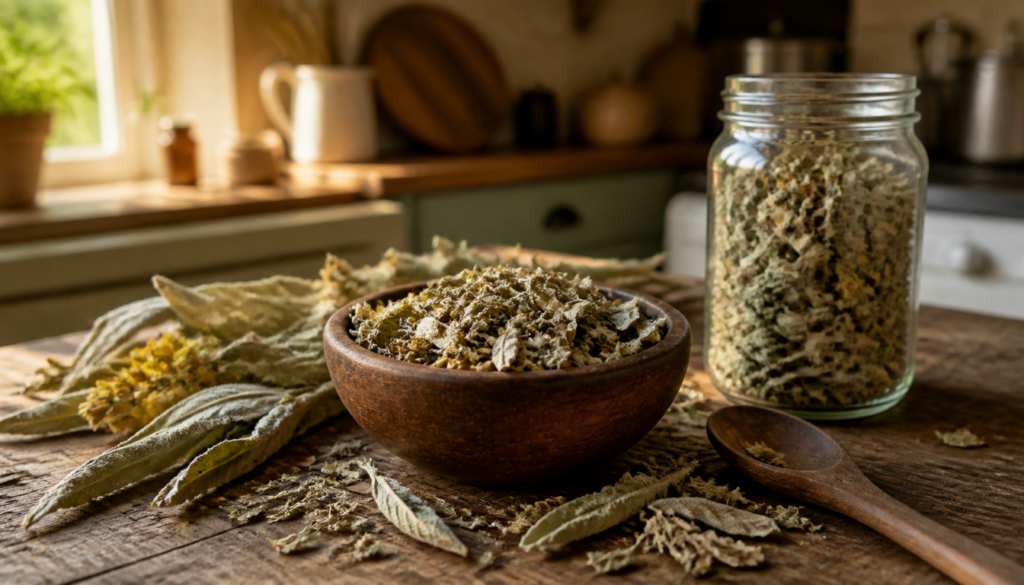
Mullein tea is mild, earthy, and gently sweet, a flavour that is easy to enjoy and even easier to customise with honey, lemon, or complementary herbs. Whether you are drawn to it for its respiratory benefits or simply want to explore a new herbal tea, it is well worth adding to your routine.
Don’t forget to add theherbprof.com to your favourites so you don’t miss out on future articles.
Please note: This article is for general educational purposes only and is not a substitute for personalised medical advice. Always consult a healthcare provider if you have a diagnosed health condition.
References – What Does Mullein Tea Taste Like?
Little Herb Encyclopedia, by Jack Ritchason; N.D., Woodland Publishing Incorporated, 1995
The Ultimate Healing System, Course Manual, Copyright 1985, Don Lepore
Planetary Herbology, Michael Tierra, C.A., N.D., Lotus Press, 1988
Handbook of Medicinal Herbs, by James A. Duke, Pub. CRP Second Edition 2007
The Complete Medicinal Herbal, by Penelope Ody, Published by Dorling Kindersley
Related Articles
Mullein Tincture Recipe: How To Make It At Home
Mullein vs Plantain: Pick the Best Herb for Lung Health
Pearl Drops Review: The Teeth Whitening Toothpaste
Poke Root Tincture: Benefits and Uses
Frequently Asked Questions – What Does Mullein Tea Taste Like?
What are the flavor notes of mullein tea?
Mullein tea has a mild, slightly sweet flavour with a hint of bitterness. The taste may vary slightly depending on the quality of the leaves used and the steeping time.
Can drinking mullein tea have a laxative effect?
Mullein tea is not known to have a laxative effect. However, excessive consumption may cause stomach upset, diarrhoea, and other gastrointestinal problems. It is always recommended to consume mullein tea in moderation.
Is there any caffeine present in mullein tea?
Mullein tea is naturally caffeine-free, making it a great alternative to traditional teas that contain caffeine.
What benefits can one expect from consuming mullein tea?
Mullein tea is known for its expectorant properties, which can help clear the lungs and relieve respiratory problems such as coughs, bronchitis, and asthma. It may also have anti-inflammatory, analgesic, and antiviral properties.
Who should avoid consuming mullein tea?
Mullein tea is generally safe for most people. However, pregnant or breastfeeding women, children, and individuals with allergies to the plant should avoid consuming mullein tea. Always consult a healthcare professional before adding any new herbal tea to your diet.
How do you properly prepare mullein tea?
Steep one teaspoon of dried mullein leaves in a cup of hot water for 10–15 minutes. Strain the tea and add honey or lemon to taste. Mullein tea should not be consumed in large quantities or for prolonged periods without consulting a healthcare professional.