
The Herb Prof Team researches and writes our herbal guides, drawing on published research, traditional herbal references, and hands-on growing experience.
Potatoes are a beloved vegetable found in many dishes around the world. But have you ever wondered how potatoes grow in the ground? As someone who has grown potatoes in my own garden, I can tell you the process is fascinating and surprisingly simple.
To start, you need to plant seed potatoes, which are small potatoes that have been specifically grown for planting. You can buy them at a garden center or online. Planting potatoes is best done in the spring, after the soil has warmed up.
You’ll want to choose a spot in your garden that gets plenty of sunlight and has well-draining soil. Once you’ve chosen your spot, dig a trench about 6 inches deep and place the seed potatoes about 12 inches apart with the sprouts facing up.
Cover the potatoes with about 4 inches of soil and water thoroughly. As the potatoes grow, you’ll need to “hill” them by mounding soil around the base of the plants. This helps to protect the developing tubers from sunlight, which can turn them green and make them inedible. With a little bit of care and attention, you’ll soon have a bountiful crop of delicious potatoes to enjoy!
Understanding Potato Biology
I have always been fascinated by the process of how potatoes grow in the ground. After doing some research, I found out that the process is quite interesting and complex. In this section, I will share what I have learned about the biology of potato plants.
The Anatomy of a Potato Plant
Potatoes are members of the Solanaceae family, which also includes tomatoes, peppers, and eggplants. The scientific name for the potato is Solanum tuberosum.
The potato plant has a unique structure that allows it to grow underground. The plant has two parts: the above-ground foliage and the underground tubers.
The foliage consists of stems, leaves, and flowers. The stems can grow up to 100 cm (40 inches) tall. The leaves are compound, meaning they have multiple leaflets attached to a single stem. The flowers are white, pink, or purple in color and are produced in clusters.
The underground tubers are the part of the plant that we eat. They are thickened, underground stems that store the plant’s nutrients. The tubers can vary in size, shape, and color depending on the variety of potato.
Varieties of Potatoes
There are many varieties of potatoes, each with its own unique characteristics. Some of the most common varieties include russet, yellow, white, red, blue, waxy, mealy, fingerling potatoes, and new potatoes.
Russet potatoes are large, brown-skinned potatoes with a high starch content. They are commonly used for baking and frying.
Yellow potatoes have a creamy texture and a slightly sweet flavor. They are great for boiling, mashing, and roasting. White potatoes have a thin, light-colored skin and a firm texture. They are versatile and can be used for boiling, frying, and baking. Red potatoes have a thin, red skin and a creamy texture. They are great for boiling and roasting.
Blue potatoes have a blue or purple skin and a slightly sweet flavor. They are great for roasting and frying. Waxy potatoes have a firm texture and hold their shape well when cooked. They are great for boiling and making potato salads. Mealy potatoes have a dry, fluffy texture and are great for baking and frying. Fingerling potatoes are small, thin potatoes with a waxy texture. They are great for roasting and grilling.
New potatoes are young potatoes that are harvested before they are fully mature. They have a thin skin and a delicate flavor.
Preparation for Planting – How Do Potatoes Grow in the Ground?
Before planting potatoes, it is important to prepare the soil and the seed potatoes properly. In this section, I will cover the essential steps needed for the preparation process, including selecting seed potatoes, soil requirements, and the chitting process.
Selecting Seed Potatoes
Choosing the right seed potatoes ensures a successful potato crop. Use certified, disease-free seed potatoes to prevent the spread of pests and diseases. Select firm potatoes with no signs of rot or disease. Avoid potatoes treated with sprout inhibitors.
Soil Requirements
Potatoes grow best in loose, well-drained soil with a pH between 5.0 and 6.0. Test the soil’s pH level before planting to make sure it isn’t too acidic. If you find the soil too acidic, amend it by adding lime or wood ash. You can also add compost to improve the soil’s structure and supply essential nutrients for the potato plants.
Chitting Process
Chitting is the process of allowing seed potatoes to sprout before planting. This can help the potatoes grow faster and produce a higher yield. To chit potatoes, place them in a cool, dry, and well-lit area for a few weeks. Make sure to keep the potatoes spaced apart to prevent them from rotting.
Planting Techniques – How Do Potatoes Grow in the Ground?
When to Plant
Potatoes are a cool-season vegetable that grows best in soil temperatures ranging from 60°F (15.6°C) to 70°F (21.1°C). It is important to plant potatoes when the soil has warmed up enough and the risk of frost has passed. In most regions, this means planting in early spring, around March or April.
Planting Depth and Spacing
When planting potatoes, it is important to plant them at the right depth and spacing. The general rule of thumb is to plant seed potatoes 4 inches deep and 12 inches apart, in rows spaced 2 to 3 feet apart. This spacing allows enough room for the potato plants to grow and develop without crowding each other.
Hilling Method
The hilling method is a technique used to grow potatoes in trenches or mounds. To use this method, dig a trench or mound about 6 inches deep and 12 inches wide. Place the seed potatoes in the trench or on top of the mound, spacing them 12 inches apart. Cover the seed potatoes with 2 to 3 inches of soil.
As the potato plants grow, continue to add soil to the trench or mound, covering the stems and leaves, leaving only the top few inches exposed. This process is known as hilling, and it helps to protect the developing potatoes from sunlight, which can turn them green and make them toxic.
Potato Growth Cycle – How Do Potatoes Grow in the Ground?
As a potato plant grows, it goes through four main stages: sprouting and development, vegetative growth, tuber initiation, and tuber bulking. Understanding the potato growth cycle is essential for a successful harvest.
Sprouting and Development
The first stage of the potato growth cycle is sprouting and development. During this stage, the seed potato begins to develop shoots that will grow into the potato plant. The sprouts emerge from the “eyes” of the potato and grow towards the surface of the soil. Also, the potato plant needs sunlight, water, and nutrients to grow.
The amount of sunlight the plant receives is crucial for the development of the shoots. Lack of sunlight can lead to weak and spindly shoots that are susceptible to disease.
Water is also essential for the growth of the potato plant. The plant needs a consistent supply of moisture to develop strong roots and shoots. Overwatering can lead to waterlogged soil, which can suffocate the roots and cause the plant to die.
Factors Influencing Growth
Several factors can influence the growth of a potato plant.
Temperature is one of the most important factors. The ideal temperature for potato growth is between 60 and 70 degrees Fahrenheit. Temperatures above 80 degrees Fahrenheit can cause the plant to stop growing, while temperatures below 50 degrees Fahrenheit can damage the plant.
Nutrients are also essential for potato growth. The plant needs a steady supply of nutrients to develop strong roots, shoots, and tubers. Nitrogen, phosphorus, and potassium are the primary nutrients that the plant needs. A lack of nutrients can lead to stunted growth and a smaller harvest.
Potato Care and Maintenance – How Do Potatoes Grow in the Ground?
Growing potatoes in the ground requires proper care and maintenance to ensure healthy growth and a bountiful harvest. I will cover some essential potato care practices below.
Watering Practices
Potatoes require consistent watering throughout the growing season.
The soil should be kept moist but not waterlogged. Overwatering can lead to disease and rot, while underwatering can stunt growth and reduce yield. One effective watering practice is to water deeply once a week, providing about 1-2 inches of water.
This encourages the roots to grow deep and helps the plants withstand drought conditions. Mulching around the plants can also help retain moisture in the soil.
Dealing with Pests and Diseases
Keeping your potato plants disease-free and pest-free is crucial for a successful harvest.
Common potato pests include aphids and potato beetles. These pests can be controlled by handpicking them off the plants or by using insecticidal soap. Potatoes are also susceptible to fungal diseases such as blight and late blight. These diseases can cause foliage to wilt and turn brown.
To prevent these diseases, avoid planting potatoes in the same spot for consecutive years, and practice crop rotation. If you notice any signs of disease, remove affected plants immediately to prevent the spread.
Nutrition and Fertilization
Potatoes require proper nutrition to grow healthy and produce a good yield. One way to provide nutrition is by using fish emulsion, which is a natural fertilizer that provides essential nutrients to the plants. You can also amend the soil with compost or aged manure before planting to improve soil fertility.
Avoid over-fertilizing because it causes excessive foliage growth and reduces tuber production. Apply a balanced fertilizer with an N-P-K ratio of 5-10-10 at planting time and again when the plants begin to flower.
Harvesting and Storage – How Do Potatoes Grow in the Ground?
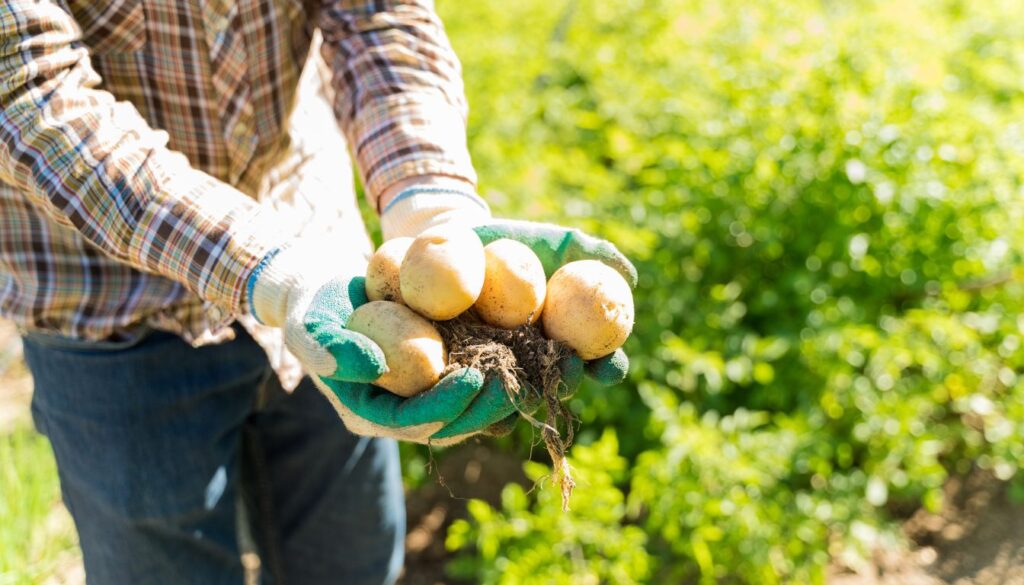
As potato plants mature, their leaves turn yellow and die off, signaling harvest time. Harvest potatoes once the plants die back, but complete the harvest before the first frost.
When and How to Harvest
To harvest potatoes, use a garden fork to lift the soil gently around the base of the plant. Dig carefully so you don’t damage the potatoes. After harvesting, leave the potatoes in the sun for a few hours to dry. This step toughens the skin and prevents bruising during storage.
The yield of potatoes per plant can vary depending on the variety and growing conditions. On average, each plant can produce 2 to 5 pounds of potatoes.
Curing and Storing Potatoes
After harvesting, it is important to cure the potatoes before storing them. This involves leaving them in a warm, dry place for a few weeks to allow the skin to harden. This will help to extend the storage life of the potatoes.
Potatoes should be stored in a cool, dark, and humid place. A temperature of 40-50°F with a humidity level of 85-95% is ideal for storing potatoes.
If the humidity is too low, the potatoes will dry out and shrivel up. If the humidity is too high, the potatoes will rot. To prevent the potatoes from sprouting, store them in a paper bag or a cardboard box. Avoid storing them in plastic bags, as this can trap moisture and cause them to rot.
Alternative Growing Methods – How Do Potatoes Grow in the Ground?
If you don’t have a large garden or want to grow potatoes in a more controlled environment, there are several alternative growing methods that you can use.
Container and Bag Planting
Gardeners often grow potatoes in containers such as pots, buckets, or bags. Containers let you control soil quality and moisture levels, and they make harvesting easier.
To grow potatoes in a container, choose one at least 16 inches wide and 18 inches deep. Fill it with a mix of potting soil and compost, then plant seed potatoes about 6 inches deep. As the plants grow, keep adding soil until the container is full. Once the plants flower, begin harvesting.
Many gardeners also use potato grow bags, which manufacturers design specifically for growing potatoes. These bags feature breathable fabric that allows air and water to circulate, reducing the risk of disease.
To use a grow bag, fill it with potting soil and compost, then plant seed potatoes about 6 inches deep. Add more soil as the plants grow until the bag is full. Once the plants flower, start harvesting your potatoes.
Vertical Gardening and Towers
Vertical gardening is another alternative method that’s ideal for small spaces. This method involves growing potatoes vertically on a trellis or tower, which allows you to maximize your growing space.
To grow potatoes vertically, you’ll need a trellis or tower that’s at least 4 feet tall. You can use a mix of potting soil and compost to fill the trellis or tower, then plant your seed potatoes about 6 inches deep. As the plants grow, add more soil to the trellis or tower until it’s full. Once the plants start to flower, you can start harvesting your potatoes.
One popular type of potato tower is the straw tower, which involves layering straw and soil to create a tower. To make a straw tower, start by filling the bottom of a large container with a layer of straw. Add a layer of soil on top of the straw, then plant your seed potatoes.
As the plants grow, add more straw and soil until the tower is full. Once the plants start to flower, you can start harvesting your potatoes.
Environmental Impact and Sustainability – How Do Potatoes Grow in the Ground?
Potatoes are a sustainable crop that can be grown with minimal environmental impact. However, certain practices can be used to further reduce the impact of potato farming on the environment.
Crop Rotation and Companion Planting
Crop rotation is a practice that involves planting different crops in the same field in a specific order. This helps to prevent the buildup of pests and diseases in the soil, which can reduce the yield of potatoes.
Companion planting is another practice that involves planting certain crops together to enhance their growth and deter pests. Tomatoes, eggplant, and peppers are good companion plants for potatoes. They can help to repel pests and improve soil health.
Crop rotation can also be used to reduce the risk of disease and pests. For example, planting legumes such as beans and peas in the same field after potatoes can help to fix nitrogen in the soil and reduce the need for fertilizers.
How Do Potatoes Grow in the Ground – Organic Practices
Farmers use organic practices to reduce the environmental impact of potato farming. They avoid synthetic fertilizers and pesticides that harm the environment. Instead, they rely on natural methods such as crop rotation, composting, and cover cropping to maintain soil health and control pests.
Organic potatoes are also healthier for consumers, as they do not contain harmful chemicals. Organic farming can also help to reduce the carbon footprint of potato farming, as it avoids the use of fossil fuel-based fertilizers and pesticides.
Potato Usage and Culinary Applications – How Do Potatoes Grow in the Ground?
Cooking with Potatoes
As a versatile vegetable, potatoes can be used in many different ways in the kitchen. They can be boiled, fried, baked, or roasted, and are a popular ingredient in soups and stews.
Potatoes are also a great addition to many dishes, adding flavor and texture to meals. When boiled, potatoes can be used in a variety of dishes, such as potato salad, mashed potatoes, or as a side dish.
They can also be fried to make French fries or hash browns, and baked to make a crispy potato skin or a soft and fluffy baked potato.
Roasting potatoes is another popular cooking method that brings out their natural sweetness and flavor. Roasted potatoes can be seasoned with herbs and spices to create a delicious side dish or snack.
Potato Nutritional Value
Potatoes are a good source of starch, making them a great source of energy. They are also a good source of vitamins and minerals, including vitamin C, potassium, and iron. Potatoes are also low in fat and calories, making them a healthy addition to any meal.
Potatoes offer versatility and flavor in countless dishes. Cooks add them to soups and stews, serve them as side dishes, or feature them as the main ingredient in meals. Their mild taste and smooth texture complement many types of cuisine.
Before You Go – How Do Potatoes Grow in the Ground
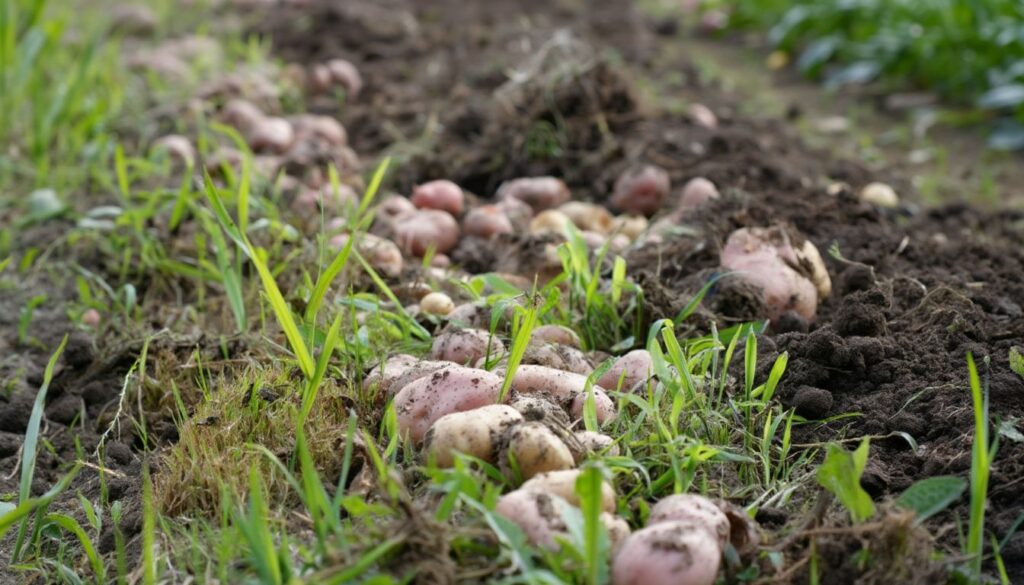
Potato plants reward attentive growers with hearty harvests when you provide the right conditions. Keep the soil loose, well-drained, and rich in organic matter to support healthy tuber development. Hill the plants regularly as they grow to protect the potatoes and encourage larger yields.
Watch for signs of maturity, such as yellowing foliage, and harvest carefully to avoid damaging the tubers. With patience and consistent care, you’ll enjoy a reliable crop that connects you to one of the world’s most versatile foods.
Don’t forget to add theherbprof.com home page to your favourites so you don’t miss out on future articles!
References – How Do Potatoes Grow in the Ground?
Little Herb Encyclopedia, by Jack Ritchason; N.D., Woodland Publishing Incorporated, 1995
The Ultimate Healing System, Course Manual, Copyright 1985, Don Lepore
Planetary Herbology, Michael Tierra, C.A., N.D., Lotus Press, 1988
Handbook of Medicinal Herbs, by James A. Duke, Pub. CRP Second Edition 2007
The Complete Medicinal Herbal, by Penelope Ody, Published by Dorling Kindersley
Check the Following Articles
Growing Russet Potatoes: Tips for a Successful Harvest
How Do Avocados Grow: A Comprehensive Guide
Propagating Tradescantia: Everything You Need To Know!
How to Grow Coffee? Tips Used By Top Coffeemakers
Frequently Asked Questions – How Do Potatoes Grow in the Ground?
How do potatoes reproduce?
Potatoes reproduce through vegetative reproduction, which means they grow from the eyes or sprouts on a mature potato. When you plant these sprouts in soil, they develop into new potato plants without producing seeds like most other plants.
What is the process of growing potatoes?
To grow potatoes, start by planting seed potatoes in the ground. These are mature potatoes saved specifically for planting. You can plant them whole or cut them into pieces, as long as each piece includes at least one eye. After planting, the potatoes grow into plants that form edible tubers underground. Most varieties take 2–3 months to mature before harvest.
How deep do potatoes grow in the ground?
Potatoes typically grow 4 to 6 inches deep, though some may reach depths of up to 12 inches. Soil type and growing conditions influence how deep the tubers develop.
Where do potatoes grow best?
Potatoes thrive in loose, well-draining soil rich in organic matter. They prefer cool temperatures and need at least 6 hours of sunlight daily. Farmers grow potatoes worldwide, with China, India, and Russia leading in production.
How are potatoes harvested?
Growers harvest potatoes by digging them up from the ground, either by hand or with specialized equipment like potato harvesters. After harvesting, they cure the potatoes for a few days to toughen the skin before storing them.
How many potatoes grow from one potato?
One potato usually produces 5 to 10 new potatoes, depending on the variety and growing conditions. Some types yield more than others, and factors like soil quality and weather affect productivity.