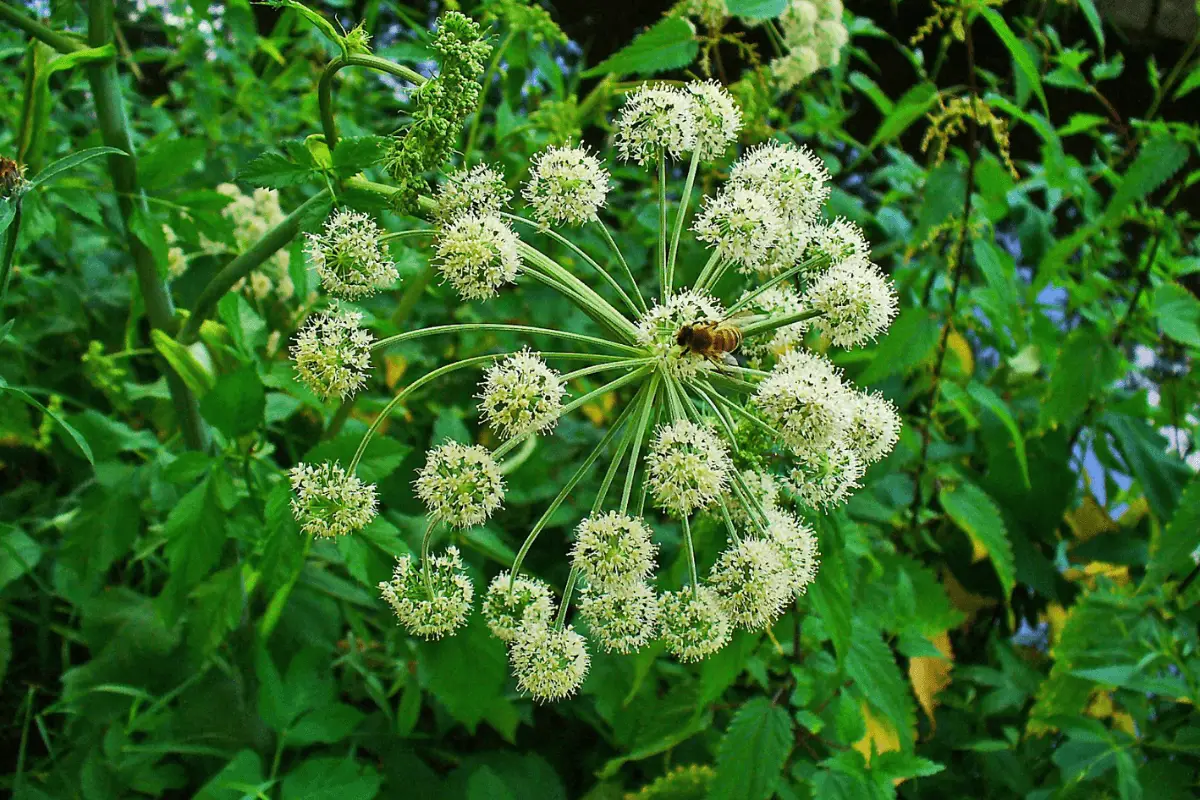
Angelica sinensis, commonly referred to as Dong Quai, is a traditional Chinese medicinal herb that people have used for centuries to treat a variety of ailments. Belonging to the parsley family, it grows natively in China, Korea, and Japan. Known for its numerous benefits, Angelica Sinensis is especially popular for supporting women’s health, including relief from menstrual cramps, hot flashes, and menopause.
One of the key benefits of angelica sinensis lies in its ability to regulate menstrual cycles and relieve menstrual cramps. The herb contains compounds that relax the uterus and reduce inflammation, which alleviates pain and discomfort during menstruation. In addition, angelica sinensis positively influences the body’s hormonal balance, which helps regulate menstrual cycles.
Practitioners of traditional Chinese medicine have long recognized the health benefits of angelica sinensis, often combining it with other herbs to treat a variety of conditions. The herb tones the blood and treats anemia, fatigue, and other issues related to blood deficiency. In addition, angelica sinensis provides anti‑inflammatory and antioxidant effects that boost the immune system and lower the risk of chronic diseases.
Botanical Overview
Angelica sinensis, commonly known as Dong Quai or female ginseng, is a flowering plant belonging to the Apiaceae family. The plant is native to China, Korea, and Japan and has been used in traditional Chinese medicine for centuries. I will provide a brief overview of the taxonomy and description of the plant, as well as its historical use in Chinese medicine.
Taxonomy and Description
Angelica sinensis grows as a perennial plant that reaches up to 2 meters tall. Its long, spindle‑shaped taproots extend deeply into the soil. The hollow stems display purple or green stripes. The large, dark green leaves divide into three leaflets, each with a distinct shape. Small white flowers bloom in the summer. The hardy plant thrives in a variety of soil types and conditions.
Angelica sinensis belongs to the Apiaceae family, also known as the carrot or parsley family. This family includes many other important medicinal plants, such as parsley, dill, and fennel. The plant also relates to other species of Angelica, including Angelica archangelica, which people commonly call garden angelica.
Historical Use in Chinese Medicine
Practitioners of traditional Chinese medicine have used Angelica sinensis for thousands of years. They value the plant for its wide range of health benefits, particularly for women’s health. Healers often prescribe it to regulate menstrual cycles, relieve menstrual cramps, and ease symptoms of menopause. They also use it to treat anemia, high blood pressure, and arthritis.
Chinese medicine classifies Angelica sinensis as a blood tonic that nourishes and invigorates the blood. Healers recognize its warming effect on the body and often combine it with other herbs to treat colds and flu.
Angelica sinensis stands as a valuable medicinal plant with centuries of use in traditional Chinese medicine. Its unique properties and benefits make it a popular choice for supporting women’s health and addressing other conditions.
Active Compounds and Properties
Angelica sinensis is a medicinal herb that has been used for centuries in traditional Chinese medicine. The plant contains a variety of active compounds that are responsible for its many health benefits.
Phytochemicals
Angelica sinensis contains several phytochemicals that contribute to its medicinal properties. These include coumarins, ligustilide, and imperatorin. Coumarins act as organic compounds with anticoagulant properties, which means they help prevent blood clots. Ligustilide, another organic compound in Angelica sinensis, provides anti‑inflammatory effects. Imperatorin, a furanocoumarin, delivers anti‑tumor properties.
Antioxidant and Antimicrobial Effects
Angelica sinensis demonstrates antioxidant and antimicrobial effects. Antioxidants protect the body from damage caused by free radicals, which are unstable molecules that harm cells and contribute to ageing and disease. Antimicrobial agents prevent the growth of harmful microorganisms, such as bacteria and fungi.
Researchers show that Angelica sinensis protects the body from oxidative stress, a condition that occurs when free radical production exceeds the body’s ability to neutralize them. This imbalance damages cells, tissues, and organs. Angelica sinensis also fights a variety of bacteria and fungi, including Staphylococcus aureus, Escherichia coli, and Candida albicans.
Overall, the active compounds in Angelica sinensis deliver many health benefits. They promote wound healing, reduce inflammation, and stop the growth of harmful microorganisms.
Health Benefits and Uses
As someone interested in natural remedies for years, I have explored many herbs and plants that deliver a variety of health benefits. One such plant, Angelica sinensis, also known as Dong Quai, has supported traditional Chinese medicine for centuries. In this section, I will share the health benefits and uses of Angelica sinensis, drawing on both my research and personal experience.
Menstrual and Menopausal Support
Angelica Sinensis is commonly used to help with menstrual and menopausal symptoms. It is often referred to as the “female ginseng” because of its ability to support women’s reproductive health. According to a study published in the Journal of Ethnopharmacology, Angelica Sinensis can help reduce hot flashes and other menopausal symptoms in women [1].
Circulatory and Heart Health
Angelica Sinensis has been shown to have positive effects on blood circulation and heart health. According to a study published in the Journal of Traditional and Complementary Medicine, Angelica Sinensis can help improve blood flow and reduce blood pressure [2]. It is also believed to have anti-coagulant properties, which can help prevent blood clots.
Anti-Inflammatory and Pain Relief
Angelica Sinensis has anti-inflammatory properties that can help reduce pain and inflammation in the body. It has been used to treat conditions such as arthritis and headaches. According to a study published in the Journal of Natural Products, Angelica Sinensis contains compounds that have anti-inflammatory effects [3].
Immune System and General Wellness – Angelica Sinensis Benefits
Angelica sinensis boosts the immune system and improves overall health and wellness. The herb contains antioxidants that protect the body against free radicals and other harmful substances. A study published in the Journal of Medicinal Food shows that Angelica sinensis modulates the immune system and strengthens the body’s immune response.
Overall, Angelica sinensis provides a versatile source of health benefits. It supports menstrual and menopausal health, promotes circulatory and heart function, reduces inflammation and pain, and strengthens the immune system for general wellness. Angelica sinensis stands out as a powerful herb that improves overall health and well‑being.
[1] https://www.ncbi.nlm.nih.gov/pmc/articles/PMC3155223/ [2] https://www.ncbi.nlm.nih.gov/pmc/articles/PMC4629407/ [3] https://pubmed.ncbi.nlm.nih.gov/20462247/ [4] https://www.ncbi.nlm.nih.gov/pmc/articles/PMC3113358/
Clinical Research and Efficacy
Angelica sinensis has been the subject of numerous clinical research studies investigating its potential health benefits. Here, I will discuss some of the most notable findings from these studies.
Cancer Research – Angelica Sinensis Benefits
Research on Angelica sinensis shows promising results in the fight against cancer. A population‑based case‑control study reports that Angelica sinensis provides a weak but significant protective effect on breast cancer cells. The study also finds that using Angelica sinensis longer before a breast cancer diagnosis strengthens its protective effect. In addition, Angelica sinensis inhibits the growth of larynx cancer and rhabdomyosarcoma cells.
Cardiovascular Studies
Angelica sinensis has been shown to have a positive effect on cardiovascular health. In a study on cerebral infarction, Angelica sinensis was found to have a protective effect on the brain by reducing inflammation and oxidative stress. Another study found that Angelica sinensis can improve blood flow and reduce the risk of thrombosis, making it a potential treatment for cardiovascular disease.
Hormonal Balance Investigations
Practitioners of traditional Chinese medicine have used Angelica sinensis for centuries to treat hormonal imbalances. Modern researchers confirm that Angelica sinensis regulates the menstrual cycle and alleviates symptoms of premenstrual syndrome. In addition, studies show that Angelica sinensis delivers anti‑inflammatory effects, making it a potential treatment for rheumatoid arthritis.
Scientific research on Angelica sinensis highlights a wide range of potential health benefits. Researchers emphasize the need for more studies to fully understand its efficacy, but current findings create a promising foundation for future investigation.
Safety and Side Effects
Angelica sinensis is generally considered safe when used appropriately. However, as with any supplement or medication, there are some potential side effects and precautions to be aware of.
Contraindications and Interactions – Angelica Sinensis Benefits
Angelica sinensis should not be used by individuals who are allergic to the plant or its components. It may also interact with certain medications, including blood thinners such as warfarin. Individuals taking these medications should speak with their healthcare provider before using Angelica sinensis.
Recommended Dosage and Toxicity
There is no established safe or effective dosage for Angelica sinensis. However, some studies have used doses ranging from 1 to 15 grams per day. Higher doses may increase the risk of side effects. Angelica sinensis may be toxic in high doses and may cause symptoms such as nausea, vomiting, and diarrhea. In rare cases, it may also cause liver damage.
Regulatory Status
Angelica sinensis is not approved by the FDA for any medical use. It is classified as a dietary supplement and is not subject to the same regulations as prescription medications.
Individuals should always speak with their healthcare provider before using any supplement, including Angelica sinensis. Pregnant and breastfeeding women should also avoid using the supplement, as its effects on fetal development and lactation are not well understood.
Usage in Herbal Medicine – Angelica Sinensis Benefits

Angelica sinensis, commonly known as dong quai, has been used in traditional Chinese medicine for thousands of years. It is primarily known for its potential benefits in regulating female hormonal balance, improving menstrual flow, and reducing menstrual pain.
The Feminine System – Get Angelica Here
Angelica nourishes the feminine system, stimulates hormone production, and thereby normalizes the ovaries and strengthens the womb. This same herb stimulates and balances hormone production, which can relieve hot flashes and the growth of ovarian cysts.
Formulations and Preparations – Angelica Sinensis Benefits
Manufacturers prepare dong quai in various formulations, including capsules, tablets, teas, and tinctures. They typically use the root of the plant in these preparations, either alone or combined with other herbs.
Users must follow the recommended dosage and consult a healthcare provider when taking dong quai, especially during pregnancy, breastfeeding, or while using medication. Dong quai interacts with certain medications, including blood thinners and hormone therapy.
Integrating with Other Herbs and Supplements
Practitioners often combine dong quai with other herbs and supplements to enhance its potential benefits. For example, they mix it with black cohosh, chasteberry, and red clover to alleviate menopausal symptoms.
Researchers have not extensively studied the safety and effectiveness of these combinations. Healthcare providers recommend consulting with a professional before using any herbal supplement or natural remedy.
Traditional Chinese medicine values dong quai as a popular herbal supplement, primarily for its potential benefits in regulating female hormonal balance. Manufacturers prepare it in various formulations and may combine it with other herbs and supplements. Healthcare providers advise consultation before use, as with any herbal supplement or natural remedy.
Considerations for Consumers
Selecting Quality Products
When looking to purchase Angelica sinensis products, it is important to choose high-quality products from reputable sources. Consumers should look for products that are certified organic and have undergone third-party testing for quality and purity. It is also important to read the ingredient list carefully to ensure that the product contains only Angelica sinensis and no other potentially harmful ingredients.
Consulting Healthcare Professionals
While Angelica sinensis is generally considered safe for most people, it is important to consult with a healthcare professional before starting to use this herb, especially if you are taking any medications or have any underlying health conditions. Angelica sinensis may interact with certain medications, such as blood-thinning medications, and may not be suitable for people with certain medical conditions.
While Angelica sinensis offers potential health benefits, it is important for consumers to take certain considerations into account when selecting and using this herb. By choosing high-quality products and consulting with a healthcare professional, consumers can ensure that they are using Angelica sinensis safely and effectively.
Before You Go – Angelica Sinensis Benefits

Angelica sinensis, often called “Dong Quai” or the “female ginseng,” has earned its reputation as a powerful ally in traditional medicine. From supporting women’s health and hormonal balance to promoting circulation and easing inflammation, this herb offers a wide range of potential benefits.
As with any natural remedy, the key lies in mindful use. Whether you explore Angelica sinensis through teas, tinctures, or supplements, remember to consult a healthcare professional before making it part of your daily routine. By combining ancient wisdom with modern guidance, you can safely unlock the nourishing potential of this remarkable plant.
Take what resonates with you, explore thoughtfully, and trust that small, natural choices can make a big difference in your overall well‑being.
Don’t forget to add theherbprof.com homepage to your favourites so you don’t miss out on future articles!
References – Angelica Sinensis Benefits: The Greatest Of All Herbs
Little Herb Encyclopedia, by Jack Ritchason; N.D., Woodland Publishing Incorporated, 1995
The Ultimate Healing System, Course Manual, Copyright 1985, Don Lepore
Planetary Herbology, Michael Tierra, C.A., N.D., Lotus Press, 1988
Handbook of Medicinal Herbs, by James A. Duke, Pub. CRP Second Edition 2007
The Complete Medicinal Herbal, by Penelope Ody, Published by Dorling Kindersley
Check the Following Articles
Sleeplessness and Valerian: Fixing Insomnia and Stress
Thyroid Disease Naturopathic: Effective Herbal Remedies
Herbal Formula Information: Health and Wellness Now
Alfafa: Everything You Need To Know
Frequently Asked Questions – Angelica Sinensis Benefits
What are the potential health benefits of consuming Angelica sinensis?
Angelica sinensis, commonly known as Dong Quai, has long played a role in Chinese medicine to treat various health conditions. People consume it to regulate menstrual cycles, reduce menopausal symptoms, and improve bone health.
How might Angelica sinensis affect skin health?
Angelica sinensis contains compounds that improve skin health. These compounds reduce inflammation, promote collagen production, and enhance skin elasticity. Some individuals may experience skin irritation or sensitivity to sun exposure when they apply Angelica sinensis topically.
In what ways is Angelica sinensis used medicinally?
Practitioners of traditional Chinese medicine use Angelica sinensis to treat menstrual disorders, menopausal symptoms, and anemia. The herb also provides anti‑inflammatory and antioxidant effects that boost the immune system and protect against certain diseases.
Can Angelica sinensis improve hair health, and if so, how?
Studies suggest that Angelica sinensis improves hair health by promoting blood circulation to the scalp and nourishing hair follicles. Researchers still need more evidence to confirm its effectiveness in promoting hair growth.
What role does Angelica sinensis play in supporting fertility?
People often call Angelica sinensis the “female ginseng” because of its traditional role in promoting women’s health and fertility. The herb regulates menstrual cycles, reduces menstrual pain, and improves uterine tone. Women should consult a healthcare provider before using Angelica sinensis for fertility purposes.
What are the benefits of drinking tea made from Angelica root?
Drinking tea made from Angelica root reduces inflammation, improves digestion, and promotes relaxation. Excessive consumption may cause side effects such as nausea and diarrhea, so healthcare providers recommend moderation when drinking Angelica root tea.