The Herb Prof Team researches and writes our herbal guides, drawing on published research, traditional herbal references, and hands-on growing experience.
Lemon balm tea is one of the most well-researched herbal teas available, with clinical evidence supporting its use for anxiety, sleep, digestion, and mood. It takes under ten minutes to make from fresh or dried leaves. This guide covers what lemon balm tea actually does, the exact recipe for both hot and iced versions, the best time to drink it for each use case, and full safety notes so you can use it with confidence.
What Is Lemon Balm Tea
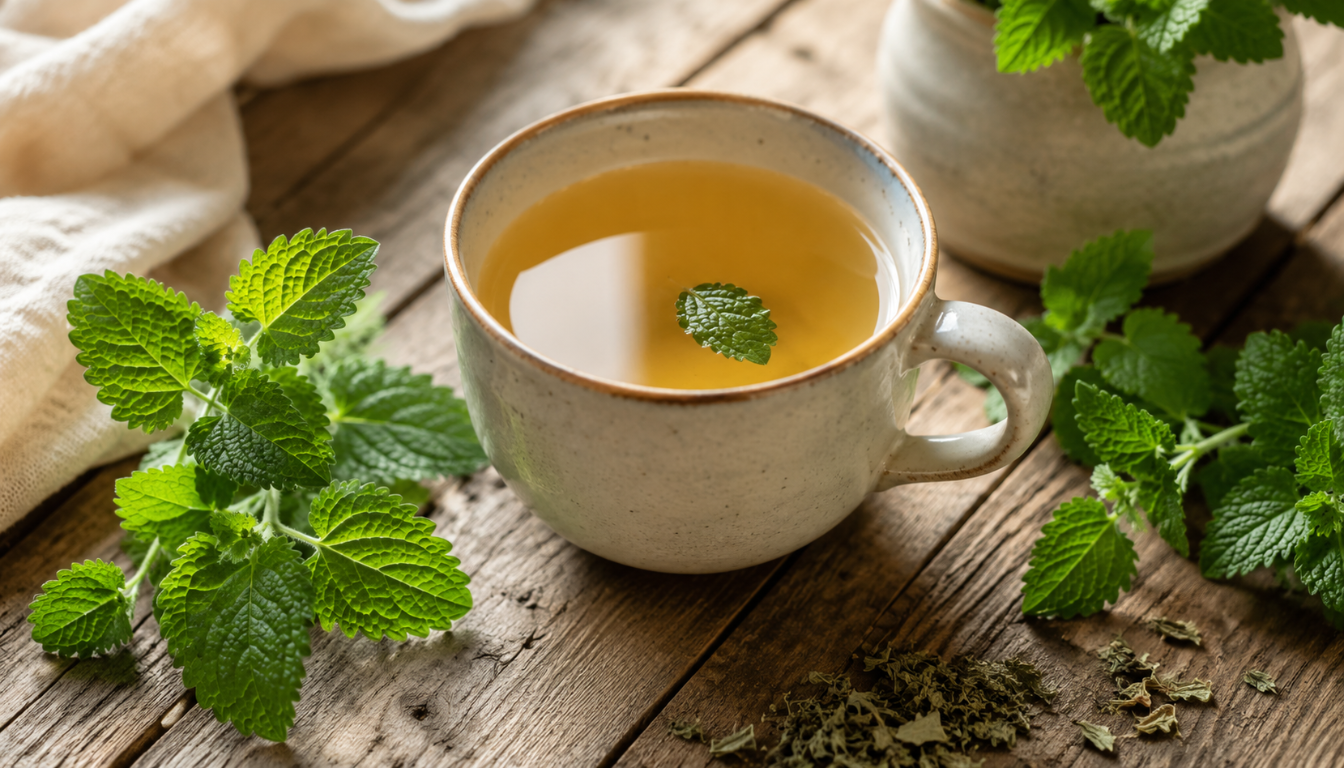
Lemon balm tea is a caffeine-free herbal infusion made from the leaves of Melissa officinalis, a perennial herb in the mint family native to the Mediterranean. It has a light, fresh flavour with subtle citrus and mint notes, gentler and less sharp than lemon verbena, and more aromatic than plain mint. Unlike many herbal teas, lemon balm has a well-documented therapeutic profile backed by clinical trials rather than tradition alone.
The active compounds responsible for its effects are rosmarinic acid, citral, linalool, and apigenin. Rosmarinic acid inhibits the breakdown of GABA in the brain, producing calming effects through the same pathway targeted by benzodiazepines, without the dependency risk. Citral and linalool contribute to the herb’s mood-lifting and antiviral properties, while apigenin adds sedative and anxiolytic activity.
Benefits of Lemon Balm Tea
Anxiety and Stress Relief
A 2004 double-blind crossover study published in Psychosomatic Medicine found that lemon balm extract at 300–600mg significantly reduced anxiety and improved mood and calmness in healthy adults, with no impairment of cognitive performance at these doses. A 2024 systematic review published in PMC confirmed these findings and noted that lemon balm shows consistent anxiolytic effects across multiple clinical trials. For anxiety and stress, lemon balm tea is most effective when taken consistently over two to four weeks rather than as a single-use remedy.
Sleep Quality
Lemon balm tea is one of the most clinically supported herbal preparations for sleep. The combination of lemon balm and valerian root has been shown in controlled trials to be as effective as pharmaceutical benzodiazepines for mild to moderate insomnia without dependency risk or morning grogginess. Taken alone, lemon balm tea reduces the time taken to fall asleep and improves reported sleep quality, particularly in people whose sleep difficulty is driven by anxiety or racing thoughts.
Digestive Health
Lemon balm has well-established antispasmodic properties that relax smooth muscle in the gastrointestinal tract, relieving bloating, cramping, and digestive discomfort. A 2013 clinical trial found that a preparation including lemon balm significantly reduced bloating, abdominal pain, and nausea in patients with functional dyspepsia compared to placebo. It is particularly effective for digestive complaints that have a nervous system component, the kind that worsen under stress or anxiety.
Mood and Cognitive Function
Beyond anxiety reduction, lemon balm has demonstrated measurable improvements in mood, memory, and mental clarity in healthy adults. The 2024 systematic review confirmed that lemon balm shows promise for cognitive enhancement and mood improvement, making it a useful daily tea for anyone who experiences mental fatigue, low mood, or difficulty concentrating alongside stress.
Heart Palpitations
A clinical trial found that lemon balm significantly reduced the frequency of heart palpitation episodes and lowered anxiety scores in affected patients, a well-evidenced use that most herbal tea articles overlook entirely. For people who experience palpitations driven by anxiety or nervous tension, lemon balm tea is a practical and well-supported first-line herbal option.
Cold Sore Treatment
While tea is less concentrated than a tincture for topical application, drinking lemon balm tea regularly contributes to the systemic antiviral activity of its compounds against herpes simplex virus type 1. A 1999 double-blind placebo-controlled trial confirmed that topical lemon balm preparation significantly reduced healing time for herpes simplex cold sores and reduced recurrence frequency with regular use.
Lemon Balm Tea Recipe
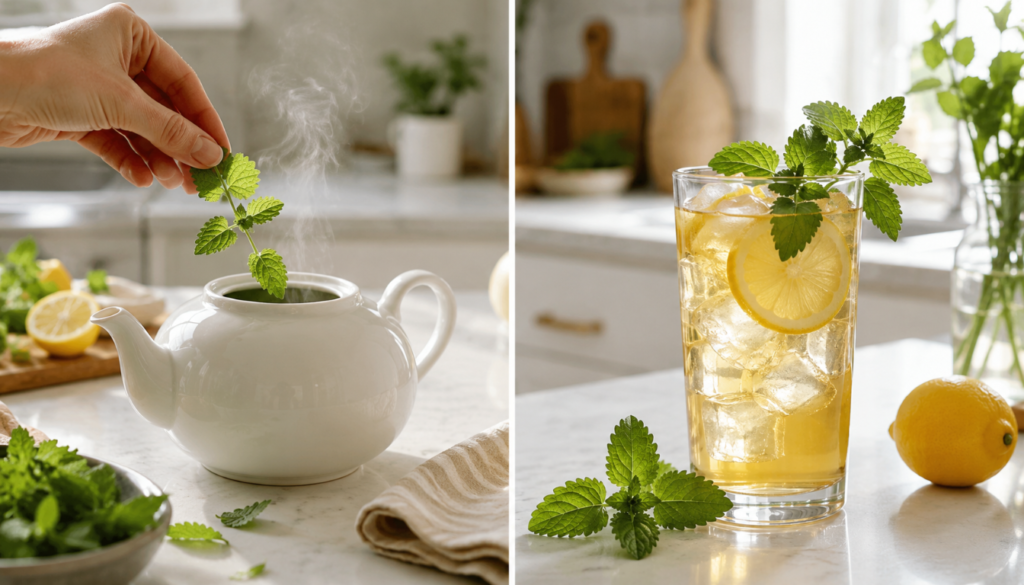
Hot Lemon Balm Tea
What you need:
- 1 tablespoon fresh lemon balm leaves (or 1 teaspoon dried)
- 250ml freshly boiled water
- Optional: raw honey, a slice of lemon, or a sprig of fresh mint
Method:
- If using fresh leaves, rinse gently and tear slightly to release the oils
- Place the leaves in a teapot, infuser, or directly in a mug
- Pour freshly boiled water over the leaves
- Cover and steep for 5–10 minutes. Five minutes produces a light, delicate flavour. Ten minutes produces a stronger, more therapeutic brew
- Strain and serve. Add honey or lemon if desired
Shelf life of brewed tea: Drink immediately or refrigerate for up to 24 hours.
Lemon Balm Iced Tea
What you need:
- ¼ cup fresh lemon balm leaves or 2 tablespoons dried
- 4 cups boiling water
- Raw honey or agave syrup to taste
- Fresh lemon juice to taste
- Ice to serve
Method:
- Place lemon balm leaves in a heatproof pitcher
- Pour boiling water over the leaves, cover, and steep for 15–20 minutes
- Strain and stir in honey and lemon juice while the tea is still warm so they dissolve fully
- Allow to cool to room temperature, then refrigerate for at least two hours
- Serve over ice, garnished with fresh lemon balm sprigs or a slice of lemon
Using a Tincture Instead of Leaves
If you do not have fresh or dried lemon balm available, a tincture makes an effective substitute. Add 1–2 dropperfuls of lemon balm tincture to a mug of hot water and steep for five minutes. This method delivers a more concentrated dose than loose leaf tea and is particularly useful for therapeutic use. For the full tincture recipe and dosage guide, see our Lemon Balm Tincture Recipe: How to Make It at Home.
Flavour Pairings and Herb Combinations
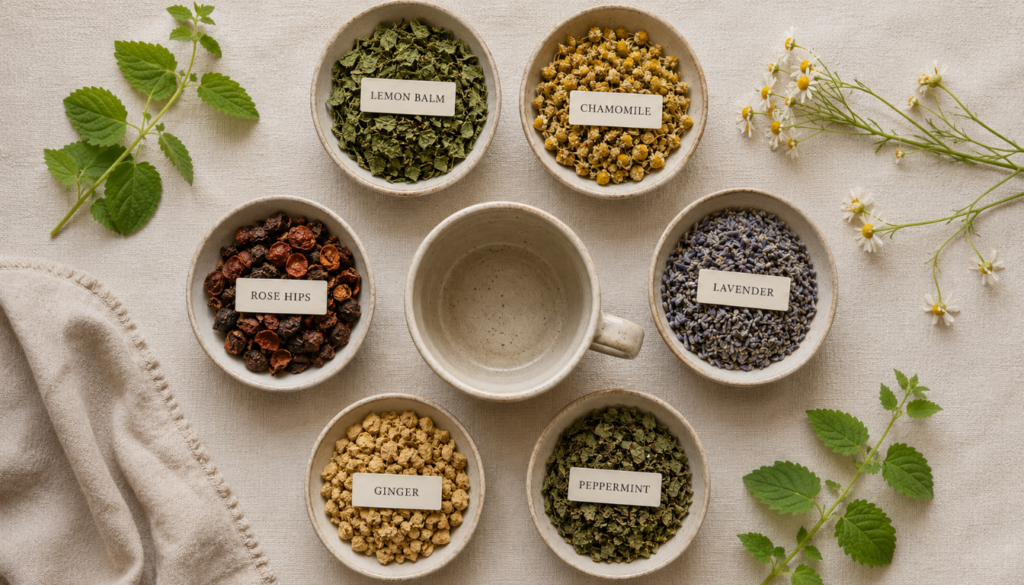
Lemon balm pairs beautifully with other herbs, both for flavour and to enhance specific therapeutic effects:
| Combination | Best For | Flavour Note |
|---|---|---|
| Lemon balm + chamomile | Evening relaxation, mild anxiety | Floral, gentle |
| Lemon balm + valerian | Sleep support, insomnia | Earthy, strong |
| Lemon balm + lavender | Stress and tension headaches | Floral, aromatic |
| Lemon balm + peppermint | Digestive relief, mental clarity | Fresh, cooling |
| Lemon balm + ginger | Digestive cramping, nausea | Warming, spicy |
| Lemon balm + rose hips | Immune support, mood | Fruity, bright |
When to Drink It
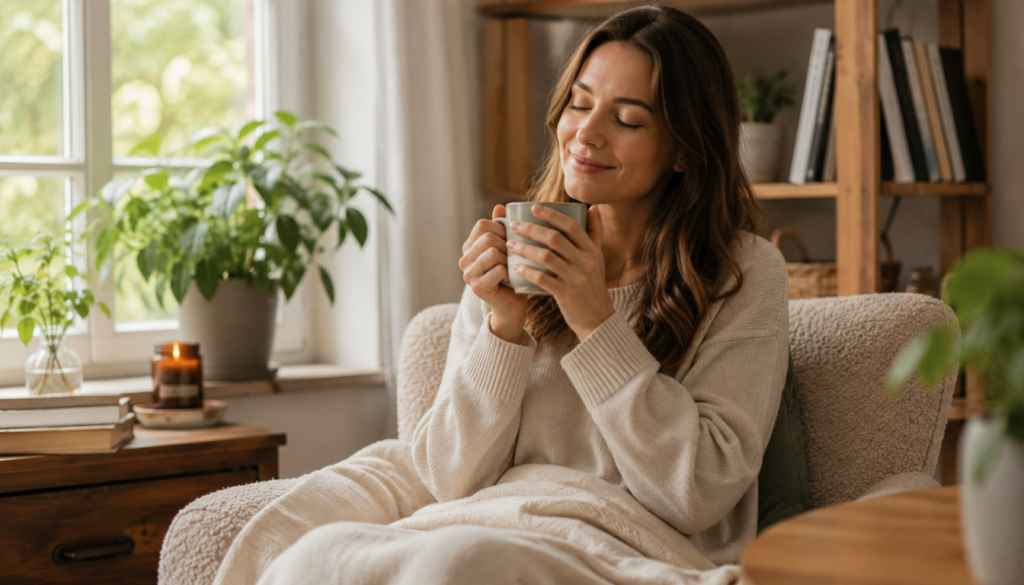
Timing your lemon balm tea to the intended effect produces noticeably better results:
- For anxiety and stress: One cup mid-morning and one in the afternoon, taken consistently over two to four weeks
- For sleep: One cup 30–45 minutes before bed, combined with chamomile or valerian for stronger effect
- For digestion: One cup immediately after meals, particularly after heavy or rich food
- For mood and mental clarity: One cup in the morning as a caffeine-free alternative to coffee
Fresh vs Dried Leaves
Both work well but produce slightly different results:
- Fresh leaves deliver a brighter, more aromatic cup with a higher volatile oil content. Use a tablespoon per cup and harvest in the morning just before flowering for peak potency
- Dried leaves produce a deeper, more concentrated flavour and are more practical for year-round use. Use a teaspoon per cup. Ensure dried herb is no more than 12 months old for best potency
For guidance on preserving your own lemon balm, see our How to Preserve Lemon Balm: Simple Methods That Work.
Safety and Precautions
Lemon balm tea is well tolerated by the majority of adults and children when consumed at normal quantities. The following precautions apply:
- Thyroid conditions: Lemon balm has demonstrated mild thyroid-inhibiting activity. People with hypothyroidism or taking thyroid medication should consult their doctor before drinking lemon balm tea regularly
- Sedative medications: Lemon balm may enhance the effects of sedative medications including benzodiazepines and sleep aids. Consult your doctor if you take any of these
- Pregnancy: Lemon balm tea in normal culinary amounts is generally considered safe during pregnancy. Avoid medicinal-strength preparations. Always consult your midwife before use
- Surgery: Discontinue regular lemon balm consumption at least two weeks before scheduled surgery as it may enhance anaesthetic sedation
- Glaucoma: Some compounds in lemon balm may affect intraocular pressure. Those with glaucoma should consult their eye specialist before regular use
- Liver safety: The NCBI LiverTox database confirmed in 2024 that lemon balm has not been linked to liver injury at recommended doses, making it safe for long-term daily use in healthy adults
Storing Lemon Balm Tea
- Fresh leaves: Keep in a glass of water on the counter like cut flowers, or wrap in damp paper towel in the fridge. Use within five to seven days
- Dried leaves: Store in an airtight glass jar away from light and heat for up to six months
- Brewed tea: Refrigerate in a sealed jar for up to 24 hours. After that the volatile oils begin to degrade and the flavour flattens
Before You Go – Lemon Balm Tea Recipe
Lemon balm tea is one of the few herbal teas where the clinical evidence genuinely matches the traditional reputation. For daily anxiety support, better sleep, digestive comfort, and mood, it is one of the most practical and well-evidenced teas you can make at home. Fresh or dried, hot or iced, it takes under ten minutes and requires nothing more than leaves and hot water.
For a stronger therapeutic preparation, our Lemon Balm Tincture Recipe covers the full alcohol extraction method with dosage for anxiety, sleep, digestion, and cold sores. For a full profile of everything lemon balm can do, our Lemon Balm: Health Benefits, Uses and How to Use It covers the complete picture.
References – Lemon Balm Tea Recipe
Little Herb Encyclopedia, by Jack Ritchason; N.D., Woodland Publishing Incorporated, 1995
The Ultimate Healing System, Course Manual, Copyright 1985, Don Lepore
Planetary Herbology, Michael Tierra, C.A., N.D., Lotus Press, 1988
Handbook of Medicinal Herbs, by James A. Duke, Pub. CRP Second Edition 2007
The Complete Medicinal Herbal, by Penelope Ody, Published by Dorling Kindersley
Related Articles
Herb to Lower Cortisol: Solution for Stress Management
Rosemary Tincture Recipe: Make Your Own Herbal Remedy
Peppermint Tea: Benefits, Uses and How to Make It
Frequently Asked Questions – Lemon Balm Tea Recipe
How much lemon balm tea should I drink per day?
One to three cups per day is the standard recommendation for therapeutic use. For anxiety and stress, two cups daily, one mid-morning and one mid-afternoon, produces the most consistent results. For sleep, one cup 30–45 minutes before bed is sufficient. There is no established upper limit for healthy adults at normal tea strength.
How long does it take for lemon balm tea to work?
For acute anxiety relief, effects are noticeable within 30–60 minutes of drinking a cup. For ongoing anxiety, sleep quality, and mood improvement, consistent daily use over two to four weeks produces the most reliable and lasting results as rosmarinic acid levels build in the system.
Can I drink lemon balm tea every day?
Yes. Daily use at normal tea strength is considered safe for healthy adults and is actually recommended for anxiety and sleep support, where consistent use over time produces better results than occasional use. People with thyroid conditions or those taking sedative medications should consult their doctor before daily use.
What does lemon balm tea taste like?
Lemon balm tea has a light, fresh flavour with subtle citrus and mint notes. It is gentler and less tart than lemon verbena and less sharp than peppermint. Most people find it pleasant without sweetener, though a small amount of raw honey enhances the natural sweetness of the herb.
Can I use lemon balm tea bags instead of loose leaf?
Yes, though loose leaf, particularly from fresh or recently dried home-grown herb, consistently produces a more flavourful and potent cup than commercial tea bags, which often contain older, lower-grade dried herb. If using commercial tea bags, choose a reputable organic brand and steep for the full ten minutes to maximise extraction.
Is lemon balm tea safe for children?
Lemon balm is one of the most widely studied herbal remedies for childhood sleep disturbance and restlessness and is considered safe for children in appropriate doses. A weaker brew, half the adult amount steeped for five minutes, is a practical starting point. Consult a healthcare provider for specific age-appropriate guidance.