The Herb Prof Team researches and writes our herbal guides, drawing on published research, traditional herbal references, and hands-on growing experience.
Lemon balm (Melissa officinalis) is one of the most versatile and underused herbs in natural medicine. A member of the mint family (Lamiaceae), it has been used for over two thousand years for anxiety relief, sleep support, digestive health, and skincare, and is now backed by a growing body of clinical research that validates its traditional uses. This guide covers the science, the active compounds, and every practical way to use this herb for health, in cooking, and in skincare.
What is Lemon Balm?
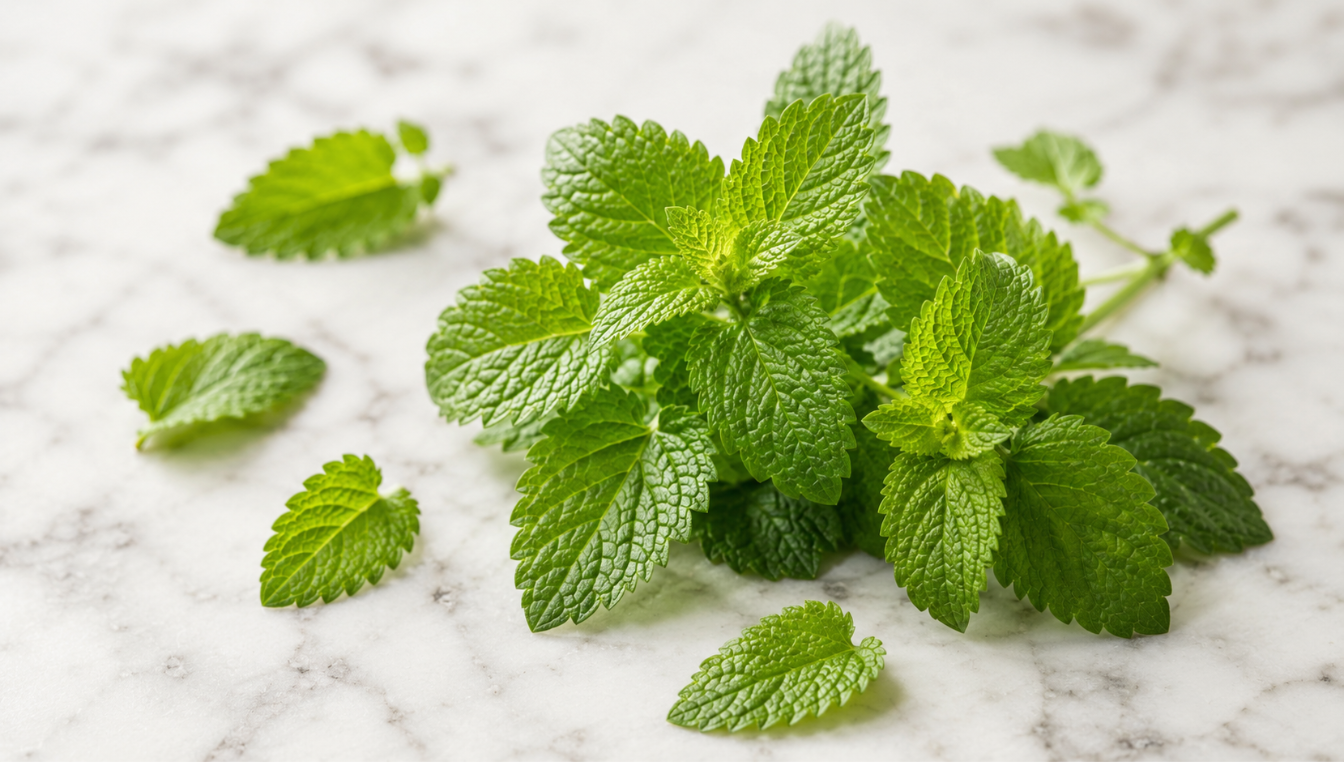
Lemon balm (Melissa officinalis) is a perennial herb native to southern Europe and the Mediterranean. It grows readily in temperate climates and is one of the easiest medicinal herbs to cultivate at home. Its leaves are bright green, slightly textured, and release a distinctive fresh lemon scent when crushed, a result of its volatile oil content, primarily citral and citronellal.
The name Melissa derives from the Greek word for honeybee, a reference to the herb’s long association with attracting bees and producing high-quality honey. It belongs to the same family as peppermint, spearmint, and lavender, and shares some of their calming and antispasmodic properties while having its own distinct therapeutic profile.
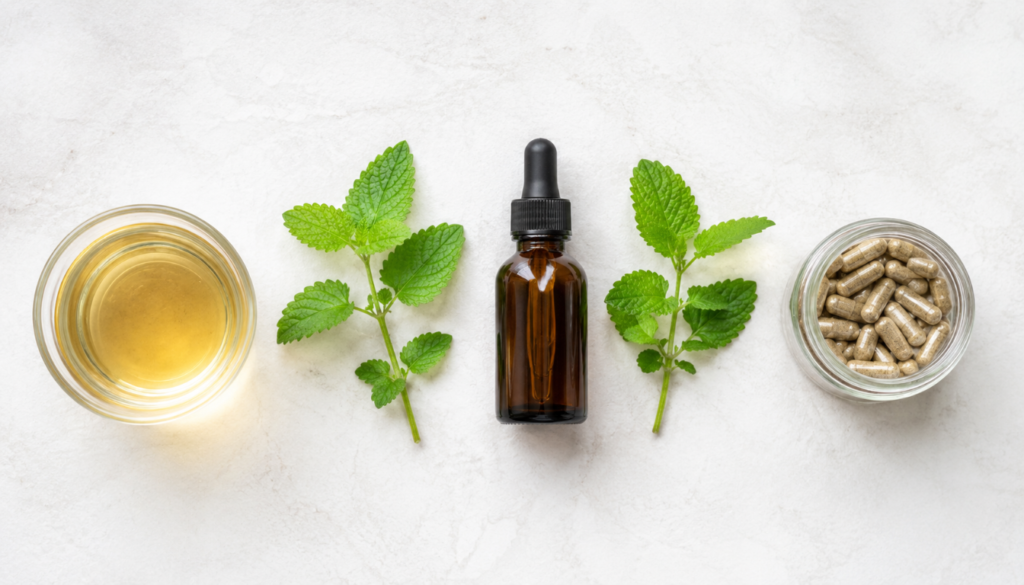
Lemon balm is used medicinally as a tea, tincture, capsule, essential oil, and topical preparation. Each delivery method suits different applications, and this guide covers all of them.
History and Traditional Use
Lemon balm has one of the longest documented histories of any European medicinal herb. The Greek physician Dioscorides prescribed it in the 1st century AD for anxiety, insomnia, and digestive complaints. The Arab physician Ibn Sina (Avicenna) described it in the 11th century as a herb that “causeth the mind and heart to become merry” and recommended it specifically for melancholy and nervous exhaustion.
In medieval European monastic gardens, lemon balm was a cornerstone herb. The Benedictine monks of the Abbey of Saint-Maurice-de-Clairvaux used it as a key ingredient in Carmelite Water, a herbal preparation used throughout Europe from the 14th century for headaches, nervousness, and digestive complaints that remained in commercial production for centuries.
By the 17th century, Nicholas Culpeper described lemon balm as a herb that “driveth away all troublesome cares and thoughts out of the mind arising from melancholy”, a description that modern clinical research has given a precise pharmacological explanation.
Active Compounds and How They Work
Lemon balm’s therapeutic effects are produced by a well-characterised set of active compounds.
Rosmarinic acid
This is the most pharmacologically significant compound in lemon balm. It is a polyphenol with potent antioxidant, anti-inflammatory, and anxiolytic properties. Rosmarinic acid inhibits the enzyme GABA transaminase, which breaks down gamma-aminobutyric acid (GABA) in the brain. By slowing GABA breakdown, rosmarinic acid increases GABA activity, producing calming, anti-anxiety, and mild sedative effects. This is a well-established mechanism shared with some pharmaceutical anxiolytics, explaining why lemon balm has consistently outperformed placebo in clinical anxiety trials.
Citral and citronellal
Volatile terpenes responsible for lemon balm’s characteristic lemon scent. They have demonstrated antispasmodic effects on smooth muscle, contributing to lemon balm’s effectiveness for digestive cramping, IBS, and colic. They also have mild antiviral properties, particularly against herpes simplex virus. This is the mechanism behind lemon balm’s clinical effectiveness as a topical treatment for cold sores.
Luteolin and apigenin
Flavonoids that are present in lemon balm with anti-inflammatory and mild sedative effects. Apigenin also appears in chamomile and contributes to lemon balm’s sleep-supporting properties by binding to benzodiazepine receptors in the brain.
Eugenol
Contributes mild analgesic and antimicrobial activity and is also found in clove and basil. It contributes to lemon balm’s effectiveness as a topical preparation for minor skin complaints.
What the Research Says
Anxiety and Stress
The clinical evidence for lemon balm as an anxiolytic is among the strongest of any non-pharmaceutical intervention. A 2014 randomised controlled trial published in Nutrients found that a single dose of lemon balm extract significantly reduced anxiety and improved mood in healthy volunteers during a laboratory-induced stress task. Effects were measurable within one hour of consumption.
A 2004 double-blind crossover study published in Psychosomatic Medicine found that lemon balm extract at 300mg and 600mg doses significantly reduced anxiety and improved mood and calmness, with the 600mg dose producing the most consistent results. Critically, the study found no impairment of cognitive performance, it calms without sedating, making it suitable for daytime use.
Sleep
For sleep, it is most effective in combination with valerian root. A widely cited study (Cerny and Schmid, 1999) found that a combined lemon balm and valerian preparation was as effective as triazolam, a pharmaceutical benzodiazepine, for improving sleep quality and reducing sleep latency, without the dependency risk or morning grogginess associated with pharmaceutical sleep aids.
A 2011 study published in Mediterranean Journal of Nutrition and Metabolism found that lemon balm supplementation in children with restlessness and sleep disturbance produced significant improvements in sleep quality and concentration in 80% of participants.
Digestive Health
Multiple studies confirm lemon balm’s antispasmodic effects on the gastrointestinal tract. A 2013 clinical trial found that a combination preparation including lemon balm significantly reduced bloating, abdominal pain, and nausea in patients with functional dyspepsia compared to placebo. The antispasmodic effect of lemon balm’s volatile oils relaxes smooth muscle in the gut wall, reducing cramping and the uncomfortable sensation of trapped gas.
Cold Sores
Has the most robust clinical evidence of any topical herbal treatment for herpes simplex labialis (cold sores). A 1999 double-blind placebo-controlled trial found that lemon balm cream applied to cold sores significantly reduced healing time, reduced symptoms on day two of application, and reduced the frequency of recurrence in participants who used it regularly. This effect is attributed to the antiviral activity of citral and rosmarinic acid against herpes simplex virus type 1.
Cognitive Function
Emerging research suggests lemon balm supports cognitive performance. A 2003 study in Neuropsychopharmacology found that lemon balm extract at 1,600mg improved memory performance and significantly increased calmness in healthy young adults. The cognitive benefits appear related to rosmarinic acid’s effects on acetylcholine activity in the brain. This is the same neurotransmitter system targeted by pharmaceutical dementia treatments.
Health Benefits of Lemon Balm
Anxiety and Nervous System Support
Lemon balm is best suited to mild to moderate anxiety, stress-related tension, and nervous exhaustion. It is particularly valuable for people who experience anxiety alongside physical symptoms, digestive cramping, tension headaches, or sleep disruption, as it addresses all of these simultaneously through its multiple mechanisms of action.
For anxiety, a standardised extract (300–600mg) taken once or twice daily produces consistent results in clinical trials. Lemon balm tea is a milder but genuinely effective alternative for daily anxiety management and stress reduction.
Unlike pharmaceutical anxiolytics, lemon balm does not cause sedation at standard doses, does not impair cognitive function, and has no known dependency risk, making it suitable for long-term daily use.
Sleep Support
For sleep, lemon balm works best combined with valerian root. Drink a melissa and valerian tea 45–60 minutes before bed, or take a combined supplement preparation. Lemon balm alone is effective for mild sleep difficulty and restlessness. For moderate insomnia, the combined preparation has stronger clinical support.
Digestive Relief
This herb, drunk as a tea after meals, is one of the most effective herbal remedies for functional digestive complaints including bloating, cramping, flatulence, and the discomfort of IBS. The antispasmodic volatile oils relax the gut wall within 20–30 minutes of consumption. A cup of tea after dinner is a practical, evidence-supported daily digestive remedy.
Cognitive Support
For cognitive support and focus, lemon balm is most effective at higher doses (1,200–1,600mg standardised extract) and is best used as a supplement rather than a tea at these levels. For a gentler daily cognitive support routine, lemon balm tea combined with peppermint, both herbs have evidence for improving alertness and memory, is a practical and pleasant option.
How to Use Lemon Balm
As a Tea
The most accessible and pleasant delivery method for daily health support.
Method:
- Use 1–2 teaspoons of dried lemon balm leaves or a small handful of fresh leaves per cup
- Pour freshly boiled water over the leaves
- Cover and steep for 7–10 minutes as covering the cup traps the volatile oils
- Strain and drink
Add raw honey after steeping if desired. Drink one to three cups daily for anxiety management and digestive support. For sleep, drink one cup 45–60 minutes before bed.
As a Tincture
Delivers a more concentrated dose than tea and is better suited to acute anxiety relief and stronger therapeutic effect. Standard dose is 2–4ml (approximately 40–80 drops) in water, taken two to three times daily. For sleep, take a single dose 30–45 minutes before bed.
As a Supplement
Standardised extract capsules (300–600mg) are the most reliable delivery method for anxiety and cognitive support as they provide a consistent, measurable dose of rosmarinic acid. This is the form used in the majority of clinical trials.
As an Essential Oil
Essential oil (also sold as melissa oil) is one of the most expensive essential oils available due to the large quantity of plant material required for distillation. It is used in aromatherapy for stress and anxiety relief, diffuse 3–4 drops or add to a carrier oil for topical application. Note that many products sold as lemon balm or melissa oil are adulterated with cheaper citrus or lemongrass oils, buy from reputable suppliers who provide GC/MS testing certificates.
Culinary Uses
Lemon balm’s fresh, citrusy flavour makes it one of the most versatile culinary herbs. Unlike many medicinal herbs that are too strong or bitter for regular culinary use, this herb is mild enough to use generously in food and drink.
Best culinary applications:
- Finely chopped fresh leaves in green salads, grain salads, and coleslaw
- Stirred into yoghurt with honey as a dessert or breakfast topping
- Added to fruit salads, particularly with strawberries, peaches, and melon
- Infused into simple syrups for cocktails, mocktails, and lemonades
- Used as a garnish for fish dishes as the lemon note complements white fish and salmon particularly well
- Blended into smoothies for a fresh citrus note without acidity
- Steeped in cream or milk to flavour custards, panna cotta, and ice cream bases
Fresh lemon balm loses its flavour quickly when cooked, add it at the end of cooking or use it raw for the best flavour. Dried lemon balm retains more of its medicinal volatile oils but has a less vibrant culinary flavour than fresh.
Skincare Uses
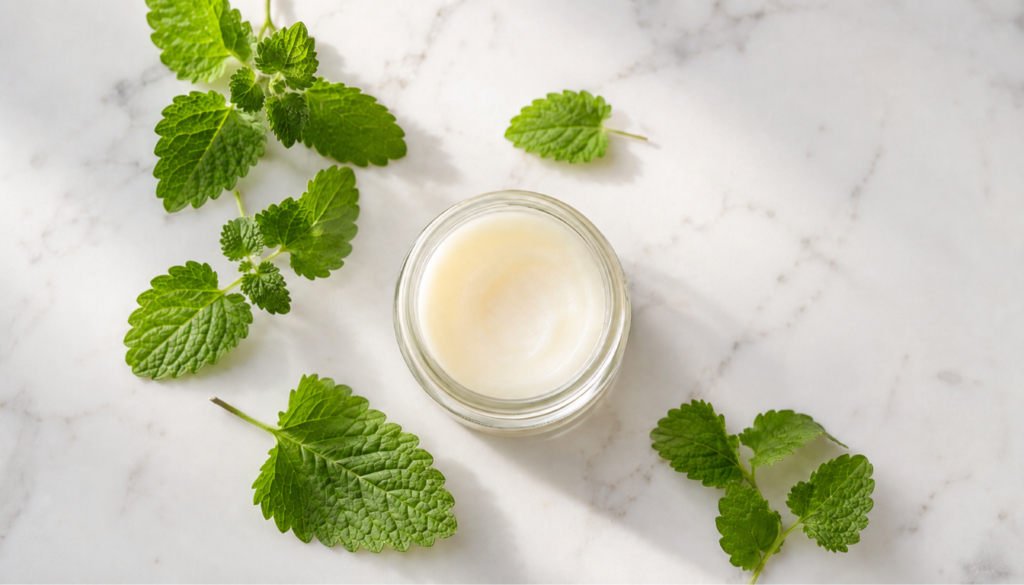
Lemon balm has a well-documented place in herbal skincare, with particular evidence for antiviral, antimicrobial, and anti-inflammatory topical applications.
Cold sores: Lemon balm cream is the most clinically supported topical herbal treatment for herpes simplex cold sores. Apply at the first tingle of an outbreak, four to five times daily until healed.
Acne-prone skin: Its antimicrobial and anti-inflammatory properties make it useful in toners and spot treatments for oily or acne-prone skin. A strong lemon balm tea used as a facial toner, applied with a cotton pad after cleansing, delivers these benefits in the simplest possible form.
Irritated or sensitive skin: An infused oil or an extract in creams and balms soothes redness, reduces inflammation, and provides a gentle astringent effect that tightens pores without stripping moisture.
Aromatherapy: Lemon balm essential oil diffused at home or added to a bath creates a genuinely calming atmosphere. Its uplifting citrus-herbal scent is distinct from lavender’s floral calm, more mentally stimulating while still reducing tension, making it better suited to daytime relaxation than pre-sleep use.
Safety and Precautions
Lemon balm is among the safest medicinal herbs available. The following precautions apply:
- Thyroid conditions: This herb has demonstrated mild thyroid-inhibiting activity in some studies. People with hypothyroidism or taking thyroid medication should consult their doctor before regular medicinal use
- Sedative medications: Lemon balm may enhance the effects of sedative medications including benzodiazepines and sleep aids. Consult your doctor if you take these regularly
- Pregnancy: Lemon balm tea in normal amounts is generally considered safe during pregnancy. Avoid high-dose supplements and essential oil internally during pregnancy
- Surgery: Discontinue lemon balm supplements at least two weeks before scheduled surgery as it may enhance anaesthetic sedation
- Children: It is considered safe for children in appropriate amounts. This is one of the most widely studied herbal remedies for childhood sleep disturbance and restlessness
Before You Go – Lemon Balm Benefits
Lemon balm is an exceptional herb that combines genuine clinical evidence with remarkable versatility. Few herbs address anxiety, sleep, digestion, cognitive function, and skincare simultaneously, and fewer still do so with a safety profile as well established as lemon balm’s. Whether used as a daily tea, a tincture, a culinary herb, or a topical preparation, it earns a permanent place in any home herbal medicine cabinet.
For a concentrated lemon balm preparation for acute anxiety and sleep, our Lemon Balm Tincture Recipe covers the full method, dosage, and application guide. For a daily tea routine, our Lemon Balm Tea Recipe: Benefits, Uses and How to Make It and When to Drink It covers everything you need to get started.
References – Lemon Balm Benefits
Little Herb Encyclopedia, by Jack Ritchason; N.D., Woodland Publishing Incorporated, 1995
The Ultimate Healing System, Course Manual, Copyright 1985, Don Lepore
Planetary Herbology, Michael Tierra, C.A., N.D., Lotus Press, 1988
Handbook of Medicinal Herbs, by James A. Duke, Pub. CRP Second Edition 2007
The Complete Medicinal Herbal, by Penelope Ody, Published by Dorling Kindersley
Related Articles
The Benefits and Uses of Red Lettuce for a Healthier Plate
Growing Black Bean Plants: A Guide to Success
Frequently Asked Questions – Lemon Balm Benefits
What is lemon balm used for medicinally?
It is clinically used for anxiety relief, sleep support, digestive complaints, and topical treatment of cold sores. Its primary active compound rosmarinic acid increases GABA activity in the brain, producing calming effects without sedation or cognitive impairment. It is one of the few herbs with strong clinical evidence across multiple health conditions simultaneously.
How long does lemon balm take to work for anxiety?
For acute anxiety relief, a standardised lemon balm extract produces measurable effects within one hour of consumption. For ongoing anxiety management, consistent daily use over two to four weeks produces the most reliable results. Lemon balm tea works more gradually than a concentrated extract but is effective for mild to moderate anxiety with regular daily use.
Can I use lemon balm every day?
Yes, it is safe for daily long-term use in tea and standard supplement doses. It has no known dependency risk and does not cause tolerance with regular use. People with thyroid conditions or those taking sedative medications should consult their doctor before daily medicinal use.
What does lemon balm taste like?
It has a mild, fresh lemon flavour with subtle herbal undertones. It is one of the most pleasant-tasting medicinal herbs and is well tolerated even by people who dislike stronger herbal teas. Fresh leaves have a more vibrant flavour than dried.
Is lemon balm the same as melissa?
Yes, melissa is simply the Latin botanical name (Melissa officinalis). Products sold as melissa tea, melissa oil, or melissa extract are the same herb. The name melissa derives from the Greek word for honeybee.
Can lemon balm help with IBS?
Yes, its antispasmodic volatile oils relax smooth muscle in the gastrointestinal tract, reducing the cramping, bloating, and abdominal pain associated with IBS. It is most effective for IBS with a stress or anxiety component, as it simultaneously addresses the gut symptoms and the nervous system tension that frequently triggers them.
Is lemon balm good for the skin?
Yes, lemon balm has clinically proven antiviral activity against herpes simplex virus, making lemon balm cream the most evidence-backed topical herbal treatment for cold sores. It also has antimicrobial and anti-inflammatory properties that make it useful for acne-prone, sensitive, and irritated skin in toners, creams, and balms.
Can lemon balm be used in cooking?
Yes, it is a versatile culinary herb with a fresh citrus flavour that works in salads, fish dishes, fruit desserts, drinks, and infusions. It is best used raw or added at the end of cooking as heat degrades its volatile oils and flavour quickly.