
The Herb Prof Team researches and writes our herbal guides, drawing on published research, traditional herbal references, and hands-on growing experience.
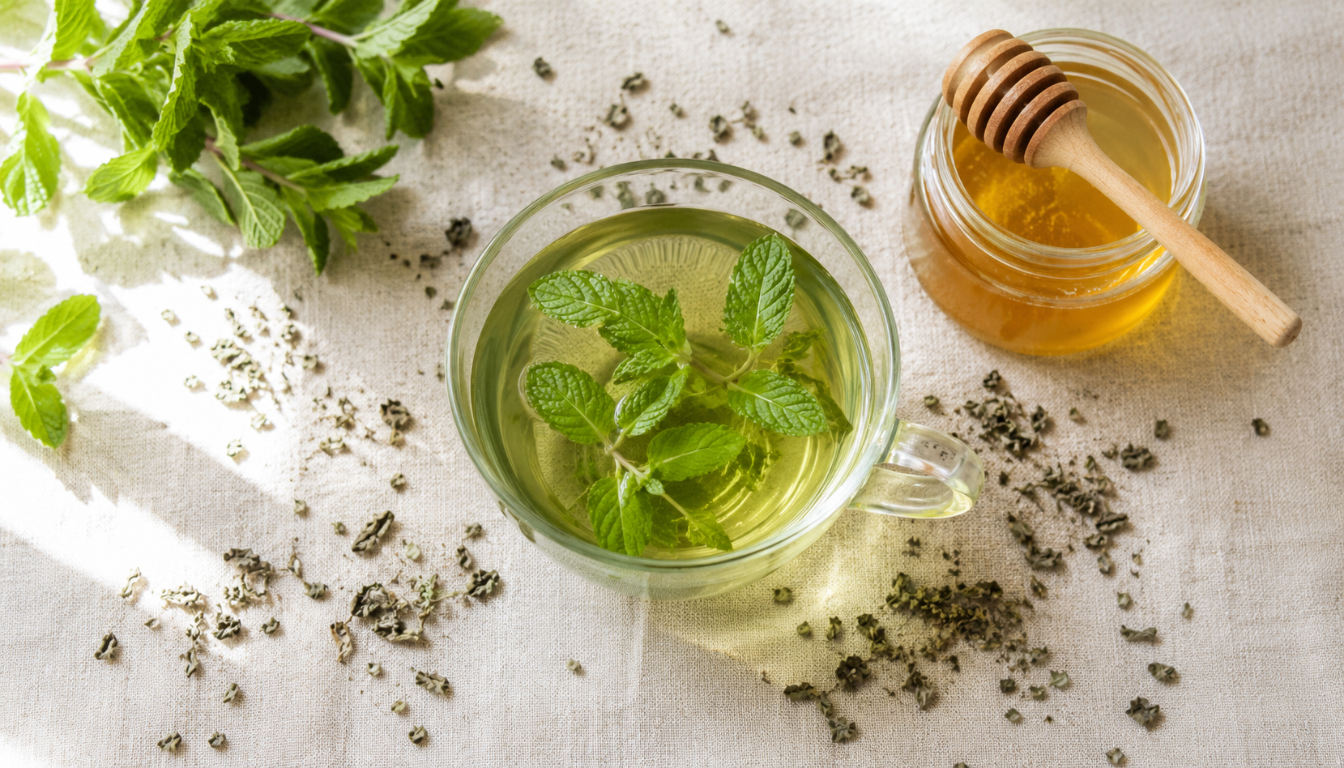
Peppermint tea is one of the most widely consumed herbal teas in the world, and for good reason. Made from the leaves of Mentha × piperita, it offers a genuinely pleasant way to support digestion, focus, and general wellness, with real research behind some of its effects and reasonable traditional use behind others, in one of the most accessible and pleasant-tasting preparations in herbal medicine. This guide covers the science behind peppermint tea, five ways to make it at home, and exactly when to drink it for maximum benefit.
What Makes Peppermint Tea Effective
Peppermint tea’s active compounds, primarily menthol, menthone, and rosmarinic acid, survive the brewing process in meaningful concentration. Their effects range from well-documented, in the case of alertness and focus, to traditionally supported but less rigorously studied for tea specifically, in the case of digestion, oral health, and respiratory comfort.
Menthol is the dominant compound, comprising 35–55% of peppermint’s essential oil. It relaxes smooth muscle in the gastrointestinal tract, activates cooling receptors in the mouth and throat, and produces mild analgesic and decongestant effects.
Rosmarinic acid is a polyphenol with significant antioxidant and anti-inflammatory properties. It contributes to peppermint tea’s immune-supporting and anti-inflammatory effects and is present in meaningful quantities even in standard tea preparations.
Unlike many herbal teas where the active compounds are largely destroyed by heat, peppermint’s volatile oils are released effectively by hot water, meaning the tea genuinely carries meaningful amounts of its active compounds, not just flavor and aroma.
Health Benefits of Peppermint Tea
Digestive Relief
Peppermint, especially in concentrated forms, is among the better-studied herbs for digestive complaints. Menthol relaxes the smooth muscle of the gastrointestinal tract, reducing cramping, bloating, and the uncomfortable sensation of fullness after meals.
A 2014 meta-analysis in the Journal of Clinical Gastroenterology confirmed that peppermint preparations significantly reduce global IBS symptoms and abdominal pain. That meta-analysis focused on concentrated, enteric-coated capsules rather than tea, which delivers a much lower dose of active compounds. Peppermint tea is still traditionally used and widely reported to ease mild digestive discomfort, but it hasn’t been studied with the same rigor as the capsule form.
Peppermint tea also stimulates bile flow from the gallbladder, which aids fat digestion and reduces the sluggish, heavy feeling after rich meals. Drinking a cup 20–30 minutes after eating is the most effective timing for digestive support.
One important caution: people with acid reflux or gastro-oesophageal reflux disease (GORD) should use peppermint tea cautiously. Menthol relaxes the lower oesophageal sphincter, which can worsen reflux symptoms. Chamomile or spearmint tea are better choices if reflux is an issue.
Mental Clarity and Focus
Peppermint tea has a well-documented stimulating effect on alertness and cognitive performance. Menthol inhalation, which occurs naturally as you drink a hot cup of tea, activates the trigeminal nerve and increases alertness without the cardiovascular stimulation of caffeine. A 2016 study published in Plant Science Today (Moss et al.) found that peppermint tea consumption significantly improved long-term memory, working memory, and alertness compared to chamomile tea and hot water controls.
Peppermint tea is caffeine-free, making it a useful afternoon or evening focus aid that will not disrupt sleep. For people who want mental clarity without caffeine dependency, a cup of peppermint tea in the early afternoon is a genuinely effective option.
Respiratory Support
The menthol in peppermint tea acts as a natural decongestant when inhaled as steam during drinking. It reduces the subjective sensation of nasal congestion and soothes irritated throat tissue. Peppermint oil has shown some antibacterial activity in lab studies, though it’s not established whether tea, a much more diluted form, provides the same effect. A warm cup of peppermint tea during a cold, flu, or seasonal allergy flare provides immediate symptomatic comfort and supports recovery.
Oral Health
Peppermint oil has shown antimicrobial activity against bacteria linked to bad breath and dental decay in lab studies. A 2013 laboratory study published in the European Journal of Dentistry (Thosar et al.) found peppermint oil showed meaningful antimicrobial activity against common oral bacteria, though this was tested in vitro rather than as a head-to-head comparison with chlorhexidine mouthwash in actual use, and it tested the oil rather than brewed tea specifically. Drinking peppermint tea is a pleasant way to support fresh breath, though its direct effect on oral bacteria hasn’t been established the way the concentrated oil has.
Antioxidant and Immune Support
Peppermint tea is a meaningful source of rosmarinic acid, luteolin, and hesperidin, polyphenols with antioxidant and anti-inflammatory properties. Regular consumption contributes to reduced oxidative stress and supports immune function over time. While peppermint tea should not be positioned as an acute immune remedy, it is a genuinely beneficial daily addition to a health-conscious routine.
How to Make Peppermint Tea: 5 Ways
1. Standard Peppermint Tea: The Everyday Base
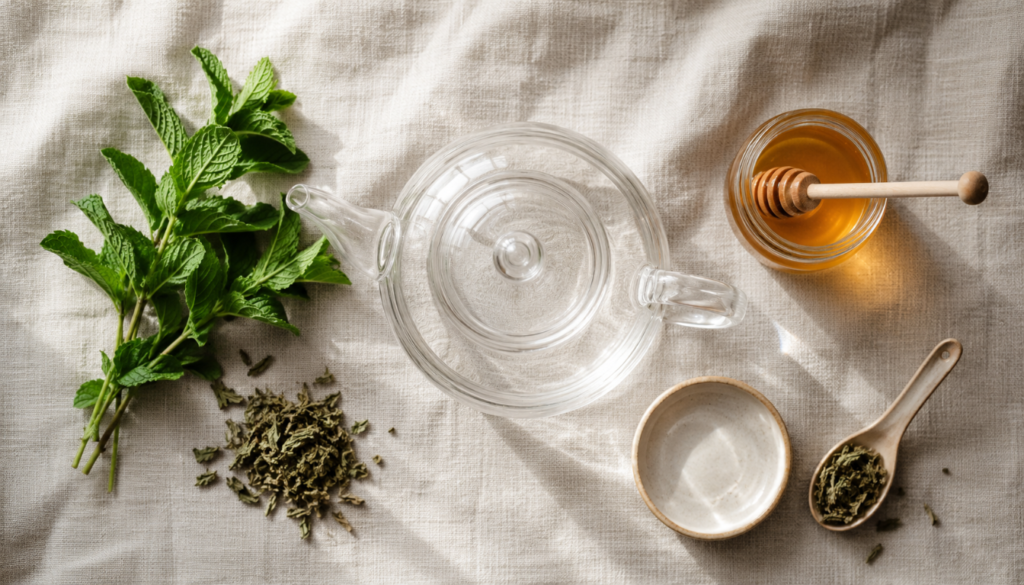
This is the most versatile preparation, and the best-supported one for focus and alertness specifically, with traditional use behind its digestive and general wellness benefits.
What you need:
- 1–2 teaspoons of dried peppermint leaves, or a small handful of fresh leaves (approximately 5–6 sprigs)
- 250ml freshly boiled water
- A teapot or cup with a lid, or a small saucer to cover the cup
Method:
- Place the peppermint leaves in a teapot or infuser
- Pour freshly boiled water over the leaves
- Cover and steep for 7–10 minutes. Covering the cup is important as it traps the volatile oils that would otherwise escape as steam
- Strain and drink
The longer steep time of 7–10 minutes produces a significantly more potent tea than the 3–5 minutes often suggested on tea bag packaging. For medicinal purposes, always aim for a full 7 minutes minimum.
Add a teaspoon of raw honey after steeping if desired, not during, as heat degrades honey’s beneficial enzymes.
2. Iced Peppermint Tea: For Focus and Summer Hydration
Cold peppermint tea retains the digestive and focus benefits of hot tea and is particularly refreshing as a daily hydration drink.
Method:
- Brew a double-strength batch. Use 2 teaspoons of dried leaves or two tea bags per 250ml of water, steep for 10 minutes
- Allow to cool to room temperature
- Pour over ice in a tall glass or pitcher
- Add a squeeze of fresh lemon juice and a sprig of fresh peppermint to serve
- Sweeten with honey or agave if desired
Double-strength brewing compensates for dilution from the ice and ensures the finished drink retains its therapeutic potency.
3. Peppermint and Ginger Tea: For Digestive and Nausea Relief
Ginger (Zingiber officinale) has strong clinical evidence for nausea relief, its gingerols and shogaols directly reduce nausea signals in the gut-brain axis. Peppermint’s role here is more traditional, its smooth-muscle relaxation is a reasonable complement to ginger’s better-established antinausea effect, rather than an equally proven one. This blend is particularly effective for travel sickness, morning nausea, post-meal discomfort, and IBS flares.
Method:
- Bring 2 cups of water to a gentle simmer in a small saucepan
- Add 1 tablespoon of fresh peppermint leaves and 1 teaspoon of freshly grated ginger
- Simmer gently for 5 minutes and do not boil hard as this degrades the volatile oils
- Strain into a cup
- Add honey or lemon to taste
4. Chamomile and Peppermint Tea: For Evening Relaxation and Sleep
Peppermint and chamomile are complementary herbs that work through different mechanisms. Peppermint relaxes the digestive tract and clears the airways. Chamomile’s apigenin compounds bind to benzodiazepine receptors, producing a mild sedative and anxiolytic effect. Together they make one of the most effective natural evening teas for winding down, easing post-dinner digestive discomfort, and preparing the body for sleep.
Method:
- Combine 1 teaspoon of dried peppermint leaves and 1 teaspoon of dried chamomile flowers in an infuser
- Pour 250ml of freshly boiled water over the blend
- Cover and steep for 7–10 minutes
- Strain, add honey if desired, and drink 30–45 minutes before bed
5. Peppermint and Lemon Cold Brew: For Daily Hydration
Cold brewing produces a smoother, less intense peppermint tea that is ideal for drinking throughout the day as a healthy hydration alternative to water or sugary drinks.
Method:
- Add a large handful of fresh peppermint leaves to a 1-litre glass jug or jar
- Add 3–4 slices of fresh lemon
- Fill with cold filtered water
- Refrigerate for 6–8 hours or overnight
- Strain and drink throughout the day
Cold brew peppermint tea retains the antioxidant polyphenols effectively and produces a subtler, more refreshing flavour than hot-brewed tea.
When to Drink Peppermint Tea
| Time | Best preparation | Primary benefit |
|---|---|---|
| Morning | Standard hot tea | Focus, alertness, digestion |
| After meals | Standard hot tea | Digestive relief, bloating |
| Afternoon | Iced or cold brew | Focus without caffeine |
| During a cold or flu | Hot standard tea, inhale steam | Respiratory relief, decongestant sensation |
| Before bed | Peppermint and chamomile blend | Relaxation, sleep support |
| During nausea | Peppermint and ginger | Nausea relief, gut calm |
Choosing Your Peppermint
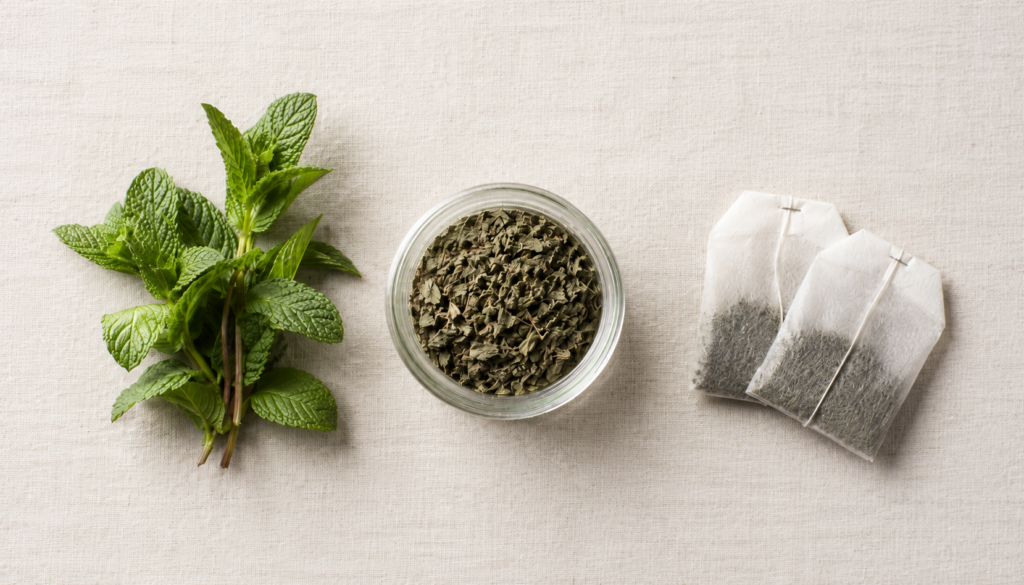
Fresh leaves produce the most aromatic and flavourful tea. Look for bright, unblemished green leaves with a strong minty scent. Grow your own in a pot on a windowsill for a year-round supply, peppermint is one of the easiest herbs to grow at home.
Dried loose-leaf peppermint is the most practical option for consistent daily use. Store in an airtight glass jar away from light and heat. Good quality dried peppermint retains its potency for 12 months.
Tea bags are convenient but variable in quality. Choose bags that contain only pure peppermint with no fillers or flavourings. Single-herb peppermint bags from reputable herbal brands are a reliable everyday option.
Always use Mentha × piperita (peppermint) rather than spearmint (Mentha spicata) for the strongest medicinal effect. Spearmint is milder and better suited to digestive and hormonal support, peppermint delivers the stronger menthol concentration needed for the benefits described in this article.
Safety and Precautions
Peppermint tea is among the safest herbal teas available and is well tolerated by the vast majority of people. The following apply:
- Acid reflux or GORD: Avoid or use cautiously as menthol relaxes the lower oesophageal sphincter and can worsen reflux. Choose chamomile or spearmint instead
- Children under two: Avoid peppermint tea because menthol can cause respiratory distress in very young children
- Pregnancy: Peppermint tea in normal amounts, one to two cups daily, is generally considered safe. Avoid high-dose preparations and consult your midwife if in doubt
- Medication interactions: Peppermint may affect the absorption of some medications. If you take prescription medications, drink peppermint tea at least two hours apart from your medication dose and consult your doctor if unsure
Before You Go – Peppermint Tea Recipes
Peppermint tea is a genuinely pleasant herbal preparation, with solid research behind its effect on focus and alertness specifically, and more traditional, less rigorously studied support for its digestive, respiratory, and oral health benefits. The five recipes above cover everything from a simple daily cup to targeted blends for specific health needs, making peppermint tea one of the most versatile additions to a home herbal medicine routine.
For a deeper comparison of peppermint and spearmint across all applications, our Spearmint vs Peppermint: Choosing the Best Mint for You guide covers the full clinical picture of both mints. For a more concentrated peppermint preparation for headache relief, our Peppermint Tincture: Natural Relief for Headaches covers the full recipe and application method.
Sources
- Khanna, R., MacDonald, J.K., and Levesque, B.G. “Peppermint oil for the treatment of irritable bowel syndrome: a systematic review and meta-analysis.” Journal of Clinical Gastroenterology, 2014: https://pubmed.ncbi.nlm.nih.gov/24100754/
- Moss, M., Jones, R., Moss, L., Cutter, R., and Wesnes, K. “Acute consumption of Peppermint and Chamomile teas produce contrasting effects on cognition and mood in healthy young adults.” Plant Science Today, 2016: https://horizonepublishing.com/journals/index.php/PST/article/view/246
- Thosar, N., Basak, S., Bahadure, R.N., and Rajurkar, M. “Antimicrobial efficacy of five essential oils against oral pathogens: An in vitro study.” European Journal of Dentistry, 2013: https://pubmed.ncbi.nlm.nih.gov/24966732/
- McKay, D.L., and Blumberg, J.B. “A review of the bioactivity and potential health benefits of peppermint tea (Mentha piperita L.).” Phytotherapy Research, 2006: https://onlinelibrary.wiley.com/doi/10.1002/ptr.1936
References – Peppermint Tea Recipes
Little Herb Encyclopedia, by Jack Ritchason; N.D., Woodland Publishing Incorporated, 1995
The Ultimate Healing System, Course Manual, Copyright 1985, Don Lepore
Planetary Herbology, Michael Tierra, C.A., N.D., Lotus Press, 1988
Handbook of Medicinal Herbs, by James A. Duke, Pub. CRP Second Edition 2007
The Complete Medicinal Herbal, by Penelope Ody, Published by Dorling Kindersley
Related Articles
Herb to Lower Cortisol: Solution for Stress Management
Rosemary Tincture Recipe: Make Your Own Herbal Remedy
Frequently Asked Questions – Peppermint Tea Recipes
Is peppermint tea good for IBS?
The strongest evidence is for concentrated, enteric-coated peppermint oil capsules, not tea specifically. Tea is traditionally used and widely reported to help with mild digestive discomfort, but it hasn’t been studied with the same rigor. For diagnosed IBS, talk to a doctor about whether capsules, which deliver a more concentrated dose directly to the intestines, might be worth exploring.
How long should I steep peppermint tea?
For medicinal benefit, steep for 7–10 minutes with the cup or pot covered. Covering the vessel traps the volatile oils that carry the active compounds. Without a cover, a significant proportion of the menthol escapes as steam. The 3–5 minutes suggested on most tea bag packaging produces a pleasant drink but a weaker therapeutic effect.
Can I drink peppermint tea every day?
Yes, it is safe for daily consumption for most adults. One to three cups daily is a reasonable therapeutic range. People with acid reflux or GORD should use it cautiously, as menthol can worsen reflux symptoms. In that case, chamomile or spearmint tea are better daily choices.
Is peppermint tea safe during pregnancy?
In normal amounts, one to two cups daily, is generally considered safe during pregnancy. Avoid high-dose preparations and herbal peppermint supplements during pregnancy. Always consult your midwife or doctor before adding any herbal tea to your routine during pregnancy.
Can I use spearmint instead of peppermint for tea?
Yes, but the effects differ. Spearmint produces a milder, sweeter tea with lower menthol content. It is better suited to digestive support, hormonal balance, and daily use for people who find peppermint too intense. For the more established focus and alertness benefits, and for peppermint’s generally stronger flavor and menthol content, peppermint is the more effective choice. For digestion specifically, the difference between the two is less clearly established in tea form.
Does peppermint tea help with headaches?
Drinking peppermint tea provides mild headache relief, primarily through the inhalation of menthol vapour as you drink. For significant tension headache relief, topical peppermint essential oil or peppermint tincture applied directly to the temples is far more effective as it delivers menthol directly to the pain site at a much higher concentration than tea alone provides.
What is the best peppermint tea for health benefits?
Loose-leaf dried peppermint from a reputable herbal supplier or freshly picked garden peppermint (Mentha × piperita) produce the strongest medicinal tea. If using tea bags, choose single-ingredient pure peppermint bags from a trusted herbal brand. Avoid blended teas where peppermint is one of many ingredients, the concentration will be too low for meaningful therapeutic effect.