
The Herb Prof Team researches and writes our herbal guides, drawing on published research, traditional herbal references, and hands-on growing experience.
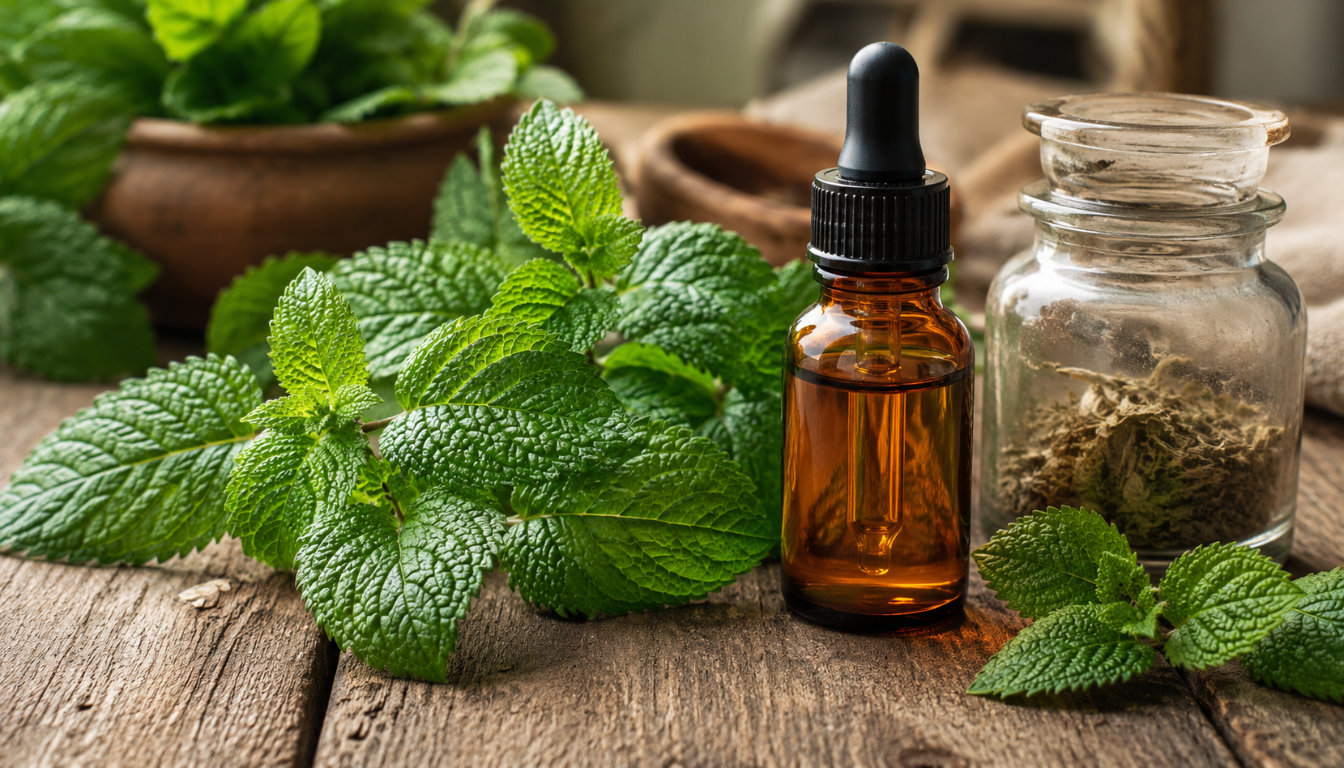
Lemon balm tincture is one of the most effective and versatile preparations in home herbal medicine. Made from the leaves of Melissa officinalis, it concentrates the herb’s active compounds, primarily rosmarinic acid, citral, and apigenin, into a stable, fast-acting liquid that delivers stronger and more reliable results than tea alone. This guide covers the clinical evidence, the exact recipe, dosage for every use case, and full safety notes so you can make and use lemon balm tincture with confidence.
Why Make a Tincture Rather Than Tea
Lemon balm tea is an excellent daily preparation, but a tincture has distinct advantages for specific situations. Alcohol extraction pulls both the water-soluble and fat-soluble active compounds from the plant, producing a more complete and concentrated preparation than water infusion alone. A tincture also allows precise dosing in drops, has a shelf life of two to five years compared to tea’s immediate use, and is absorbed faster when held under the tongue before swallowing.
For acute anxiety relief, digestive cramping that needs fast resolution, sleep support, or topical application to cold sores, a tincture is the more appropriate preparation. For daily gentle maintenance and the simple pleasure of a warm drink, tea is the better choice. Both have a place in a well-stocked home herbal cabinet.
What the Research Says
Lemon balm’s active compounds are well characterised and their mechanisms of action are clinically established. Rosmarinic acid inhibits GABA transaminase, the enzyme that breaks down gamma-aminobutyric acid in the brain. By slowing this breakdown, it increases GABA activity, producing calming and anxiolytic effects through the same pathway targeted by pharmaceutical benzodiazepines, without the dependency risk or cognitive impairment.
A 2004 double-blind crossover study published in Psychosomatic Medicine found that lemon balm extract at 300–600mg significantly reduced anxiety and improved mood and calmness in healthy adults. The study confirmed no impairment of cognitive performance at these doses.
A 1999 double-blind placebo-controlled trial confirmed that topical lemon balm preparation significantly reduced healing time for herpes simplex cold sores and reduced recurrence frequency with regular use. For digestive complaints, a 2013 clinical trial found that a preparation including lemon balm significantly reduced bloating, abdominal pain, and nausea in patients with functional dyspepsia compared to placebo.
A separate clinical trial found lemon balm significantly reduced the frequency of heart palpitation episodes and lowered anxiety scores in affected patients, a well-evidenced use that is often overlooked. A 2024 systematic review confirmed that lemon balm also shows promise for cognitive enhancement and mood improvement, extending its benefits well beyond anxiety and digestion.
What You Need
Essential Ingredients
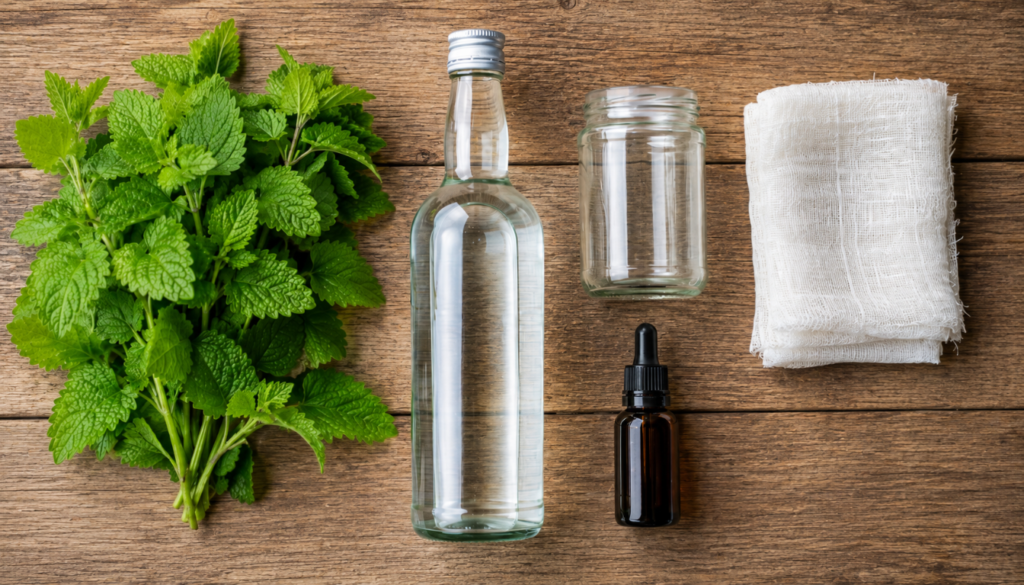
- Fresh lemon balm leaves: 1 cup loosely packed, or ½ cup dried. Fresh leaves harvested in the morning before the plant flowers produce the most potent tincture. Use Melissa officinalis specifically, not lemon verbena or lemon thyme, which have different therapeutic profiles
- High-proof alcohol: 1 cup of 80–100 proof (40–50% ABV) vodka. This concentration extracts both water-soluble and fat-soluble compounds effectively. Brandy is a good alternative and adds a pleasant flavour. Never use rubbing alcohol or denatured spirits as they are toxic
- A sterilised glass jar: pint or quart-sized with a tight-fitting lid. Glass is essential as alcohol will leach compounds from plastic during the weeks of steeping
- A dark glass dropper bottle: for storing the finished tincture. Dark glass protects rosmarinic acid and volatile terpenes from light degradation
- Fine mesh strainer or cheesecloth: for straining the finished tincture
Optional Additions
- 1 teaspoon dried chamomile flowers: adds apigenin-based sedative effects, excellent for sleep-focused tinctures
- 1 teaspoon dried lavender buds: linalool compounds complement lemon balm’s anxiolytic effects for stress and tension
- 1 teaspoon fresh grated ginger: adds warming antispasmodic properties, particularly useful if the tincture is primarily for digestive support
- A small strip of lemon peel: enhances the citrus aroma and adds natural oils that complement lemon balm’s volatile terpenes
For a Non-Alcoholic Version
Replace the vodka with vegetable glycerine. Use the same method and steeping time. A glycerine-based tincture is milder and less concentrated than an alcohol preparation but is a good option for those who avoid alcohol. Use a 1:2 ratio of herb to glycerine for fresh leaves and 1:5 for dried.
Lemon Balm Tincture Recipe: Step by Step
Preparation time: 15 minutes
Steeping time: 4–6 weeks
Yield: Approximately 200ml of finished tincture
Step 1: Prepare the lemon balm
If using fresh leaves, rinse thoroughly under cold water and pat dry. Tear or roughly chop the leaves to break the cell walls and begin releasing the essential oils. This step significantly increases the potency of the finished tincture. If using dried leaves, crush them lightly between your palms before adding to the jar.
Step 2: Fill the jar
Place the prepared lemon balm into the sterilised glass jar, filling it to approximately three-quarters full. If using optional additions, add them now. Pour the alcohol over the herb, ensuring all plant material is fully submerged. Any leaves above the alcohol line risk mould growth during steeping.
Step 3: Seal and store
Seal the jar tightly and label it clearly with the date and contents. Store in a cool, dark cupboard away from direct heat and light. Shake the jar gently every 2–3 days throughout the steeping period to agitate the plant material and encourage thorough extraction.
Step 4: Steep
Allow the tincture to steep for 4–6 weeks. Four weeks produces a good quality tincture. Six weeks produces a stronger, more concentrated preparation. If this is your first batch, a five-week steep is a reliable middle ground.
Step 5: Strain and bottle
After steeping, strain the tincture through a fine mesh strainer or cheesecloth into a clean bowl, pressing the plant material firmly to extract all liquid. Pour the finished tincture into dark glass dropper bottles using a small funnel. Label each bottle with the preparation date and a use-by date two years from the preparation date.
Dosage and How to Use It
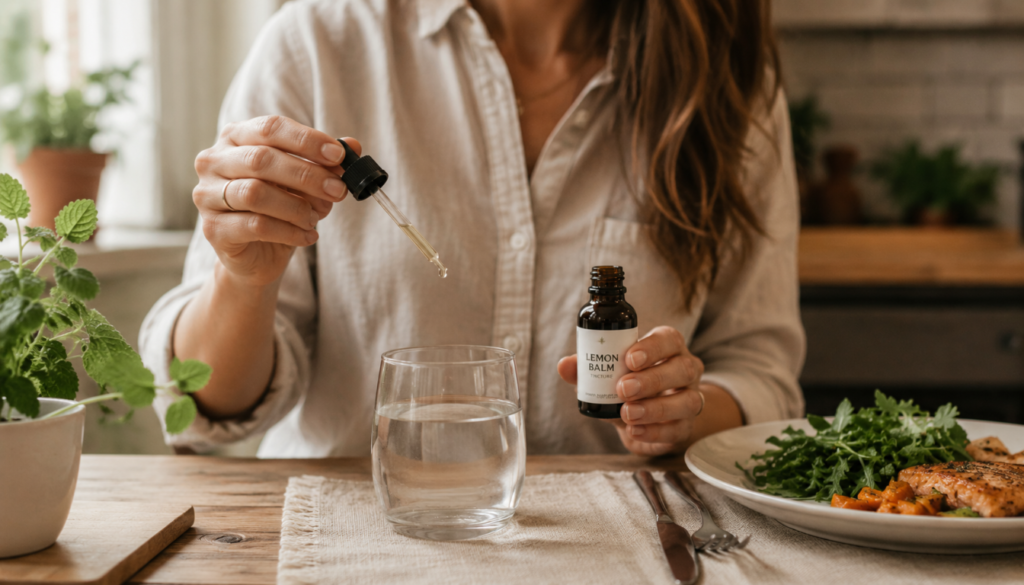
A pharmacokinetics study found that taking rosmarinic acid with food increases absorption and delays peak concentration. In practice this means: take your dose fasted for fastest onset during acute anxiety, and take it with a small snack before bed for a slower, sustained release that supports overnight sleep.
For Anxiety and Stress Relief
Take 1–2 dropperfuls (30–60 drops) in a small glass of water or peppermint tea, two to three times daily. For acute stress or anxiety, hold the drops under the tongue for 30 seconds before swallowing for faster absorption into the bloodstream. Effects are typically noticeable within 30–60 minutes.
For ongoing anxiety management, consistent daily use over two to four weeks produces the most reliable results as rosmarinic acid levels build in the system.
For Sleep Support
Take 2 dropperfuls (approximately 60 drops) in water or chamomile tea 30–45 minutes before bed. For moderate sleep difficulty, combine with a valerian root tincture. The lemon balm and valerian combination has the strongest clinical evidence for sleep support and has been shown to be as effective as pharmaceutical benzodiazepines in controlled trials without dependency risk.
For Digestive Relief
Take 1–2 dropperfuls in a small glass of warm water immediately after meals or at the onset of bloating, cramping, or digestive discomfort. The antispasmodic volatile oils begin relaxing the gastrointestinal smooth muscle within 20–30 minutes. For IBS with a stress component, the internal dose addresses both the gut symptoms and the nervous system tension triggering them simultaneously.
For Cold Sores: Topical Application
Apply the tincture directly to the cold sore at the first sign of tingling or outbreak using a clean cotton swab. Apply four to five times daily until healed. The antiviral activity of citral and rosmarinic acid against herpes simplex virus type 1 is clinically documented. Early application at the tingle stage produces the best results and may prevent the blister from fully developing.
Safety and Precautions
Lemon balm tincture is well tolerated by the majority of adults when used as directed. The following precautions apply:
- Thyroid conditions: Lemon balm has demonstrated mild thyroid-inhibiting activity in some studies. People with hypothyroidism or taking thyroid medication should consult their doctor before regular use
- Sedative medications: Lemon balm may enhance the effects of sedative medications including benzodiazepines, sleep aids, and anaesthetics. Consult your doctor if you take any of these regularly
- Pregnancy: Avoid medicinal-dose lemon balm tincture during pregnancy. Normal culinary amounts and occasional lemon balm tea are generally considered safe. Always consult your midwife before use
- Surgery: Discontinue lemon balm tincture at least two weeks before scheduled surgery as it may enhance anaesthetic sedation
- Driving: At standard doses lemon balm does not impair cognitive function or reaction time. At high doses it may cause mild drowsiness so exercise caution if sensitive
- Children: Lemon balm is one of the most widely studied herbal remedies for childhood sleep disturbance and restlessness and is considered safe for children in appropriate doses. Consult a healthcare provider for age-appropriate dosing
- Liver safety: The NCBI LiverTox database confirmed in 2024 that lemon balm has not been linked to liver injury or raised liver enzymes at recommended doses, making it safe for long-term use in healthy adults.
Storing Your Tincture
Store finished tincture in dark glass dropper bottles in a cool, dark cupboard away from direct light and heat. Do not refrigerate as the cold can cause compounds to crystallise and cloud the tincture.
An alcohol-based lemon balm tincture remains potent for two to five years when stored correctly. A glycerine-based tincture has a shorter shelf life of 12–18 months. Always label every bottle with the preparation date and use-by date and check for any changes in smell or colour before use after extended storage.
Before You Go – Lemon Balm Tincture Recipe
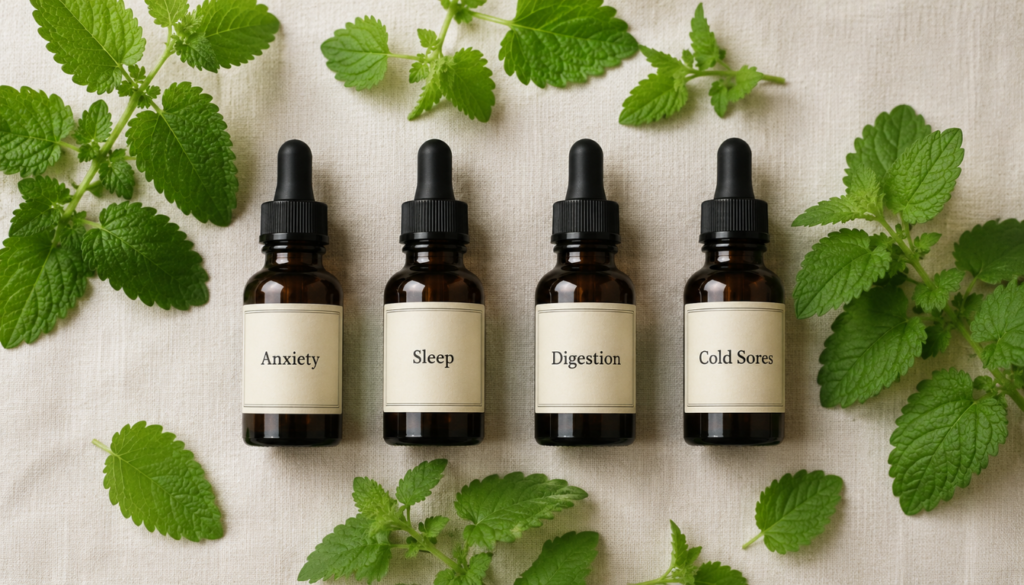
This lemon balm tincture recipe delivers the herb’s full spectrum of active compounds in a concentrated, fast-acting, and long-lasting form that covers anxiety, sleep, digestion, and cold sores in a single bottle.
For a full profile of lemon balm’s health benefits, culinary uses, and skincare applications, our Lemon Balm: Health Benefits, Uses and How to Use It covers everything in one comprehensive guide. For a gentler daily lemon balm preparation, our Lemon Balm Tea Recipe: Benefits, Uses and How to Make It covers the tea-based approach in full.
References – Lemon Balm Tincture Recipe
Little Herb Encyclopedia, by Jack Ritchason; N.D., Woodland Publishing Incorporated, 1995
The Ultimate Healing System, Course Manual, Copyright 1985, Don Lepore
Planetary Herbology, Michael Tierra, C.A., N.D., Lotus Press, 1988
Handbook of Medicinal Herbs, by James A. Duke, Pub. CRP Second Edition 2007
The Complete Medicinal Herbal, by Penelope Ody, Published by Dorling Kindersley
Related Articles
Yarrow Tincture Recipe: How to Make Your Own Herbal
Red Clover Tincture Recipe: A Step-by-Step Guide
Skullcap Tincture Recipe: How To Do Your Herbal Extract
Frequently Asked Questions – Lemon Balm Tincture Recipe
What is the difference between lemon balm tincture and lemon balm tea?
Tea is a water infusion that extracts water-soluble compounds and is best for gentle daily support. A tincture uses alcohol to extract both water-soluble and fat-soluble active compounds, producing a more concentrated preparation that is faster-acting, more precisely dosed, and lasts two to five years. For acute anxiety, sleep support, digestive cramping, and cold sore treatment, tincture is the more effective delivery method.
How long does it take for lemon balm tincture to work?
Taking a dose sublingually for anxiety and stress relief, effects are typically noticeable within 30–60 minutes. Sleep support works best when taken 30–45 minutes before bed, with most people noticing improved sleep quality within the first week. Applied topically to cold sores at the first tingle, a reduction in symptoms typically begins within 24–48 hours of starting treatment.
Can I use dried lemon balm leaves instead of fresh?
Yes. Use approximately half a cup of dried leaves to one cup of alcohol. Dried leaves produce a slightly less aromatic tincture but are equally effective for rosmarinic acid extraction. Ensure the dried herb is from a reputable supplier and is no more than 12 months old for best potency.
What is the best alcohol for lemon balm tincture?
80–100 proof (40–50% ABV) vodka is ideal. This concentration effectively extracts both the water-soluble and fat-soluble active compounds. Brandy is a good alternative and produces a pleasant flavour profile. Avoid spirits below 40% ABV as they produce a weaker tincture and have a shorter shelf life.
How long does homemade lemon balm tincture last?
An alcohol-based tincture stored in a dark glass bottle away from heat and light remains potent for two to five years. A glycerine-based tincture lasts 12–18 months. Always label with a preparation date and check for changes in smell or appearance before use after extended storage.
Can I combine lemon balm tincture with other herbs?
Yes, lemon balm combines particularly well with valerian for sleep, chamomile for anxiety and evening relaxation, and ginger for digestive support. These combinations are well established in traditional herbal medicine and have complementary rather than competing mechanisms of action. Always research any herb you add and consult a healthcare provider if you take prescription medications.
Is lemon balm tincture safe to take every day?
Daily use at standard doses is considered safe for healthy adults. For ongoing anxiety and digestive support, consistent daily use over two to four weeks produces the most reliable results. People with thyroid conditions, those taking sedative medications, and pregnant women should consult a healthcare provider before daily medicinal use.
Sometimes it is difficult to buy alcohol in anything but plastic. Are the plastics leached in before you even start?
That’s a very good question. If the alcohol was sold commercially in a plastic bottle, the bottle should be made from material intended for food and beverage use. However, that doesn’t necessarily mean there is absolutely zero migration of compounds from the plastic into the alcohol over time.
For making a tincture, I would still transfer the alcohol into a clean glass jar as soon as you begin your preparation. The bigger concern is allowing a high-alcohol mixture to sit in plastic for the entire 4–6 week extraction period, which is why I recommend glass for tincturing.
So, if the only alcohol you can find comes in plastic, I wouldn’t necessarily avoid using it for that reason alone. I would simply buy it, transfer what you need into a sterilised glass jar, add your herb, and carry out the tincturing process in glass. For the finished tincture, I would also store it in a dark glass bottle rather than plastic.