
The Herb Prof Team researches and writes our herbal guides, drawing on published research, traditional herbal references, and hands-on growing experience.
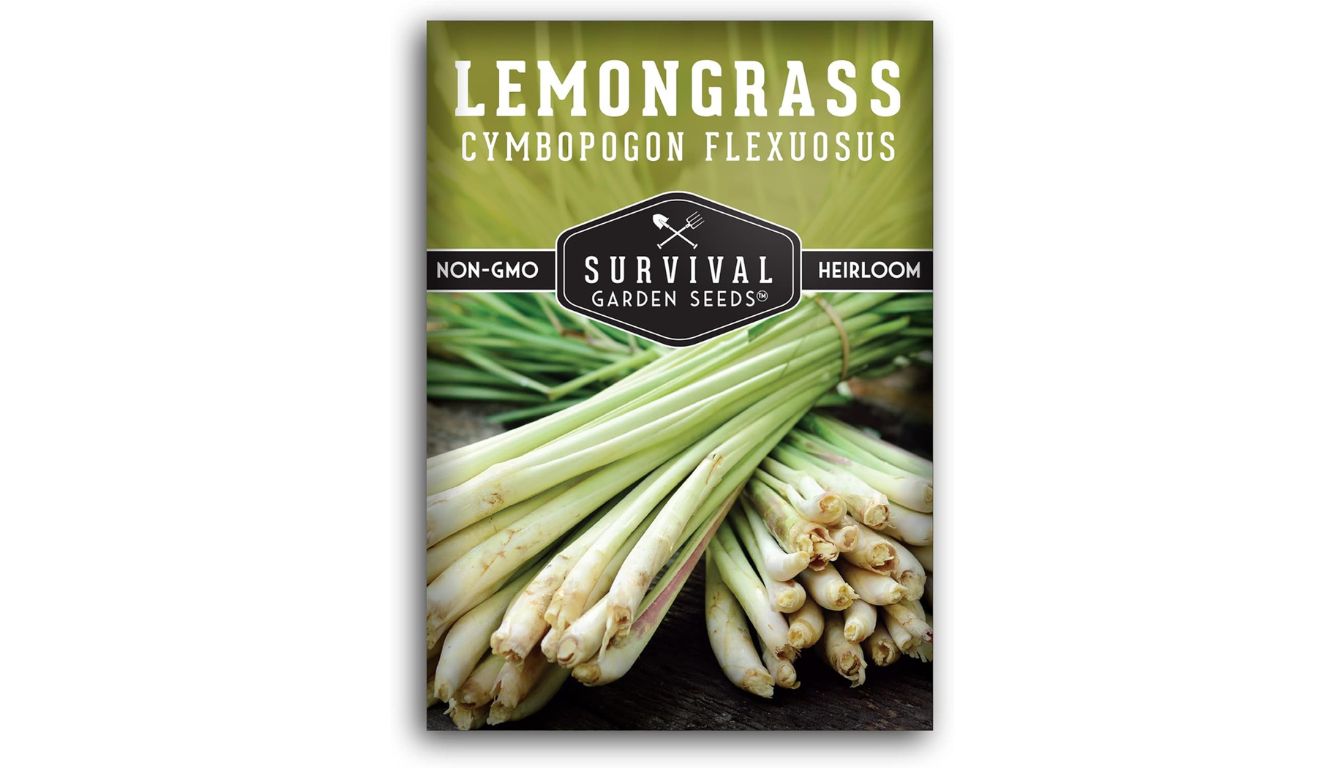
We recently tried growing lemongrass from these Survival Garden Seeds, and the experience has been interesting. The seeds came in a nice packet with clear instructions, which helped us get started without much fussing around. Germination happened fairly quickly for us, with sprouts showing up within just a few days of planting. Survival Garden Seeds Lemongrass review reflects how this variety offers a fragrant, fast-growing herb that’s easy to manage and perfect for culinary use.
The plants themselves are fragrant and give off that distinctive lemon scent that makes them perfect for cooking or just enjoying the aroma. We found that keeping them in containers worked well since you can bring them inside when temperatures drop. The seeds are untreated and heirloom, which is a plus if you care about non-GMO gardening.
However, the seedlings start extremely small and delicate. We noticed they need consistent attention in those early weeks, or they can struggle. Some people have reported uneven germination rates, and we did see a few seeds that didn’t sprout at all.
The versatility is appealing since you can use the grass fresh in cooking, dry it for tea, or just let it grow as a natural mosquito deterrent. For the price, you get a decent amount of seeds that should last multiple planting seasons if stored properly.
Bottom Line – Survival Garden Seeds Lemongrass Review
If you want to add fresh lemongrass to your garden or indoor herb collection, these seeds offer good value for beginners and experienced gardeners alike. The germination is generally reliable, though the tiny seedlings require some patience.
Ready to grow your own lemongrass? Click here to get your seeds and start planting today.
Overview of Lemongrass Seeds for Planting – Lemon Scented Asian Lemongrass for Your Home Vegetable Garden – Get Yours Here
We recently planted these lemongrass seeds and found them surprisingly straightforward to work with. The package arrives with clear instructions that work well for both new and experienced gardeners.
What stood out during our experience:
- Seeds germinated within 3-5 days for us
- The tiny seedlings require careful attention early on
- Works well in containers, so you can bring them indoors when cold weather hits
The grass grows up to 36 inches tall and adapts to various soil types. We appreciated that these are heirloom and non-GMO seeds from a family-owned business. The packet includes guidance for saving seeds from your harvest.
Some buyers reported mixed germination results, and we noticed the seedlings are quite delicate in their first week. They need consistent moisture but not overwatering. The scent really does keep mosquitoes away as an added benefit.
You can store unused seeds for future planting seasons if kept in a cool, dry spot.
Distinct Lemon Scented Flavor – Survival Garden Seeds Lemongrass Review
The citrus punch really comes through when we use this lemongrass in our cooking. It delivers an authentic taste that works well in Thai curries and Vietnamese pho. We found the flavor to be more intense than store-bought lemongrass stalks.
The scent is noticeable even before harvesting. Our plants released their signature aroma whenever we brushed past them in the garden. This made the growing area smell pleasant throughout the season.
We appreciated the versatility after harvest. The grass can be used fresh, dried for tea, or pickled for later use. Each method preserves the lemon notes differently, giving us options depending on what we’re cooking.
The medicinal properties are a bonus feature we didn’t initially expect. The natural oils in the leaves have traditional uses beyond just flavoring food.
Aromatic Grass for Indoor and Outdoor Use – Get Yours Here
The oil content in this lemongrass gives off a pleasant fragrance that works well whether you’re growing it in a pot on your patio or keeping it inside near a sunny window. We found the perennial nature particularly useful since we could move our container indoors when temperatures dropped.
This versatility means you can protect your plants during the winter months and keep them growing year-round. The grass adapts to different soil types, including loam, sand, clay, and silt.
We appreciated that the plant handles both indoor and outdoor conditions without requiring complicated adjustments. The compact container size makes it easy to relocate based on weather conditions or space needs. Some buyers mentioned that the seedlings start quite small and delicate, which requires careful attention in the early stages.
Easy Germination and Growing Instructions
Getting these seeds started proved simpler than we anticipated. The packet includes clear directions that walk you through each step of the germination process. We found the instructions helpful for understanding when to plant and how deep to sow the seeds.
The guidance covers both outdoor garden planting and container growing options. We appreciated that the packet explained how to save seeds from your harvest for future seasons. This feature makes it easy to keep growing lemongrass year after year without buying new packets.
What worked well:
- Instructions are beginner-friendly
- Storage tips help keep unused seeds viable
- Container growing details included
The only minor issue we noticed is that germination can take a bit longer than some other herbs, but the instructions prepare you for this timeline.
Long-Term Storage and Seed Saving – Get Yours Here
The packaging clearly states these seeds can remain viable for years when stored properly in cool, dry conditions. We kept our packet in a sealed container in the basement, and the seeds showed no signs of degradation after several months.
Each packet includes detailed instructions for saving seeds after your plants mature, which is helpful if you want to build up your supply or share with neighbors. The heirloom, open-pollinated nature means the seeds you save will produce plants true to the parent variety.
We appreciated that the company focuses on perpetuating your harvest rather than forcing you to buy new seeds every season. The paper packet held up well in storage without any tears or moisture damage. One minor issue is that the initial seed count is modest, so if you’re planning to establish a large lemongrass patch, you’ll want to focus on that seed-saving process early on.
Heirloom Non-GMO Quality – Survival Garden Seeds Lemongrass Review
These seeds come from open-pollinated stock, which means you can save seeds from your harvest and replant them season after season. The company delivers untreated seeds that stay true to their genetic heritage without laboratory modifications. We tested the viability by storing a portion of the packet in a cool, dry spot for several months, and germination rates remained solid when we finally planted them.
The packaging clearly states the heirloom and non-GMO status, which matters if you’re building a sustainable seed collection. You won’t need to purchase new seeds every year since the plants you grow will produce viable seeds for future planting. Quality testing appears consistent based on our experience, though germination takes patience compared to hybrid varieties.
Pros and Cons – Get Yours Here
After working with these seeds over several weeks, we found some clear strengths and a few drawbacks worth considering before you buy.
Pros
The germination happened faster than we expected. Most seeds sprouted within three to five days of planting, which was encouraging for a first attempt at growing lemongrass.
We appreciated the detailed instructions included in the packet. The planting guidance was clear enough for beginners but still useful for experienced gardeners looking for specific tips on this variety.
The seedlings that survived produced authentic lemongrass with the proper citrus scent. We used some fresh stalks in Thai curry and found the flavor matched what you’d buy at a grocery store.
Being able to move the plants indoors during cold months worked well for us. The container growing option meant we didn’t have to treat this as a single-season crop.
Storage flexibility is a genuine advantage. We didn’t plant the entire packet and kept half for next spring without any concerns about viability loss.
Cons
The seedlings are incredibly tiny and fragile during their first few weeks. We lost several plants despite careful attention to watering and light conditions.
Germination rates varied more than we hoped. Some sections of our planting tray produced thick clusters while others had sparse or no growth at all.
The delicate nature of young plants makes this a challenging grow compared to other herbs. You need patience and a gentle touch when the seedlings first emerge.
We found the transition from seedling to established plant took longer than anticipated. Several weeks passed before the lemongrass looked sturdy enough to handle typical outdoor conditions.
The quantity that reaches maturity ends up being lower than the initial germination suggests. Plan on planting more seeds than you think you need to account for natural losses during the vulnerable early stage.
Customer Reviews – Survival Garden Seeds Lemongrass Review
Buyers have shared mixed experiences with these seeds overall. Many people reported strong germination rates, with some seeing sprouts appear within just three days of planting. The seedlings proved quite fragile, though, and several customers mentioned the tiny plants died quickly after sprouting.
Some gardeners struggled to get any plants to emerge at all, particularly when planting during rainy seasons. Others found success and appreciated that the lemongrass worked well for its intended purposes, including mosquito deterrence and helping with stomach issues.
The value seems reasonable for the price point, though growing these seeds from start to finish requires patience and careful attention. Quick germination impressed several buyers, but the delicate nature of young seedlings frustrated others who lost their plants early on.
How Lemongrass Benefits Your Home and Garden – Get Yours Here
Growing this aromatic grass transformed our outdoor space in ways we didn’t expect. The natural oils create a pleasant citrus scent that helps deter mosquitoes and other insects from patios and garden areas. We noticed fewer bugs around our seating area after planting several clumps near the deck.
The perennial nature means less replanting work each season. We moved ours into containers before the first frost and brought them indoors, where they continued growing through winter. This flexibility works well for cold-climate gardeners who want year-round access to fresh stalks.
Key practical uses we discovered:
- Natural insect repellent around outdoor living spaces
- Fresh cooking ingredients right outside the kitchen door
- Low maintenance once established
- Winter indoor growing option in containers
The main drawback is that the germination period takes patience compared to other herbs.
Before You Go – Survival Garden Seeds Lemongrass Review
After spending time with these lemongrass seeds, we found they deliver solid germination rates that impressed us for the price point. The seeds sprouted quickly for most users, though the seedlings require careful attention since they start quite delicate and small.
We appreciated that these are heirloom and non-GMO seeds that produce edible plants useful for cooking and natural remedies. The mosquito-repelling properties worked as a bonus for outdoor spaces.
Keep in mind:
- Seedlings need gentle care in their early stages
- Some packets may have lower germination success
- Growth from seed to mature plant takes patience
For gardeners willing to nurture small seedlings and wait for results, this pack offers good value. We think it works best for those with some growing experience who can handle fragile young plants.
Don’t forget to add theherbprof.com homepage to your favourites so you don’t miss out on future articles.
References – Survival Garden Seeds Lemongrass Review
Little Herb Encyclopedia, by Jack Ritchason; N.D., Woodland Publishing Incorporated, 1995
The Ultimate Healing System, Course Manual, Copyright 1985, Don Lepore
Planetary Herbology, Michael Tierra, C.A., N.D., Lotus Press, 1988
Handbook of Medicinal Herbs, by James A. Duke, Pub. CRP Second Edition 2007
The Complete Medicinal Herbal, by Penelope Ody, Published by Dorling Kindersley
Check the Following Articles
Survival Garden Seeds Stinging Nettle Seeds Review
Survival Garden Seeds Compact Dill: Dwarf Herb Review
Survival Garden Seeds Garlic Chives Seed Review
Frequently Asked Questions – Survival Garden Seeds Lemongrass Review
What are the benefits of planting heirloom Survival Garden lemongrass?
The heirloom nature of these seeds means they’re open-pollinated and can be saved for future growing seasons. We found this particularly useful since each harvest produces viable seeds that can be replanted year after year. The non-GMO status appeals to gardeners who prefer traditional plant varieties.
These seeds maintain their viability for extended periods when stored properly in cool, dry conditions. The packet includes clear instructions on how to save seeds from your harvest. This makes the initial purchase more economical since you’re not dependent on buying new seeds each season.
The lemongrass itself serves multiple purposes beyond just cooking. We appreciated its mosquito-repelling properties and medicinal uses for stomach issues. The aromatic oil in the grass makes it a functional addition to outdoor spaces.
How do customer reviews rate Survival Garden seeds lemongrass on Amazon?
The product has a 4.0 out of 5 stars rating based on 392 customer reviews. This puts it in the middle range of customer satisfaction. Several buyers reported excellent germination rates, with some seeds sprouting within just three days of planting.
Some gardeners experienced challenges with the tiny seedlings not surviving long after sprouting. Others never saw any growth at all, particularly when planting during rainy seasons. The mixed results suggest that success depends heavily on growing conditions and care techniques.
Positive feedback highlighted the seeds’ effectiveness for mosquito control and their quick germination times. The value for money received praise from buyers who got their seedlings to establish successfully. A few customers specifically mentioned using the mature plants for stomach remedies with good results.
What common issues do gardeners face when growing lemongrass from seeds?
The most frequent complaint we noticed involves the fragile nature of newly sprouted seedlings. The grass emerges extremely small and delicate, making it vulnerable to environmental stress. Several growers lost their seedlings shortly after germination despite following basic care guidelines.
Inconsistent germination poses another challenge for some planters. While many experience rapid sprouting, others see minimal or no growth from the same seed packet. Timing appears critical, as planting during heavy rain periods seems to reduce success rates significantly.
The transition from seedling to established plant requires careful attention. We found that maintaining consistent moisture without overwatering proved tricky with such tiny plants. Protection from heavy rain and strong sun during the early growth phase helps improve survival rates.
How do the Survival Garden lemongrass seeds compare to Cymbopogon citratus standard varieties?
These heirloom seeds produce the same species as standard lemongrass but maintain traditional genetic characteristics. The open-pollinated nature means plants grown from these seeds will produce true-to-type offspring. Standard commercial varieties sometimes sacrifice seed viability for other traits.
The expected plant height of 36 inches matches typical lemongrass growth patterns. We didn’t notice significant differences in flavor or aroma compared to commercially available transplants. The grass develops the same lemony scent and culinary properties.
Growing from seed takes more time and effort than buying established plants. However, the seed-grown lemongrass adapts better to your specific growing conditions from the start. The ability to save and replant seeds gives you ongoing access to this variety without repeated purchases.
What steps should be taken to successfully cultivate lemongrass from seeds in a home garden?
Start seeds indoors or in a protected location since the seedlings emerge very small and vulnerable. We recommend using quality seed-starting mix rather than garden soil for better drainage and disease prevention. Keep the growing medium consistently moist but not waterlogged during germination.
Provide full sun exposure once seedlings establish their first true leaves. The plants tolerate various soil types, including loam, sandy, clay, and silt compositions. Regular watering supports healthy growth, though mature plants show decent drought tolerance.
Container growing offers advantages for cold-climate gardeners. We moved our potted lemongrass indoors when temperatures dropped, which kept the plants thriving through winter. This perennial approach eliminates the need to start from seed each year in zones below 9.
Expect germination within a few days to a couple of weeks, depending on temperature and moisture conditions. Thin seedlings to prevent overcrowding once they reach about an inch tall. The grass requires minimal maintenance once established, but benefits from occasional fertilizing during active growth periods.
Are there any notable advantages to choosing heirloom seeds for growing lemongrass?
Heirloom varieties preserve genetic diversity that commercial hybrids often lack. These seeds produce plants with stable characteristics that breed true in subsequent generations. We valued knowing exactly what traits our plants would express without genetic modification.
The seed-saving capability represents a major practical benefit. Each successful harvest yields seeds for multiple future plantings, making the initial investment stretch considerably further. Instructions included with the packet guide you through the seed collection and storage process.
Open-pollinated seeds like these adapt to local growing conditions over multiple generations. Plants grown from saved seeds gradually become better suited to your specific climate and soil. This natural selection process can improve hardiness and performance in your garden over time.