
The Herb Prof Team researches and writes our herbal guides, drawing on published research, traditional herbal references, and hands-on growing experience.
If you are looking for a natural approach to health that goes beyond treating symptoms, a herbalist naturopath may be worth exploring. This type of practitioner combines two disciplines: naturopathy, which works with the body’s ability to heal itself, and herbal medicine, which uses plants and plant-based remedies to support that process.
The result is a whole-person approach that considers your diet, lifestyle, emotional health, and physical symptoms together, rather than in isolation.
In this article, I will explain what a herbalist naturopath does, how they are trained, what treatments they use, and when this approach might be a good fit for you.
What Is a Herbalist Naturopath?
A herbalist naturopath is a practitioner who combines two natural health disciplines into one approach. Naturopathy works with the body’s own healing processes, using natural therapies to identify and address the root cause of health issues rather than simply suppressing symptoms. Herbal medicine adds a powerful layer to this, drawing on centuries of plant-based knowledge to support the body in a targeted and personalised way.
Together, these two disciplines form a comprehensive framework for health. Where a conventional doctor might treat a specific condition with medication, a herbalist naturopath looks at the full picture: your diet, lifestyle, stress levels, sleep, emotional state, and physical symptoms, all at once.
In practice, this means creating personalised plans that may include herbal formulas, nutritional guidance, and lifestyle changes, all tailored to your unique constitution and health goals. The aim is not just to relieve what is bothering you today, but to build a stronger, more resilient foundation for long-term health.
The Fundamentals of Naturopathy
Naturopathy is built on the idea that the body has an innate ability to heal itself when given the right conditions and support. Understanding the foundations of this approach can help you decide whether it aligns with what you are looking for.
History and Philosophy of the Herbalist Naturopath
The roots of naturopathy reach back to ancient Greece, where Hippocrates championed the idea that nature itself is the greatest healer. As a formal practice, naturopathy emerged in the 19th century as a response to the often harsh and ineffective treatments of conventional medicine at the time. From the beginning, its philosophy has centred on supporting the body’s natural processes rather than overriding them.
The Six Core Principles
Naturopathic medicine is guided by six core principles that shape every aspect of clinical practice:
- The healing power of nature
- Identify and treat the root cause
- First, do no harm
- Treat the whole person
- Doctor as teacher
- Prevention is the best cure
These principles are not just philosophy. They directly inform how a herbalist naturopath assesses your health, chooses treatments, and supports you over time.
Naturopathy vs Conventional Medicine
Conventional medicine excels at treating acute conditions, emergencies, and specific diseases. Naturopathy takes a different angle, focusing on the whole person and the conditions that allowed illness to develop in the first place. Rather than replacing conventional care, naturopathy works best as a complement to it, addressing lifestyle, nutrition, and long-term resilience alongside any medical treatment you may already be receiving.
What Does a Herbalist Naturopath Do?
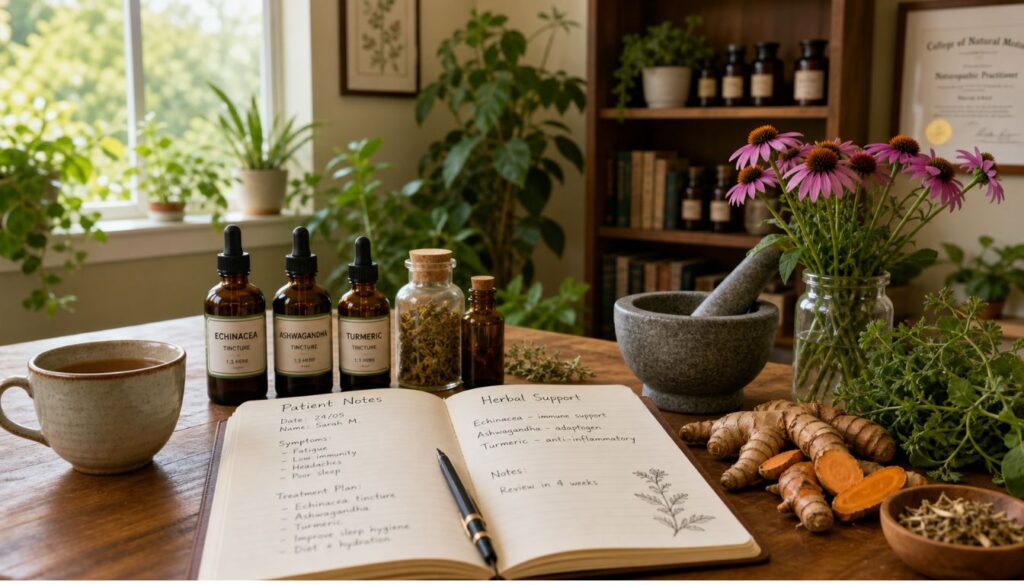
The role of a herbalist naturopath goes well beyond writing a list of herbal supplements. It involves a thorough, whole-person assessment followed by a personalised plan that draws on multiple natural therapies.
Herbalist Naturopath Diagnosis and Treatment
My approach to assessment starts with your full health picture. This includes your medical history, current symptoms, lifestyle habits, diet, stress levels, and emotional well-being. Rather than relying solely on lab results, I use a combination of physical observation, patient history, and detailed consultation to understand what is driving your symptoms.
From there, I develop a personalised treatment plan that may include herbal medicine, nutritional support, lifestyle changes, and other natural therapies. The plan evolves over time as your health improves.
How a Herbalist Naturopath Prescribes Herbal Medicine
One of the most important parts of my role is selecting and prescribing herbal medicine. This is not a one-size-fits-all process. I create custom herbal formulas based on your specific constitution, symptoms, and any medications you are already taking. The goal is a synergistic blend that supports your body gently and effectively, without unnecessary risk.
Herbal Medicine and Botanicals
Herbal medicine is one of the oldest forms of healthcare in the world, and modern research continues to validate what traditional practitioners have known for centuries.
Understanding Herbalism
Herbalism, also known as botanical or plant medicine, uses plants and plant extracts to promote health and support the body through illness. Custom-blended herbal formulas are a central part of my practice. By combining herbs in specific proportions, I can create a synergistic effect that addresses multiple aspects of your health at the same time.
Preparation of Herbal Remedies
Herbal remedies can be prepared in several ways depending on the herb and the intended use:
- Teas – herbs steeped in hot water, simple and effective for daily use.
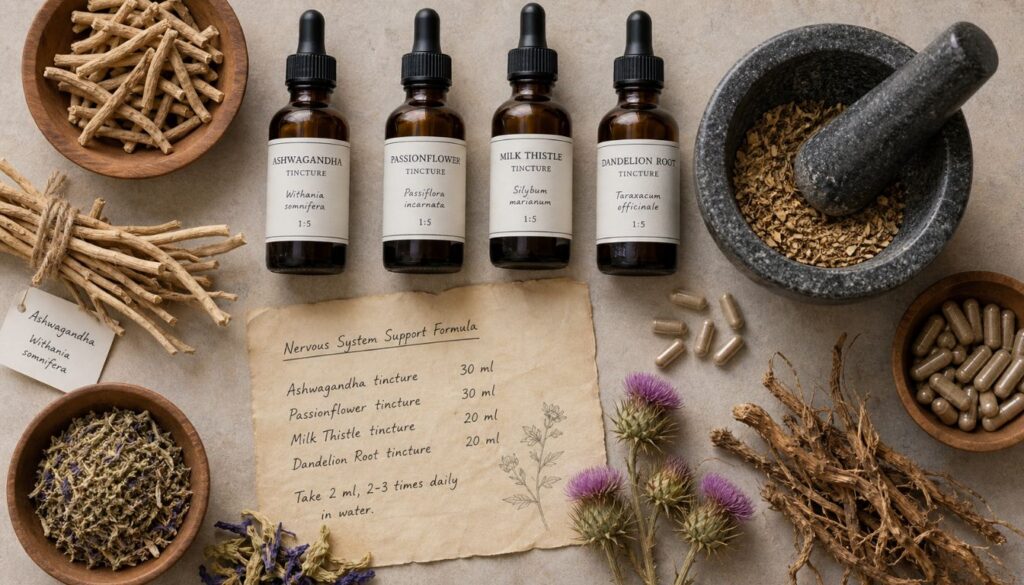
- Tinctures – herbs extracted in alcohol or glycerin, concentrated and easy to dose.
- Capsules – a convenient option for herbs with a strong taste or smell.
- Salves and topical preparations – used directly on the skin for localised conditions.
Each method has its strengths, and the choice depends on the herb, the condition, and what fits best into your daily routine.
Evidence-Based Treatments Used by Herbalist Naturopaths
I stay up to date with current research in botanical medicine and use this knowledge to inform every treatment plan. For example, echinacea has well-documented immune-supporting properties, ginger is effective for nausea, and ashwagandha is widely studied for its role in stress and adrenal support. Evidence and tradition work together in my practice, not against each other.
Integrative Naturopathic Treatments
A herbalist naturopath does not work with herbs alone. Integrative naturopathic care draws on a range of natural therapies to support the whole person.
Traditional Asian Medicine and Homeopathy
Homeopathy uses highly diluted substances to stimulate the body’s natural healing response. Traditional Asian medicine, which includes acupuncture and herbal therapies, takes a holistic approach to restoring balance and promoting health. Both can be used alongside naturopathic and herbal treatment depending on your needs.
Nutritional Counselling and Diet
Food is medicine. Nutritional counselling is a core part of integrative naturopathic care, helping to identify dietary patterns that may be contributing to your symptoms and replacing them with nourishing, therapeutic choices.
Exercise and Physical Medicine
Physical medicine, including massage, hydrotherapy, and chiropractic care, can help relieve pain and support the body’s healing processes. I work with patients to develop realistic exercise plans that are safe, appropriate, and sustainable for their individual health situation.
Managing Health and Chronic Conditions
Chronic conditions require a long-term, consistent approach. Natural medicine can play a meaningful role in managing symptoms and improving quality of life.
Herbalist Naturopath Approaches to Chronic Pain
Rather than relying solely on pain medication, I recommend a holistic approach to chronic pain that may include acupuncture, massage therapy, and herbal remedies such as turmeric and ginger. These options can help reduce inflammation and provide relief without the side effects associated with long-term pharmaceutical use.
Mental Health and Stress Management
Mental health is an essential part of overall wellness. I recommend mindfulness practices such as meditation and yoga alongside herbal support. Herbs like ashwagandha and passionflower have good evidence behind them for reducing stress and anxiety when used appropriately.
Herbalist Naturopath Preventative Strategies and Lifestyle Changes
Prevention is always better than cure. Dietary changes such as reducing refined sugar, increasing fibre, and supporting gut health can make a significant difference over time. Herbs like milk thistle and dandelion root can support liver health and aid the body’s natural detoxification processes as part of a broader preventative strategy.
The Role of Diagnostics in Naturopathy
Understanding how a herbalist naturopath approaches diagnosis can help set realistic expectations and show how this differs from a conventional medical assessment.
How a Herbalist Naturopath Conducts and Uses Lab Tests
Lab testing is a valuable diagnostic tool in naturopathic practice. Blood work and other tests can reveal underlying imbalances, deficiencies, or conditions that may be contributing to your symptoms. I use these results alongside my clinical assessment to build a complete picture of your health.
Understanding Symptoms and Physiology
In naturopathic medicine, symptoms are not the enemy. They are the body’s way of communicating that something needs attention. By listening carefully to my patients and understanding their symptoms in the context of their full health history, I can identify patterns that might be missed in a shorter conventional consultation.
How a Herbalist Naturopath Makes a Diagnosis
Using lab results, symptom analysis, and my knowledge of human physiology, I develop a naturopathic diagnosis that takes the whole person into account. This allows me to address the root cause of your health issues rather than managing surface-level symptoms.
Education and Qualifications of Herbalist Naturopath
The path to becoming a herbalist naturopath involves rigorous formal training, licensing requirements, and a commitment to ongoing learning. Here is what that journey typically looks like.
Naturopathic Medical School
Becoming a licensed naturopathic doctor requires graduating from an accredited naturopathic medical school. These programmes cover anatomy, physiology, biochemistry, pathology, botanical medicine, nutrition, homeopathy, and physical medicine, combining classroom instruction with clinical training.
Licensure and Regulations
After graduating, naturopathic doctors must pass the Naturopathic Physicians Licensing Exam (NPLEX), which covers basic sciences, clinical sciences, and therapeutic subjects. Licensing requirements then vary by country, state, or province and typically include ongoing continuing education each year.
Continuing Education
Continuing education keeps naturopathic practitioners current with developments in herbal medicine, nutrition, and integrative health. Courses are available online and in person through a range of accredited institutions, covering topics from advanced botanical medicine to acupuncture and physical therapy.
Professional Practice and Ethics
Building a naturopathic practice requires both strong clinical skills and clear ethical principles. As a herbalist naturopath, I believe in being transparent with patients about what natural medicine can and cannot do. When a patient’s needs fall outside the scope of naturopathic care, I refer them to the appropriate medical specialist without hesitation. Patient safety always comes first.
The Future of Naturopathy
Naturopathy is a growing field, but it faces real challenges that practitioners, researchers, and patients all have a role in addressing.
Research and Modern Science
One of the ongoing challenges in naturopathy is the need for more robust clinical research. While many natural remedies have centuries of traditional use behind them, expanding the evidence base through collaboration between naturopaths and conventional researchers will strengthen the field and improve patient outcomes.
Integrating with Conventional Medicine
Naturopathy works best alongside conventional medicine, not in opposition to it. Building stronger relationships between naturopathic practitioners and medical doctors will help patients receive more joined-up care, with each practitioner contributing what they do best.
Public Perception and Acceptance
As more people seek natural approaches to health, public understanding of naturopathy is growing. Education, transparency, and open engagement with sceptics will continue to be important in building well-founded trust in what naturopathic and herbal medicine can offer.
Before You Go – Herbalist Naturopath
A herbalist naturopath brings together the best of two natural health disciplines, offering a personalised, root-cause approach to health that goes well beyond symptom management. Whether you are dealing with a chronic condition, looking to improve your energy and resilience, or simply want a more natural framework for your health, this approach has a great deal to offer.
As with any healthcare decision, work with a qualified practitioner and keep your primary care doctor informed. Natural medicine is most powerful when it works as part of a complete picture of care.
Enjoyed this article? Add theherbprof.com homepage to your favourites and stay up to date with the latest herbal health guides and supplement reviews.
Please note: This article is for general educational purposes only and is not a substitute for personalised medical advice, diagnosis, or treatment. Always speak with a qualified healthcare provider about your own situation.
References – Herbalist Naturopath
Planetary Herbology, Michael Tierra, C.A., N.D., Lotus Press, 1988
Handbook of Medicinal Herbs, James A. Duke, 2nd ed., CRC Press
The Complete Medicinal Herbal, Penelope Ody, Dorling Kindersley
Related Articles
Herbal Distillate: A Guide to Its Production and Uses
Frequently Asked Questions – Herbalist Naturopath
What qualifications are needed to become a certified naturopathic herbalist?
In the United States, naturopathic doctors must complete a four-year graduate-level programme at a school accredited by the Council on Naturopathic Medical Education (CNME) and then pass the NPLEX licensing exam. Requirements vary by country and jurisdiction.
What are the potential risks associated with naturopathy treatments?
When practised by a trained and licensed professional, naturopathy is generally considered safe. As with any healthcare approach, risks exist and a qualified practitioner will assess and manage these on an individual basis.
How does the role of a naturopathic doctor differ from a traditional medical doctor?
Naturopathic doctors focus on the whole person and use natural therapies to address root causes. Conventional medical doctors typically focus on diagnosing and treating specific diseases, often using pharmaceuticals or surgery. The two approaches can work well together.
What is the typical educational path for becoming a naturopathic herbalist?
A bachelor’s degree is usually the starting point, followed by a four-year accredited naturopathic medical programme and a licensing exam. Additional herbal training or certifications are often pursued alongside or after formal study.
What are the primary benefits of seeking naturopathic treatment?
Personalised care, a focus on prevention, and a holistic assessment of health are the main benefits. Naturopathic doctors look for root causes rather than managing symptoms alone, and they place strong emphasis on diet, lifestyle, and long-term resilience.
How does naturopathic herbal medicine integrate into overall patient care?
Herbal medicine is one part of a broader naturopathic plan that may also include nutrition, lifestyle coaching, physical medicine, and other natural therapies. Everything is tailored to the individual patient and their specific health goals.