
The Herb Prof Team researches and writes our herbal guides, drawing on published research, traditional herbal references, and hands-on growing experience.
Oregano oil has been used for centuries as a natural remedy, and modern research is starting to explain many of its oregano oil benefits. Extracted from the leaves of the oregano plant, especially Mediterranean species, oregano oil is rich in two powerful compounds, carvacrol and thymol. These give oregano oil strong antioxidant, antifungal, and antibacterial properties. This is why many people use it for immune support, gut health, and everyday infections.
One of the most talked‑about benefits of oregano oil is its potential to support the immune system. It may also help the body fight off common viral and bacterial infections. It also appears to have anti‑inflammatory effects. This may make it helpful for easing minor aches, pains, and inflammatory digestive discomfort in some people.
In addition, many people use oregano oil to support digestion and reduce bloating and gas. Some also use it to address overgrowth of unwanted yeasts or fungi in the body. While research is still developing, its broad antimicrobial and antioxidant activity makes oregano oil a popular part of many natural health routines.
What is Oregano Oil?
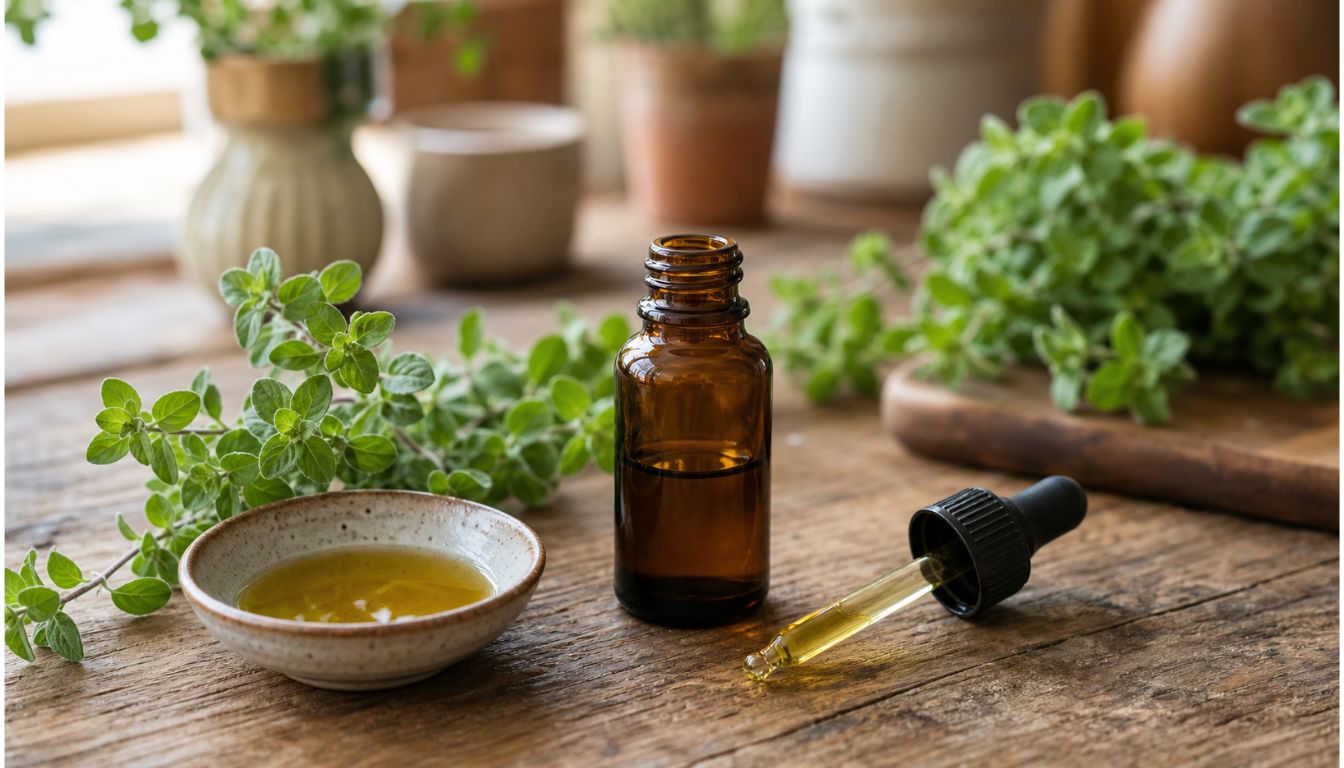
As the name suggests, producers make oregano oil by extracting the leaves and flowering tops of oregano plants, traditionally from Mediterranean species like Origanum vulgare. People have used it for centuries in folk medicine, and today you can buy it as liquid drops, softgel capsules, and concentrated essential oil.
Essential Oils Composition of Oregano
Oregano oil contains a mix of aromatic compounds that give it its strong scent and many of its effects. The two best‑studied are carvacrol and thymol. These phenols show antibacterial, antifungal, antioxidant, and anti‑inflammatory activity in lab and animal studies. Alongside these, oregano oil also includes terpenes such as linalool and pinene. These may further support its antimicrobial and antioxidant actions.
Different oregano species and growing conditions can change the exact balance of these compounds, so carvacrol and thymol content can vary between products. That is why many high‑quality supplements standardise the percentage of carvacrol on the label.
Key Oregano Oil Benefits
Oregano oil has been studied mainly for its antimicrobial, antioxidant, and anti‑inflammatory effects, which may translate into several practical health uses.
Natural Antibiotic Support
Oregano oil shows broad antibacterial and antifungal activity in lab studies, largely due to its carvacrol and thymol content. These compounds can damage the membranes of certain bacteria and yeasts. This is why oregano oil is often used in natural protocols for gut infections, overgrowths, and some skin and nail issues. Most of the evidence so far is preclinical. Even so, it suggests oregano oil may help support the body in fighting harmful microbes when used appropriately.
Immune and Respiratory Support
Because of its antimicrobial and anti‑inflammatory properties, many people use oregano oil at the first sign of a cold or respiratory infection. It may help ease symptoms such as congestion or throat irritation in some individuals. This is especially true when they combine it with rest and other supportive measures. However, it should be seen as a complementary approach, not a stand‑alone cure for infections.
Antioxidant and Anti‑inflammatory Effects
Carvacrol, thymol and other compounds in oregano oil act as antioxidants. They help neutralise free radicals that can damage cells over time. Early research also suggests oregano oil may help modulate inflammatory pathways. This could be relevant for general inflammatory discomfort and long‑term health, though human data are still limited.
Possible Metabolic and Cholesterol Effects (Early Evidence)
Some small studies and animal research have explored whether oregano extracts can influence cholesterol or metabolic markers. There are hints that certain preparations may help reduce oxidised LDL or support healthier lipid profiles. However, this evidence is still preliminary and not strong enough to treat oregano oil as a cholesterol‑lowering supplement on its own. Any potential metabolic benefits should be viewed as secondary to a solid diet and lifestyle.
Digestive and Gut Health Support
Traditionally, oregano and oregano oil have been used to support digestion, reduce bloating, and address unwanted gut microbes. Its antimicrobial effects may help rebalance the gut environment in some situations. Its bitter, aromatic nature can also stimulate digestive secretions. People with significant digestive symptoms should, however, work with a practitioner rather than self‑treating with high doses.
What About Cancer and Weight Loss?
Laboratory studies have found that concentrated oregano compounds can affect the growth of certain cancer cells in test tubes and animal models. These are early, experimental findings and do not mean oregano oil can treat or cure cancer in humans. It should never replace conventional cancer care.
Similarly, some sources suggest oregano oil might indirectly support weight management through effects on inflammation, microbes, or metabolism. However, there is very limited direct human evidence for oregano oil as a weight‑loss aid. For now, it is more accurate to say that oregano oil may support overall health when used appropriately. It should be used alongside, rather than instead of, a healthy diet and lifestyle.
If you’d like to explore more of the emerging research on oregano oil benefits, you can also read summaries from Healthline and WebMD, which discuss both potential uses and current evidence limits.
How to Use Oregano Oil Safely

Oregano oil is a powerful natural remedy, so how you use it matters. The form, dose, and duration should all match your needs and your practitioner’s advice.
Typical Dosage and Forms
For internal use, most people use oil of oregano in liquid or capsule form, not the pure essential oil. A common approach with liquid oil of oregano is to start low. For example, you might take 1–3 drops diluted in a carrier oil such as olive or coconut oil, once or twice daily for a short period, following the manufacturer’s directions. Capsules provide a pre‑measured dose and are often easier on taste and digestion, but you should still follow the product’s label and any professional guidance.
Oil of Oregano vs Oregano Essential Oil
People often confuse these two terms, but they do not refer to the same product. Manufacturers usually dilute oregano extract in a carrier oil to make oil of oregano, which people can take internally or use topically in small amounts.
Oregano essential oil is a highly concentrated, steam‑distilled oil primarily used in aromatherapy or diluted topical blends and is generally too strong to ingest undiluted. For the health benefits discussed in this article, oil of oregano (or supplements made from it) is usually the relevant form.
What to Look for When Purchasing
Quality varies widely between brands, so it pays to choose carefully. Look for products that:
- Use identified oregano species, often Origanum vulgare or related medicinal varieties
- Specify the carvacrol percentage, as this is one of the key active compounds
- Are produced using recognised methods such as steam distillation or CO₂ extraction
- Are free from unnecessary additives and clearly labelled with dosage instructions
If you are unsure, consult a qualified herbalist or healthcare professional to help you select a suitable product.
Safe Usage Guidelines
Because oregano oil is strong, it is best used short‑term and at modest doses. Higher or longer courses should only be used if a practitioner advises them. Always dilute liquid oregano oil in a carrier oil before oral or topical use to reduce the risk of irritation. Pregnant or breastfeeding women, young children, and people with significant medical conditions should avoid using oregano oil unless their healthcare provider explicitly approves it.
If you notice burning, rash, digestive upset, or other unexpected symptoms, stop using the product and seek professional advice.
Side Effects and Risks
Oregano oil is generally considered safe for most adults when used appropriately, but it can cause side effects and may not be suitable for everyone.
Potential Drug Interactions
Oregano preparations may interact with certain medications, including blood‑thinning drugs, some diabetes medications, and antihypertensive (blood pressure) drugs. Because it may influence clotting and metabolism, you should always speak with your doctor or pharmacist before using oregano oil. This is especially important if you take prescription medicines or have a diagnosed health condition.
Overconsumption Risks
Using too much oregano oil or taking it for long periods can increase the risk of side effects and, in extreme cases, toxicity. High intakes may lead to nausea, vomiting, diarrhoea, or irritation of the gut lining. Very concentrated products can also irritate the mouth and throat if they are not properly diluted. Sticking to recommended doses and timeframes is essential.
Common Side Effects
Some people are more sensitive to oregano oil than others. Possible side effects include:
- Skin irritation or burning if applied topically without enough dilution
- Digestive upset, such as stomach pain, nausea, or loose stools, especially at higher doses
- Allergic reactions in people sensitive to plants in the mint/Lamiaceae family, with symptoms such as rash, itching, or, rarely, swelling and breathing difficulty
Any signs of a serious allergic reaction (such as swelling of the face or throat, or trouble breathing) require immediate medical attention.
Best Practices for Safe Use
To reduce risk, always patch‑test diluted oregano oil on a small area of skin before wider use and avoid contact with eyes or mucous membranes. Do not use oregano oil right before or after surgery without medical advice, as it may affect bleeding and clotting. As a general rule, think of oregano oil as a short‑term support tool you use alongside, not instead of, appropriate medical care and a healthy lifestyle.
Major health sites such as WebMD also stress that oregano oil can interact with medications and may cause side effects at high doses. For this reason, it is important to discuss its use with your healthcare provider, especially if you take regular prescriptions.
Before You Go – Oregano Oil Benefits
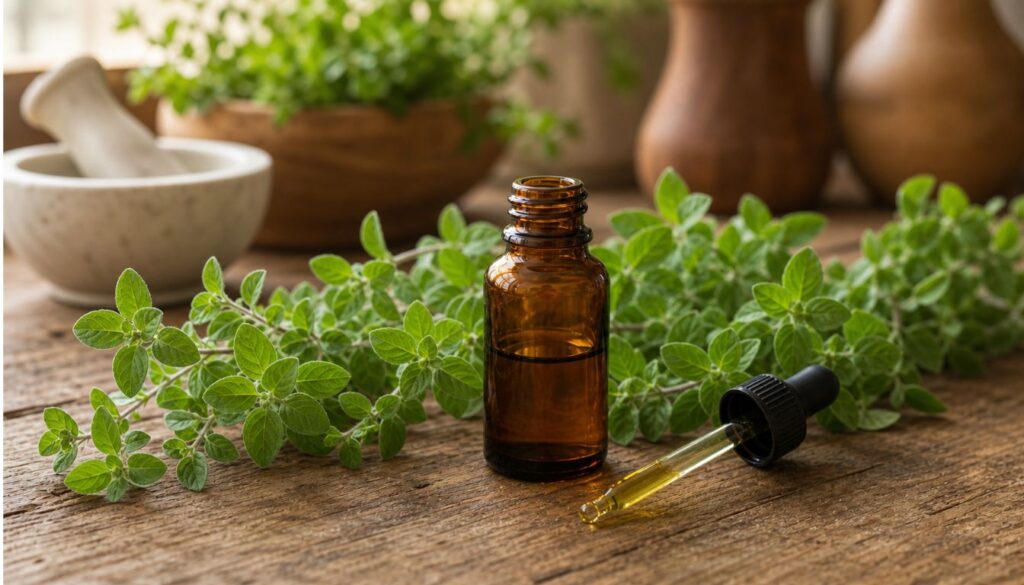
Oregano oil offers promising antimicrobial, antioxidant, and anti-inflammatory properties, which helps explain why it remains popular in natural wellness routines. It may support immune, respiratory, and digestive health, but the strength of evidence varies by use, and it should not replace proper medical care.
Used carefully, oregano oil can be a helpful short-term addition to a broader health plan. However, because it is highly concentrated and may interact with medications or irritate the skin and digestive tract, it is best used with caution and professional guidance when needed.
References – Oregano Oil Benefits
Little Herb Encyclopedia, by Jack Ritchason; N.D., Woodland Publishing Incorporated, 1995
The Ultimate Healing System, Course Manual, Copyright 1985, Don Lepore
Planetary Herbology, Michael Tierra, C.A., N.D., Lotus Press, 1988
Handbook of Medicinal Herbs, by James A. Duke, Pub. CRP Second Edition 2007
The Complete Medicinal Herbal, by Penelope Ody, Published by Dorling Kindersley
Related Articles
Herb Rosemary Potatoes: How to Make the Perfect Dish
Fenugreek Seeds Benefits: An Amazing Detailed Overview
Frequently Asked Questions – Oregano Oil Benefits
How should oregano oil be taken?
People usually take oil of oregano in diluted liquid form or as capsules, while pure oregano essential oil is generally reserved for aromatherapy or properly diluted topical use. Always follow the product label and avoid taking concentrated essential oil internally unless a qualified professional specifically advises it.
What are the benefits of oregano oil for colds?
Oregano oil may help support the body during colds because it contains antimicrobial and anti-inflammatory compounds. Some people use it for congestion, throat irritation, or general immune support, but it should be treated as a complementary remedy rather than a cure.
What are the benefits of homemade oregano oil?
Homemade oregano oil may offer some of the same aromatic and topical properties as commercial products, depending on how it is prepared. However, homemade oils vary widely in strength and purity, so they are less reliable than well-formulated products that clearly state species, concentration, and dosage guidance.
Are there benefits to taking oregano oil capsules?
Capsules offer a convenient, pre-measured way to take oregano oil and may be easier for people who dislike the taste of liquid preparations. They are often used for short-term immune or digestive support, but users should still follow label directions carefully.
What is the recommended oregano oil dosage?
There is no single universal dose, because dosage depends on the product, concentration, and intended use. In general, it is best to start with the manufacturer’s recommended low dose and avoid long-term or high-dose use without professional advice.
Can oregano oil be taken before bed?
Yes, some people take diluted oil of oregano or capsules in the evening. However, because it can irritate the stomach or throat in some users, it is wise to start with a low dose and see how your body responds.