
The Herb Prof Team researches and writes our herbal guides, drawing on published research, traditional herbal references, and hands-on growing experience.
If you have ever looked for a more natural way to support your health, you may have come across the term herbalist nutritionist. In simple terms, this is someone who combines holistic nutrition with herbal medicine to support the body as a whole. In this article, I will explain what a herbalist nutritionist does, how they are trained, and when this approach might be a good fit for you.
What Is a Herbalist Nutritionist?
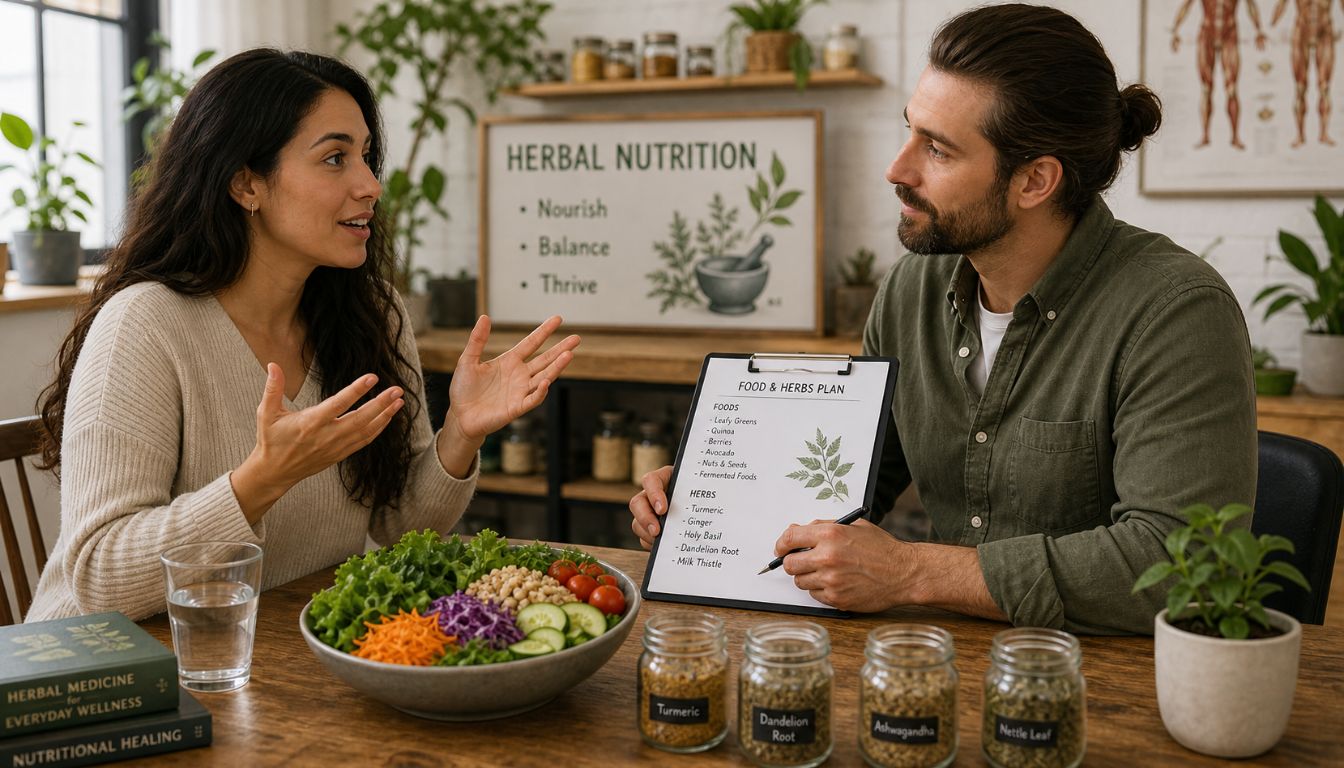
A herbalist nutritionist is a practitioner who uses both food and herbs as tools to support health. They look at your diet, lifestyle, and symptoms, then suggest changes that use nutrient‑dense foods alongside targeted herbal remedies. The focus is not only on what you eat but also on how your digestion, stress levels, and daily habits affect your overall well‑being.
Unlike a conventional dietitian who may focus mainly on macronutrients and medical nutrition therapy, a herbalist nutritionist tends to use a more holistic framework. They might consider emotional stress, sleep, and environment as well as lab results and medical history. Their work aims to support the body’s natural ability to rebalance itself rather than only suppressing symptoms.
What Does a Herbalist Nutritionist Do?
A herbalist nutritionist looks at the whole picture of your health: what you eat, how you live, and how your body responds, and then uses both food and herbs to support your goals in a practical way.
Core Services and Tools
In practice, a herbalist nutritionist offers a mix of nutrition and herbal support. Common services include:
- Reviewing your current diet and symptoms in detail.
- Creating personalised meal plans based on whole, minimally processed foods.
- Recommending specific herbs or herbal formulas that match your needs.
- Suggesting supplements where appropriate, such as vitamins, minerals, or probiotics.
- Coaching you through realistic lifestyle changes around stress, sleep, and movement.
They may also track progress over time and adjust your plan as your symptoms change. The aim is to create a step‑by‑step path that feels doable in real life, not a perfect plan that is impossible to follow.
How They Work With Other Practitioners
A herbalist nutritionist usually works as part of a wider care team. They do not replace your doctor, and they do not diagnose or treat medical conditions.
In many cases they will:
- Ask you to keep your primary care provider informed about any herbal or supplement use.
- Refer you back to a doctor or specialist if they see red‑flag symptoms.
- Collaborate with other practitioners such as naturopaths, acupuncturists, or therapists where needed.
This cooperative approach helps you get the benefits of holistic care while still staying safe and grounded in appropriate medical oversight.
Herbalist Nutritionist vs Nutritionist, Health Coach, and Herbalist
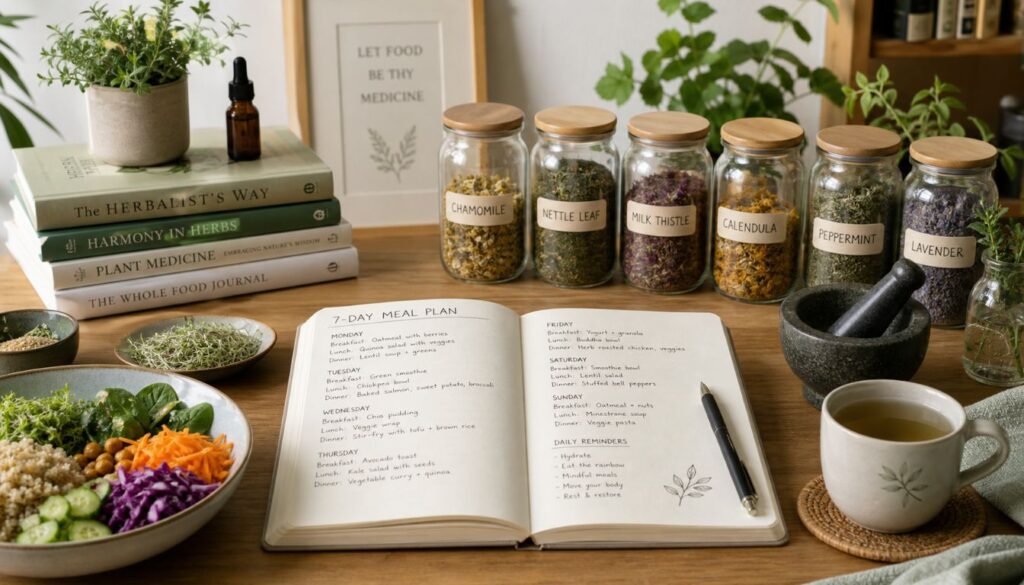
There is a lot of overlap between these roles, which can be confusing. Here is a simple breakdown.
- Nutritionist – Focuses mainly on food and nutrients. They may work on weight management, blood sugar balance, digestive issues, or sports nutrition. Depending on the country, the title may or may not be legally protected.
- Health coach – Helps clients set goals and change habits. A coach might work on motivation, daily routines, stress, and behaviour change. Some have extra training in nutrition, but others do not.
- Herbalist – Uses plants and plant‑based remedies to support health. This might include teas, tinctures, capsules, powders, or topical preparations. Herbalists often focus deeply on plant energetics, traditions, and materia medica.
- Herbalist nutritionist – Combines elements of all three. They use whole‑food nutrition as a base, add herbs for more targeted support, and often use coaching methods to help clients follow through.
Understanding these differences can help you choose the right person for your current needs. For example, if you mainly want diet advice without herbs, a general nutritionist might be enough. If you want food and herbs together in one plan, a herbalist nutritionist can make more sense.
Benefits of Working With a Herbalist Nutritionist
Working with a herbalist nutritionist can feel very different from following generic diet rules. Instead of trying to fix everything at once, you get step‑by‑step support that fits your body, your routine, and your health goals.
Individualised and Holistic Approach
One of the main benefits of working with a herbalist nutritionist is the personalised nature of the work. Instead of handing you a generic meal plan, they look at your constitution, symptoms, preferences, and daily life. Your plan is then tailored to you rather than to an “average” person.
This can feel very different from standard advice such as
“eat less sugar and more vegetables”. You may get specific ideas like which breakfast options stabilise your energy, which herbs calm your digestion, and how to pace changes so you do not feel overwhelmed.
Root‑Cause Focus
A herbalist nutritionist is usually interested in why your symptoms are happening, not just what to take for them today. For example, if you have heartburn, they might ask about stress, eating speed, trigger foods, and gut health instead of only suggesting a quick herbal antacid.
By working on underlying patterns such as blood sugar swings, chronic stress, or sluggish digestion, they aim to reduce the need for constant “firefighting”. The goal is better resilience and fewer flare‑ups over time.
Practical, Real‑World Tools
Theory is not enough if you cannot apply it. A good herbalist nutritionist focuses on practical steps, such as:
- Simple food swaps you can make without rebuilding your entire diet.
- Easy herbal preparations such as teas or tinctures that fit your routine.
- Batch‑cooking ideas, shopping lists, or snack suggestions.
- Gentle lifestyle changes that build momentum instead of perfectionism.
This grounded approach can make holistic health feel less abstract and more like a series of concrete experiments that you can test and adjust.
Training and Qualifications
People come to this work from different backgrounds. Rather than one fixed route, there are several recognised paths that blend formal study, herbal training, and practical experience.
Education Paths and Courses
There is no single global standard for becoming a herbalist nutritionist. People arrive at this role through several routes, such as:
- Studying holistic nutrition through certificate or diploma programmes.
- Training as a clinical herbalist or traditional herbal practitioner.
- Completing broader integrative health or functional nutrition courses.
Some practitioners hold degrees in nutrition or dietetics and then add herbal training. Others come from a herbal background and later study nutrition. The exact path depends on the country, local regulations, and the practitioner’s goals.
Certifications and Professional Bodies
In many regions, “herbalist” and “nutritionist” are not legally protected titles. That means certifications vary widely in length and depth. When you look at a herbalist nutritionist, it is useful to check:
- Which schools or programmes they trained with.
- How many hours of study or clinic time were involved.
- Whether they belong to any professional associations or guilds.
- Whether they pursue ongoing education in both herbs and nutrition.
Certification does not guarantee quality, but it can show commitment, standards, and a code of ethics. It also makes it easier for you to compare practitioners.
Scope of Practice and Limitations
A key point is scope of practice. In most places, a herbalist nutritionist:
- Does not diagnose medical conditions
- Does not prescribe or change prescription drugs
- Is not a substitute for medical diagnosis, prescription care, or specialist treatment
Instead, they focus on education and support around food, herbs, and lifestyle. They may ask you to work with your doctor for lab testing, imaging, and medical management while they help you build a healthier foundation day to day.
Is a Herbalist Nutritionist Right for You?
A herbalist nutritionist can be a good fit if you:
- Want to work on diet and herbs together rather than separately.
- Prefer a natural, whole‑person approach that looks beyond single symptoms.
- Are ready to make changes but need clear guidance and support.
- Already work with a doctor but want complementary support for chronic issues.
On the other hand, if you have an urgent or severe medical problem, your first point of contact should always be a licensed medical provider. A herbalist nutritionist can then play a supportive role once the most important medical questions have been addressed.
Before You Go – Herbalist Nutritionist
A herbalist nutritionist brings together the worlds of food and herbs in a way that can feel both practical and deeply holistic. By looking at your diet, lifestyle, and symptoms as a whole, they can help you create a personalised plan that fits your real life rather than a perfect ideal.
If you are drawn to natural health but want more structure than scattered tips from social media, working with a herbalist nutritionist can be a helpful next step. It is not a replacement for medical care, but it can be a strong ally in building a more resilient and nourished body over time.
Enjoyed this article? Add theherbprof.com to your favourites and stay up to date with the latest herbal health guides and supplement reviews.
Plese note: This article is for general educational purposes only and is not a substitute for personalised medical advice, diagnosis, or treatment. Always speak with a qualified healthcare provider about your own situation.
References – Herbalist Nutritionist
Planetary Herbology, Michael Tierra, C.A., N.D., Lotus Press, 1988
Handbook of Medicinal Herbs, James A. Duke, 2nd ed., CRC Press
The Complete Medicinal Herbal, Penelope Ody, Dorling Kindersley
Frequently Asked Questions – Herbalist Nutritionist
What is a herbalist nutritionist?
A herbalist nutritionist is a practitioner who blends holistic nutrition with herbal medicine. They use whole foods, herbs, and lifestyle changes to support health, with a focus on the whole person rather than isolated symptoms.
Do herbalist nutritionists need a specific degree?
There is no single global requirement. Some have degrees in nutrition or dietetics, others hold diplomas in holistic nutrition or clinical herbalism. The important thing is the depth and quality of their training, not just one specific label.
Can a herbalist nutritionist diagnose illnesses or prescribe medication?
In most places, no. They do not diagnose medical conditions or prescribe drugs. Their role is to educate and support you with food, herbs, and lifestyle, often alongside your doctor or other licensed providers.
How is a herbalist nutritionist different from a dietitian?
A dietitian is usually trained in clinical nutrition and often works in hospitals or medical settings. A herbalist nutritionist puts more emphasis on herbs, traditional approaches, and holistic assessment. The exact difference depends on local laws and the person’s training.
What kinds of issues can a herbalist nutritionist help with?
They often work with digestion, energy and fatigue, stress support, blood sugar balance, mild hormone imbalances, and general wellness. Serious or acute conditions should be managed by a medical doctor, with a herbalist nutritionist acting as a complementary support.
How do I choose a herbalist nutritionist to work with?
Look at their training, experience, and any professional memberships. Read their materials to see if their philosophy matches your own. A short introductory call can also help you check whether you feel comfortable and understood.