
The Herb Prof Team researches and writes our herbal guides, drawing on published research, traditional herbal references, and hands-on growing experience.
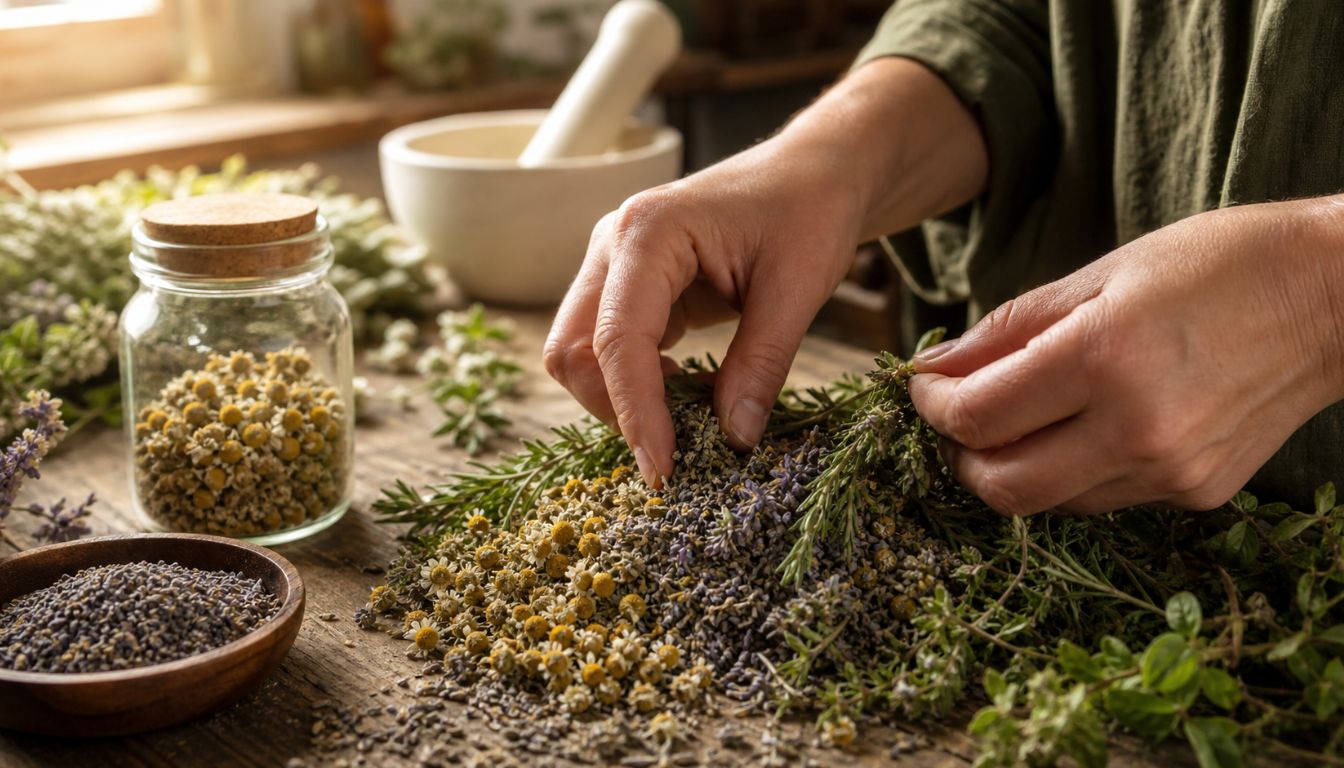
The herbalist meaning is simple: an herbalist is someone who works with medicinal plants to support health and well‑being. Herbalists have grown in popularity as more people turn to natural ways of caring for themselves. We believe that nature offers many of the tools needed for care. When used appropriately, herbs can gently nurture the body.
Herbs have been used for medicinal purposes for thousands of years. Many of the drugs we use today are based on plant compounds. Herbalists take a holistic approach to health, looking at the whole person rather than just isolated symptoms. They use herbs to support the body’s natural healing processes, rather than simply suppressing symptoms.
Herbalism is a gentle, non‑invasive complementary approach that is often used alongside conventional care. People turn to it for a wide range of non‑emergency issues, from everyday complaints like headaches and colds to support during more serious health challenges under medical supervision.
If you are interested in learning more about herbalism, there are many resources available to you. You can find books, classes, and online courses that can help you build a solid foundation in using herbs safely. As with any approach to health, working with a qualified practitioner matters. They can guide you in the right direction.
What Is an Herbalist? Herbalist Meaning Explained
Many people search for the meaning of “herbalist” because they have heard the word before. They are often not quite sure what it really means. In simple terms, an herbalist is someone who works with medicinal plants to support health and wellbeing, drawing on both traditional knowledge and modern insights.
Herbalist Meaning: Definition
As a medical herbalist, I define an herbalist as a practitioner who uses medicinal herbs and plants to support people with a range of health concerns. Herbalists have drawn on plants as medicine for centuries and continue to do so today. They often work in a natural, holistic way, taking into account the whole person, not just their physical symptoms.
Role in Healing
Herbalists play a supportive role in the healing process. They work with clients to understand their symptoms, health history, lifestyle, and goals. Based on this, they suggest herbal remedies, dietary tweaks, and lifestyle changes that may help the body regain balance. Herbalists may also collaborate with doctors or nutritionists. This helps ensure that people receive safe, coordinated care.
One of the key advantages of working with an herbalist is access to natural options that can complement conventional treatment. Certain herbs have been studied for their potential to ease issues like stress, low mood, digestive discomfort, or inflammation. Many people find they feel more resilient and supported when herbs are used appropriately alongside medical advice.
Herbalist Meaning: Distinction from Medical Doctors
Herbalists are not medical doctors and do not diagnose disease, prescribe drugs, or perform medical procedures. Instead, they focus on supporting health with herbs, diet, and lifestyle. Clients are always encouraged to continue seeing their GP or specialist for diagnosis and serious conditions. While doctors typically work within a disease‑focused, symptom‑based model, herbalists emphasise a more holistic, person‑centred approach that looks at overall patterns of health and well‑being.
Naturopathic Doctors vs Herbalists
A question that often comes up is how herbalists differ from naturopathic doctors. Both approaches draw on natural remedies to support health and wellness. However, the scope of practice and training are quite different.
Naturopathic doctors are licensed healthcare practitioners who have completed a four-year doctoral programme. This gives them a broader diagnostic and prescribing remit depending on their jurisdiction.
Herbalists, by contrast, focus specifically on plant-based support and are not licensed to diagnose or treat medical conditions. Both can work alongside conventional care, but it is worth understanding these distinctions when deciding which type of practitioner is right for your needs.
Herbalist Meaning: Types of Herbalists
Once you understand the basic herbalist meaning, it becomes clear that the field covers a wide range of roles and specialisations. Some herbalists work directly with clients in clinical or community settings. Others focus on growing and harvesting medicinal plants, creating herbal products, teaching, writing, or conducting research into plant medicine.
What all these paths share is a deep knowledge of plants and a commitment to supporting health in a natural, holistic way. The role you take on as a herbalist depends on your interests, your training, and the direction you choose to develop your practice over time.
For a full breakdown of each career path, see our dedicated guide: Herbalist Career: How to Become a Successful Herbal Pro. It explains what clinical herbalists, product makers, educators, farmers, and researchers actually do day to day.
Herbalist Meaning: History and Tradition
Herbal medicine has a rich history spanning thousands of years and many cultures. The ancient Egyptians, Greeks, and Chinese all developed extensive knowledge of medicinal plants and their uses, passing this wisdom down through generations. Many of the drugs we use today are directly derived from these traditions. Aspirin, for example, was originally developed from willow bark, and the powerful anti-cancer drug Taxol comes from the bark of the Pacific yew tree. Understanding this history helps place modern herbalism in its proper context as a living, evolving tradition rather than a fringe trend.
Education and Training
Thinking about becoming an herbalist raises a big question: how do you actually learn this work in a safe, grounded way? There is no single “official” path into herbalism. However, there are several routes that can help you build real knowledge and confidence.
Routes into herbalism
People usually combine a mix of study methods rather than relying on just one. Traditional routes include apprenticeships, in‑person mentorships, and structured self‑study with trusted books and teachers. These options provide hands‑on experience and real‑world context for using herbs. Many herbalists also add non‑traditional options, such as online courses and weekend workshops. Some longer programmes blend online learning with supervised practice.
This layered approach works well because each route has different strengths. Apprenticeships and mentorships give you practical skills and feedback. Courses and programmes can fill in theory, safety, and structured curricula that are easy to miss when learning alone.
Apprenticeships & Internships
Herbal apprenticeships and internships are one of the most effective ways to move from book learning into real‑world practice. They usually combine time in the garden or field with medicine‑making, plant identification, and, in some cases, supervised clinical observation. Instead of just reading about herbs on the page, you learn how they look, smell, and behave in different seasons, and how they are actually used day to day.
Programmes vary a lot in structure. Some run for a few weekends spread across the year, while others are intensive, multi‑month commitments with weekly days on site. You might spend your time sowing and harvesting, making tinctures and salves, helping process orders in a small herbal business, or sitting in on consultations where this is allowed. Many apprenticeships and internships expect you to keep notes, complete simple assignments, and show up reliably so that you and the host both benefit.
Costs and practical details also differ widely. Some community‑based programmes are offered on a sliding scale or work‑trade basis, where you help with tasks such as gardening or bottling in exchange for teaching time. Others are higher‑ticket professional trainings that include structured curricula, supervision, and clear learning outcomes. It is common to pay a deposit to secure your place and then spread the remaining cost over instalments, especially for longer‑term apprenticeships.
When you are considering an apprenticeship or internship, it pays to look beyond the brochure. Take time to research the teacher’s background, their approach to safety and ethics, and whether their style of herbalism aligns with your values. If possible, speak to past students, read reviews, and ask practical questions about workload, expectations, and support. A good programme should leave you feeling more confident, better grounded in real plants, and clearer about whether herbalism is the right long‑term path for you.
How to Choose a Good Herbal Apprenticeship or Internship
- Look at the teacher’s training, experience, and reputation in the herbal community.
- Check how many contact hours you will actually get and over what period of time.
- Ask whether there is any supervised clinical exposure or if the focus is mainly on growing and medicine making.
- Clarify the total cost, what is included, and whether there are payment plans or sliding‑scale options.
- Make sure there is a clear outline of topics covered, safety considerations, and any coursework or homework.
- Notice whether the programme’s values, teaching style, and cultural approach feel like a good fit for you.
- Confirm what you are allowed to do afterwards so you stay within the legal scope of practice in your region.
Certifications and credentials
Unlike doctors, herbalists do not follow one regulated, universal training pathway. The legal status of practice also varies between countries. Instead, various schools, professional associations, and membership bodies offer certificates or credentials that show you have completed a certain level of education. In some cases, they also expect supervised clinical experience.
For example, in North America the American Herbalists Guild offers a Registered Herbalist (RH) credential. It is based on meeting suggested education and clinical practice guidelines and then going through a peer‑review process. In the UK, the National Institute of Medical Herbalists expects degree‑level study for full membership. At least several hundred hours of supervised clinical training are also required
Specialisations
Once herbalists have built a solid foundation, many choose to focus their work in a particular direction. Common specialisations include clinical herbalism, community herbalism, and medicinal gardening. Focusing on a specific area allows herbalists to provide more targeted support to their clients and develop deeper expertise in that field. Choosing a specialisation can also help shape the kind of education and clinical experience you pursue.
Herbalist Meaning: Ongoing study and regulation
Herbalism is an evolving field, so serious practitioners treat learning as an ongoing part of their work. It is not just a one‑off course. This can include keeping up with new research, attending conferences or webinars, and regularly refreshing knowledge in areas like safety, interactions, and ethics.
Herbalists who make or recommend products also have to understand how herbs are regulated in their country. In many places, including the United States, most herbal products are sold as dietary supplements. This means there are specific labelling rules and strict limits on what health claims can be made. Studying topics such as anatomy, physiology, biochemistry, and traditional materia medica helps herbalists connect plant properties with the body in a responsible way.
Regulatory Status of Herbal Products
In the United States, most herbal products are sold as dietary supplements and are not regulated by the FDA in the same way that pharmaceutical drugs are. This means that quality, labelling, and health claims can vary significantly between products and brands. Working with a trained herbalist who understands both products and regulations is particularly valuable. They can help you navigate what is available and point you towards products that meet reasonable standards of quality and safety.
International Regulation
Regulation of herbal medicine varies not just by practice, but also by geography and product type. In the European Union, herbal products are regulated under the Traditional Herbal Medicinal Products Directive (THMPD), which sets standards for quality, safety, and efficacy. In India, the Drugs and Cosmetics Act of 1940 and its associated rules govern herbal medicine quality and safety. Understanding which regulatory framework applies to you, whether as a practitioner or a consumer, is an important part of using herbal medicine responsibly.
Legal Scope of Practice
The legal scope of practice for herbalists varies depending on the country, and even by state or region within a country. In some places, herbalists may be required to hold a licence or specific certification to practise professionally.
In others, the field remains largely unregulated. If you are considering a career in herbalism, it is important to research the rules that apply in your area and ensure that you are practising within the legal framework. Professional organisations such as the American Herbalists Guild or the National Institute of Medical Herbalists can be a good starting point for understanding what is expected in your region.
Well‑designed education and ongoing training give herbalists a solid foundation to support people safely, work within local laws, and keep refining their practice over time.
Reasons to See an Herbalist
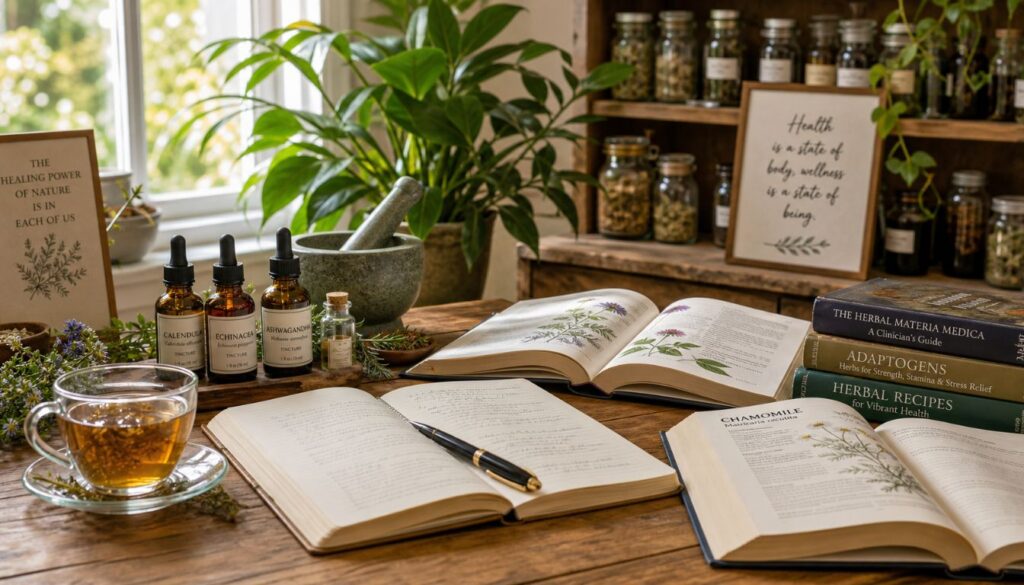
When you understand the herbalist meaning, it is easier to see why many people seek out an herbalist. They are often looking for a gentler, more holistic way to care for themselves. Herbal medicine is often used as a natural complement to conventional care rather than a replacement for it.
Herbalist Meaning: Holistic Approach
Herbalists typically take a holistic approach to health, which means looking at the whole person, not just their symptoms. Consultations may explore nutrition, lifestyle, stress levels, sleep, and emotional well‑being. They will also cover any specific concerns you are experiencing. The aim is to support the body’s own capacity to move towards balance.
Safety Considerations
Using herbs responsibly means being aware of a few important safety points. Some herbs can interact with medications or cause side effects, so it is always worth consulting a qualified herbalist or your healthcare provider before starting any herbal programme. It is equally important to purchase herbs from a reputable source to ensure their quality, purity, and correct identification. A good herbalist will always take your current medications and health history into account before making any recommendations.
One safety area worth highlighting specifically is the potential for herbs to interact with prescription or over-the-counter medications. St. John’s wort, for example, is known to interact with antidepressants, and ginkgo biloba can affect blood thinners. Always let your healthcare provider know about any herbs or supplements you are taking, and ensure your herbalist is aware of your full medication list. A qualified herbalist will factor this into any recommendations they make.
Common Reasons People Seek Herbal Support
Herbal medicine is used by a lot of people to support everyday wellness and to help with many common, non‑urgent concerns. The most frequent reasons people consult an herbalist include digestive discomfort, stress and anxiety, sleep difficulties, and chronic pain. Skin conditions such as eczema and psoriasis are also common, as are hormonal concerns including PMS, perimenopause, and menopausal symptoms.
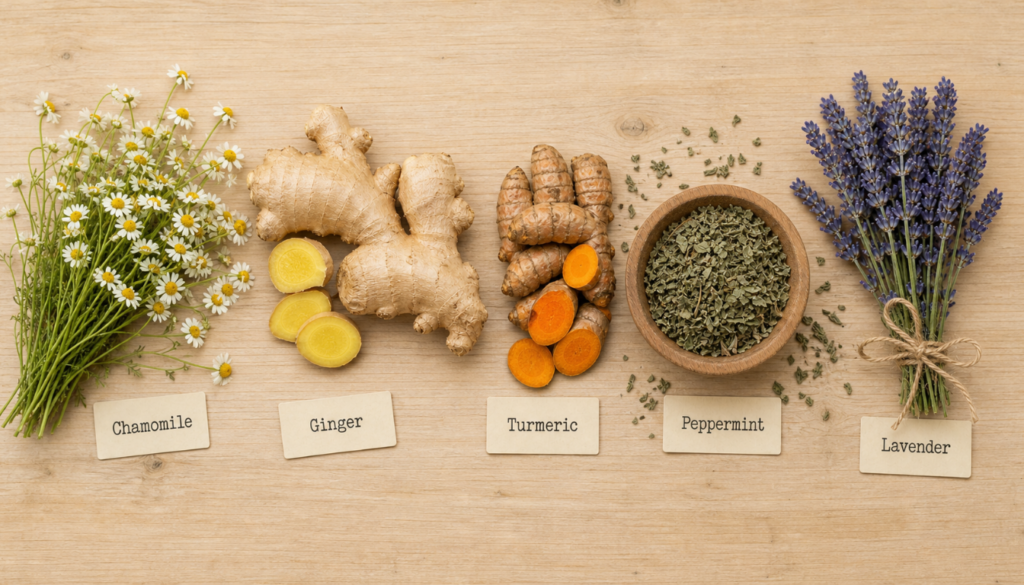
For digestive issues, herbs such as ginger, peppermint, chamomile, and fennel are commonly used. For stress and sleep, passionflower, valerian, ashwagandha, and rhodiola are among the most widely used and well-researched options. Chronic pain and inflammation are often supported with turmeric, ginger, devil’s claw, or white willow bark, while skin concerns respond well to aloe vera, calendula, chamomile, and tea tree applied topically.
Herbalists focus on supporting overall resilience and comfort rather than claiming to treat or cure serious diseases. They always encourage clients to stay in contact with their doctor for diagnosis and ongoing medical care, and to ensure any herbal support is coordinated with their existing treatment.
Supporting General Wellness
Even if you are generally healthy, seeing an herbalist can be a way to support your overall wellness. Herbal approaches may help to maintain energy levels, digestion, and sleep. They can also support the body during times of stress or change. By taking a preventative, lifestyle‑focused approach, many people hope to stay well for longer and feel more in tune with their bodies.
Working with an herbalist can offer personalised guidance, gentle support, and a space to explore natural options within a safe framework that respects both herbal and conventional medicine.
If you are curious but not ready to book a consultation yet, you might start with gentle, familiar herbs such as chamomile, peppermint, or lemon balm in tea form. You can also read from reliable books or beginner‑friendly courses. When you feel ready for more personalised support, a qualified herbalist can help you go deeper in a way that suits your body and your circumstances.
What to Expect When You See an Herbalist?
If you have never seen an herbalist before, it can be reassuring to know what the first appointment usually involves. A first consultation often lasts between 45 and 90 minutes, giving plenty of time for a detailed conversation.
Your herbalist will typically ask about your main concerns and medical history. They will also ask about current medications or supplements, diet, sleep, stress levels, and other aspects of daily life. This helps them understand the bigger picture rather than focusing on a single symptom. They may also check things like blood pressure or pulse where appropriate and within their training.
At the end of the consultation, the herbalist may suggest a personalised herbal blend or specific preparations. They may also offer simple diet and lifestyle ideas to support your goals. They should encourage you to stay in touch with your GP or specialist, and to let all your practitioners know what you are taking so that care remains safe and coordinated.
Herbalism offers a way to work with nature to care for your body, whether you are dealing with specific challenges or simply want to feel more balanced day to day. It is not a replacement for medical care, but it can sit alongside it as a tailored, plant‑based form of support.
Before You Go – Herbalist Meaning
Herbalism is one of the oldest healing traditions in the world, and understanding what an herbalist actually does helps you decide whether it might be a useful addition to your own health toolkit. Whether you are curious about training, looking for a practitioner, or simply want to explore plant-based support alongside conventional care, the field has something to offer at every level.
If you are new to herbalism, start with familiar herbs like chamomile, peppermint, or lemon balm, and build from there. When you are ready for personalised guidance, a qualified practitioner can help you go deeper in a way that suits your body and circumstances.
Enjoyed this article? Add theherbprof.com to your favourites and stay up to date with the latest herbal health guides and supplement reviews!
References – Herbalist Meaning
The Herbal Medicine-Maker’s Handbook, by James Green
The Earthwise Herbal, by Matthew Wood
Medicinal Herbs: A Beginner’s Guide, by Rosemary Gladstar
Related Article
How Much Do Herbalists Make? Salaries Explained
Frequently Asked Questions – Herbalist Meaning
What are the primary responsibilities of an herbalist?
The primary responsibility of an herbalist is to promote health and wellness using plant‑based preparations and lifestyle support. Herbalists use their knowledge of the properties and traditional uses of plants to put together personalised plans for clients. They usually take a holistic approach, considering the physical, emotional, and sometimes spiritual aspects of a person’s health, and they encourage people to maintain regular contact with their doctor for diagnosis and medical treatment.
What types of certifications are available for herbalists?
There are several types of certifications and memberships available for herbalists, depending on the country. Examples include the Registered Herbalist (RH) recognition from the American Herbalists Guild and professional memberships with organisations such as the National Institute of Medical Herbalists in the UK, which usually require specific educational standards. These pathways typically involve formal study and, in many cases, supervised clinical practice or peer review.
Can an herbalist prescribe medicine?
Herbalists do not prescribe pharmaceutical medicines unless they also hold a separate medical qualification. Instead, they can suggest herbal preparations and self‑care strategies to support general health and well‑being, and they may provide bespoke herbal formulas where this is allowed in their region.
What distinguishes a traditional herbalist from other types of herbal practitioners?
Traditional herbalists often focus on using whole plants or simple combinations in forms such as teas, tinctures, and powders, grounded in long‑standing systems of knowledge and cultural practice. Other herbal practitioners may place more emphasis on scientific research, standardised extracts, or integrating herbal approaches within modern clinical settings.
How can one find a reputable herbalist nearby?
You can start by asking for recommendations from friends, family, or other practitioners you trust. It can also be helpful to search the membership directories of professional organisations, such as the American Herbalists Guild or the National Institute of Medical Herbalists, which list herbalists who meet specific training and practice standards.
What kind of training or education is typically required to become a professional herbalist?
Training for professional herbalists varies by country and by pathway. Many practitioners complete degree‑level or diploma‑level programmes in herbal medicine, or long‑term apprenticeship‑style training, which covers plant knowledge, human anatomy and physiology, safety, and supervised clinical practice. Ongoing education is also important so that herbalists can stay up to date with new research, regulations, and best practices in the field.