
The Herb Prof Team researches and writes our herbal guides, drawing on published research, traditional herbal references, and hands-on growing experience.
Turmeric has become a staple in many wellness routines thanks to its golden colour and reputation for anti-inflammatory support. Yet one of the most common questions is simple: how long does turmeric actually take to work?
In this guide, you will learn what turmeric does in the body and how curcumin absorption affects timing. You will also see typical timelines for noticing benefits and the key factors that influence how quickly turmeric may start helping with inflammation, joint comfort and general wellness.
Turmeric is not a cure or a replacement for medical treatment, and anyone with ongoing symptoms or diagnosed conditions should work with a suitable healthcare professional.
Understanding Turmeric – How Long Does Turmeric Take to Work
Turmeric comes from the rhizome of the Curcuma longa plant and has a long history of use in traditional medicine and cooking. Its bright yellow pigment comes largely from curcuminoids, of which curcumin is the best known.
- Curcumin has been studied for anti-inflammatory and antioxidant activity. It can influence several signalling pathways linked to inflammation and oxidative stress.
- Modern research suggests turmeric and curcumin may help with joint pain, some inflammatory conditions and digestive comfort. These effects are most often seen when they are used consistently at appropriate doses.
On its own, curcumin is poorly absorbed by the body. This is one reason people may not feel rapid effects from turmeric unless they pay attention to the form they use and how they take it.
How Turmeric Works in the Body
Bioavailability and Absorption: How Long Does Turmeric Take to Work
Curcumin’s low natural bioavailability means that only a small amount is absorbed when turmeric is taken alone. Several strategies are used to improve this:
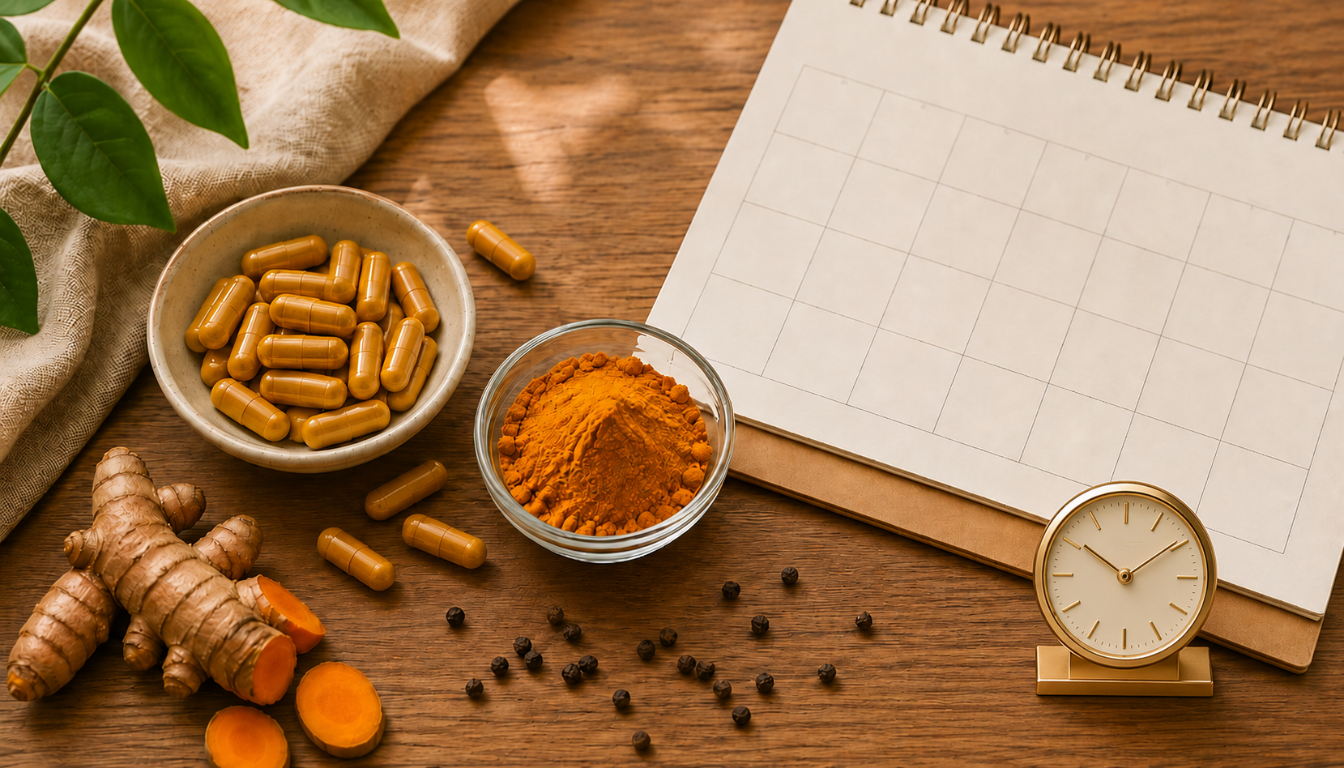
- Black pepper (piperine): Human research shows that combining curcumin with piperine from black pepper can increase curcumin bioavailability by around 2,000% compared with curcumin alone.
- Fat: Curcumin is fat-soluble, so taking turmeric with a source of fat (such as oils, ghee or full-fat foods) can support absorption.
- Specialised extracts: Many supplements use formulations such as curcumin–phospholipid complexes or other enhanced forms to improve uptake compared with plain powder.
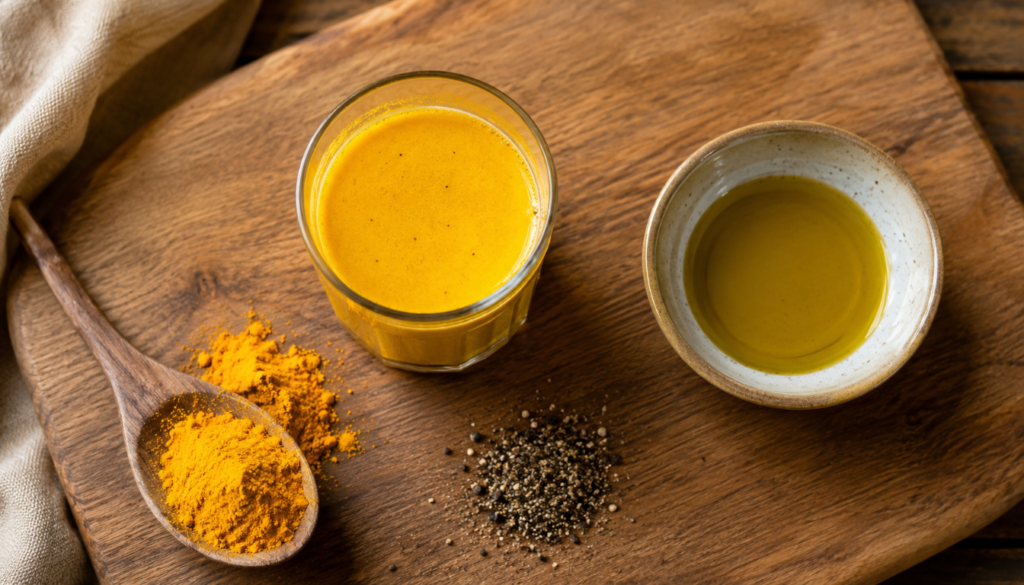
This is why traditional preparations like golden milk (turmeric with fat and often a pinch of pepper) remain popular: they naturally combine turmeric with both fat and piperine.
How Long Does Turmeric Take to Work?
There is no single exact timeline, but research and clinical experience give some useful ranges.
General timeframe: How Long Does Turmeric Take to Work
These ranges are averages. Individual response varies with dose, product quality, absorption and overall health.
- For chronic inflammation and joint issues, studies and reviews suggest that consistent use of turmeric or curcumin supplements often shows benefits over about 4–8 weeks.
- Some people notice changes in joint stiffness or comfort within a couple of weeks, while others may need closer to a month or more of regular use.
- For short-term muscle soreness or post-exercise discomfort, some data suggest improvements in markers and symptoms within 24–72 hours. The studies often use curcumin around the time of exertion.
Typical user experience
In practice, a realistic expectation for most people taking a well-formulated turmeric or curcumin product daily is:
- Subtle changes (such as slightly easier movement or less morning stiffness) beginning somewhere between 1–4 weeks
- More clearly noticeable effects often becoming apparent with 4–8 weeks of consistent use, especially for joint-related concerns
Factors That Influence How Long Does Turmeric Take to Work
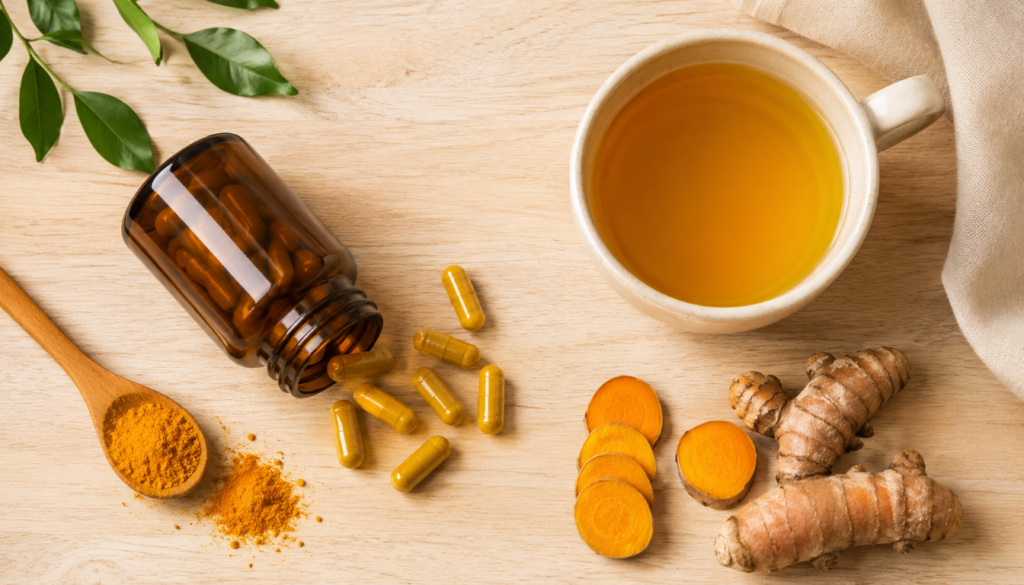
Several key variables shape how fast someone might feel the “turmeric effect.”
1. Dose and form
Human studies often use doses in the range of 500–2,000 mg of turmeric or curcumin extract per day, usually in divided doses.
- Lower-dose culinary use, such as small amounts in cooking, may still be valuable, especially long term. It tends to act more gently and more gradually.
- Higher-dose supplements, particularly enhanced-bioavailability forms, may reach noticeable effects more quickly for some people.
There is no single official ‘best’ dose. The ideal amount depends on the individual, their goals and any coexisting conditions.
2. How Long Does Turmeric Take to Work: Absorption Support
Combining turmeric or curcumin with absorption enhancers can change onset time:
- Pairing with black pepper (piperine) can markedly increase blood levels of curcumin.
- Taking turmeric with fat-containing meals or in fat-based preparations can also support absorption.
- Certain enhanced formulations (such as curcumin–phospholipid complexes) may reach effective blood levels at lower nominal doses than standard powders.
However, piperine can also affect the metabolism of some medications, so people on prescription drugs should seek professional advice before using high-dose curcumin–piperine combinations.
3. Individual health and lifestyle
Response also depends on the person:
- Baseline inflammation, joint health and digestive status can influence how quickly changes are noticed.
- A balanced diet, adequate sleep, regular movement and hydration all support the body’s own repair processes and can work synergistically with turmeric.
- Consistency is crucial: irregular use is less likely to give the same benefits as steady daily intake.
Practical Ways to Use Turmeric
Turmeric can be used through food, drinks or supplements. The best route depends on the goal.
In food and drinks
- Add turmeric to soups, stews, curries and rice dishes along with a little fat and black pepper.
- Use fresh or dried turmeric in smoothies with a fat source like yoghurt, nut butter or coconut milk.
- Prepare golden milk with turmeric, a milk of choice, a small amount of fat and a pinch of black pepper for a traditional evening drink.
This approach suits people aiming for general wellness and gentle long-term support.
In supplements
For more targeted support, many people use turmeric or curcumin supplements.
- Products often provide standardised amounts of curcumin and may include piperine or other ingredients to improve absorption.
- Common studied intakes are in the 500–2,000 mg per day range of turmeric or curcumin extract, though formulations and labels vary widely.
Anyone with chronic conditions, on medications, or considering higher dosages should discuss appropriate products and amounts with a clinician who knows their history.
Safety, Side Effects and When to Be Cautious
Turmeric in culinary quantities is generally well tolerated for most people, but concentrated use deserves more care.
Possible side effects
At higher supplemental doses, some people may experience:
These effects are usually reversible by lowering the dose or stopping the product, but persistent or severe symptoms warrant professional review.
Medication and condition cautions
Because turmeric and curcumin can influence multiple pathways, several situations call for extra care:
- Blood thinners and bleeding risk: Turmeric and its extracts may have mild anticoagulant effects and can potentially increase bleeding risk when combined with anticoagulant or antiplatelet medications.
- Diabetes medications: Some evidence suggests turmeric may affect blood sugar control, which could add to the effects of anti-diabetic drugs.
- Blood pressure medications: Curcumin has been involved in studies where modest reductions in blood pressure were observed over time, so combining high-dose preparations with antihypertensives should be monitored.
- Surgery: Due to possible effects on clotting, many clinicians advise stopping concentrated turmeric or curcumin supplements at least two weeks before elective surgery unless advised otherwise.
People with significant liver disease, gallbladder issues, pregnancy, breastfeeding, or multiple medications should seek personalised guidance before using high-dose turmeric or curcumin regularly.
Before You Go – How Long Does Turmeric Take to Work
Turmeric can be a useful ally for supporting inflammation balance, joint comfort and general wellness, but it usually works over weeks rather than days, especially for ongoing concerns. Most people get the best results from consistent daily use, attention to absorption (for example, pairing turmeric with black pepper and some fat) and combining it with a generally healthy lifestyle.
If you would like to explore turmeric together with other herbs, read my guide to the benefits of turmeric and ginger, where I cover how this pair supports digestion, inflammation balance and daily wellness. For a more concentrated option, see turmeric ginger tincture, which explains how to make, use and dose a simple tincture at home.
References – How Long Does Turmeric Take to Work
Little Herb Encyclopedia, by Jack Ritchason; N.D., Woodland Publishing Incorporated, 1995
The Ultimate Healing System, Course Manual, Copyright 1985, Don Lepore
Planetary Herbology, Michael Tierra, C.A., N.D., Lotus Press, 1988
Handbook of Medicinal Herbs, by James A. Duke, Pub. CRP Second Edition 2007
The Complete Medicinal Herbal, by Penelope Ody, Published by Dorling Kindersley
Related Articles
Grow the Easiest Herbs from Seed for Your Home Garden
Benefits of Turmeric and Ginger for Better Health
Health Benefits of Turmeric and Curcumin: Science-Backed
Turmeric Ginger Tincture: Anti-Inflammatory Power in a Drop
Frequently Asked Questions – How Long Does Turmeric Take to Work
How long does it take for turmeric to start working?
Timelines vary, but many people notice some changes within 1–4 weeks of consistent daily use. For joint and inflammation support, some studies and reviews suggest clearer benefits over about 4–8 weeks.
What is the main active compound in turmeric?
The primary active compound is curcumin, a curcuminoid that has been widely studied for anti-inflammatory and antioxidant effects.
Can I improve the absorption of turmeric?
Yes. Taking turmeric or curcumin with black pepper and a source of fat can improve absorption, and human data show piperine from black pepper can increase curcumin bioavailability by about 2,000%.
What is a typical daily amount of turmeric or curcumin?
Many supplements use a daily range of about 500–2,000 mg of turmeric or curcumin extract, usually in divided doses. The best amount depends on the person, their goals and any existing health conditions.
What are the main health benefits of turmeric?
Turmeric and curcumin are best known for supporting inflammation balance and antioxidant protection and may help with joint comfort, muscle soreness and digestive health when used regularly. They do not replace medical treatment but can be part of a broader plan.
Can diet and lifestyle affect how well turmeric works?
Yes. Taking turmeric with fat and, where appropriate, black pepper can improve absorption, and habits such as a balanced diet, regular movement and good sleep can work alongside turmeric to support overall results.
Are there side effects from taking turmeric?
Some people experience mild digestive upset, heartburn, loose stools or nausea, especially at higher supplemental doses or when taking turmeric on an empty stomach. If symptoms persist or are severe, it is best to reduce the dose or stop and seek professional advice.
Can turmeric interact with medications?
Turmeric and curcumin can interact with certain medicines, including blood thinners, some diabetes drugs and some blood pressure medications, and may affect bleeding risk or blood sugar control. If you take prescription medication, discuss regular or high-dose turmeric use with your prescribing clinician first.
Is turmeric safe to take every day?
Culinary amounts of turmeric are generally considered safe for most people, and many use modest supplemental doses daily under guidance. Higher doses and long-term use should be approached more cautiously, especially in the presence of medications or chronic conditions.