
The Herb Prof Team researches and writes our herbal guides, drawing on published research, traditional herbal references, and hands-on growing experience.
Choosing between refined vs unrefined coconut oil comes down to two things: what you are cooking and what you want from it nutritionally. Both come from the same source, but the way each is processed creates real differences in flavour, smoke point, and nutrient content that are worth understanding before you buy.
This guide breaks down exactly how the two types differ, which one suits different cooking methods, and what the health evidence actually says, so you can pick the right oil for your kitchen and your goals.
What Is Coconut Oil?
Coconut oil is a natural fat that comes from the meat of mature coconuts. It is one of the few plant-based oils that stays solid at room temperature, thanks to its high saturated fat content, around 80 to 90 percent, most of which comes in the form of medium-chain triglycerides (MCTs).
Your body digests MCTs differently from long-chain fatty acids found in most other oils. It absorbs them quickly and converts them to energy rather than storing them as fat, which is one of the main reasons coconut oil has attracted interest in the health and wellness space.
What most people do not realise is that “coconut oil” is not a single product. How manufacturers process it after extraction determines whether you end up with refined or unrefined coconut oil, and that processing step makes a significant difference to flavour, smoke point, and nutritional value.
How Each Type Is Made?
The difference between refined and unrefined coconut oil starts at the very beginning of the production process.
Unrefined coconut oil
It comes from fresh coconut meat. Producers grate the meat and cold-press it to extract the oil without heat or chemicals. This minimal processing preserves the oil’s natural aroma, flavour, and nutritional compounds, which is why manufacturers often label it as virgin or extra virgin coconut oil. What you get in the bottle is as close to the natural oil as possible.
Refined coconut oil
It starts from a different place entirely. Manufacturers make it from dried coconut meat, known as copra, and process it using heat and in some cases chemical solvents to extract the oil. They then bleach and deodorise the extracted oil to remove impurities, odours, and the natural coconut flavour. The result is a clean, neutral oil with a longer shelf life and a higher smoke point of around 400°F (204°C).
Neither process is inherently wrong, they simply produce different oils suited to different purposes. Understanding how each is made helps explain every difference that follows: the flavour, the smoke point, and the nutrients.
Key Differences: Flavour, Smoke Point and Nutrients
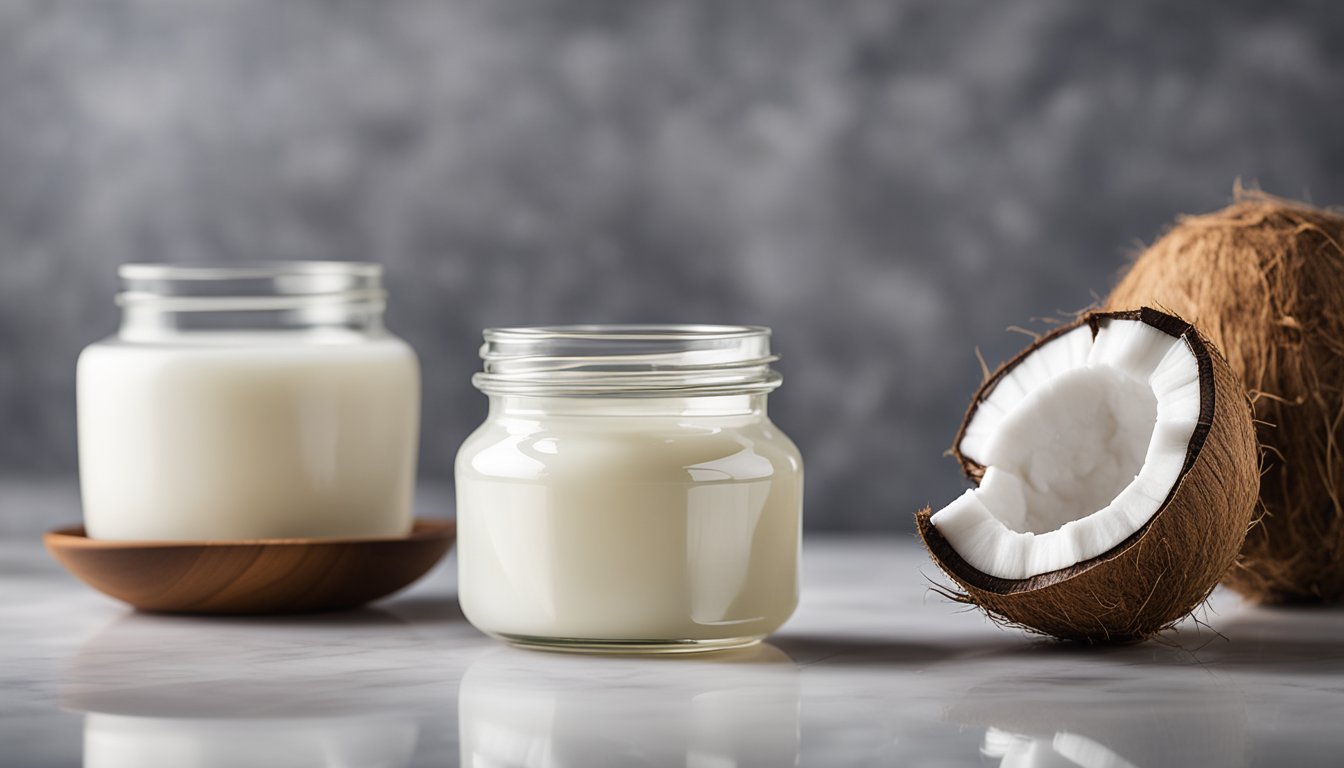
The three areas where refined and unrefined coconut oil differ most meaningfully are flavour, heat tolerance, and nutritional value.
Flavour and Aroma
Unrefined coconut oil has a distinct, rich coconut flavour and a pleasant tropical aroma. It works beautifully in recipes where that flavour is welcome: smoothies, baked goods, curries, and homemade granola. Refined coconut oil is completely neutral in both taste and smell. It blends invisibly into any dish, making it the better choice when you do not want coconut flavour competing with other ingredients.
Smoke Point
Refined coconut oil has a significantly higher smoke point, around 400°F (204°C), making it suitable for frying, sautéing, and high-heat roasting. Unrefined coconut oil has a lower smoke point of around 350°F (177°C). Cooking above this temperature causes the oil to break down, producing smoke and potentially harmful compounds. For high-heat cooking, refined is the safer choice.
Nutritional Value
This is where unrefined coconut oil has a clear advantage. Because it undergoes minimal processing, it retains higher levels of antioxidants, polyphenols, and vitamin E. Both types contain similar amounts of MCTs and saturated fat, around 60 to 62 percent medium-chain fatty acids, but the refining process strips out many of the beneficial micronutrients. If nutritional value is your priority, unrefined wins.
| Feature | Refined | Unrefined |
|---|---|---|
| Flavour | Neutral | Coconut |
| Smoke point | ~400°F (204°C) | ~350°F (177°C) |
| Antioxidants | Lower | Higher |
| MCT content | Similar | Similar |
| Best for | High-heat cooking | Baking, smoothies, skincare |
Which Is Healthier?
The honest answer is that neither type of coconut oil is a superfood, but unrefined has a modest nutritional edge due to its higher antioxidant and polyphenol content.
That said, both types are high in saturated fat, around 80 to 90 percent, which is worth being aware of if you are managing cholesterol or cardiovascular health. The American Heart Association recommends limiting saturated fat intake, and coconut oil is no exception to that guidance regardless of whether it is refined or unrefined.
Where coconut oil does have genuine support is its MCT content. Medium-chain triglycerides are metabolised differently from other fats, providing a quicker source of energy and showing some promise in research around metabolic health. Both refined and unrefined coconut oil contain similar MCT levels, so neither has a clear advantage here.
For most people, the healthiest choice simply comes down to how you are using it. If you are replacing heavily processed vegetable oils or butter in moderate amounts, either type of coconut oil is a reasonable option. If you are choosing between the two purely for health reasons, unrefined is the better pick for its retained nutrients, but the difference is not dramatic enough to make it a deciding factor on its own.
Best Uses for Each Type
Knowing which oil to reach for comes down to the recipe and the result you want.
Use unrefined coconut oil for:
- Smoothies and protein shakes – adds a natural coconut flavour without any processing
- Baking – cakes, cookies, and muffins where a subtle coconut note works well
- No-heat recipes – energy balls, raw desserts, and overnight oats
- Skincare and haircare – the retained nutrients make it a popular natural moisturiser and hair mask
- Low to medium heat cooking – scrambled eggs, pancakes, or gentle sautéing where the flavour complements the dish
Use refined coconut oil for:
- Frying and deep frying – the higher smoke point handles sustained high heat safely
- Stir fries and roasting – neutral flavour lets the other ingredients shine
- Baking where coconut flavour is unwanted – chocolate cakes, savoury breads, or dishes with strong competing flavours
- Popcorn – high heat tolerance and neutral taste make it ideal
- Cooking for people who dislike coconut flavour
One practical tip: keep both in your kitchen if you cook regularly. Unrefined for flavour-forward and low-heat uses, refined for everything high heat. The cost difference is minimal and having both removes any compromise.
Before You Go – Refined vs Unrefined Coconut Oil
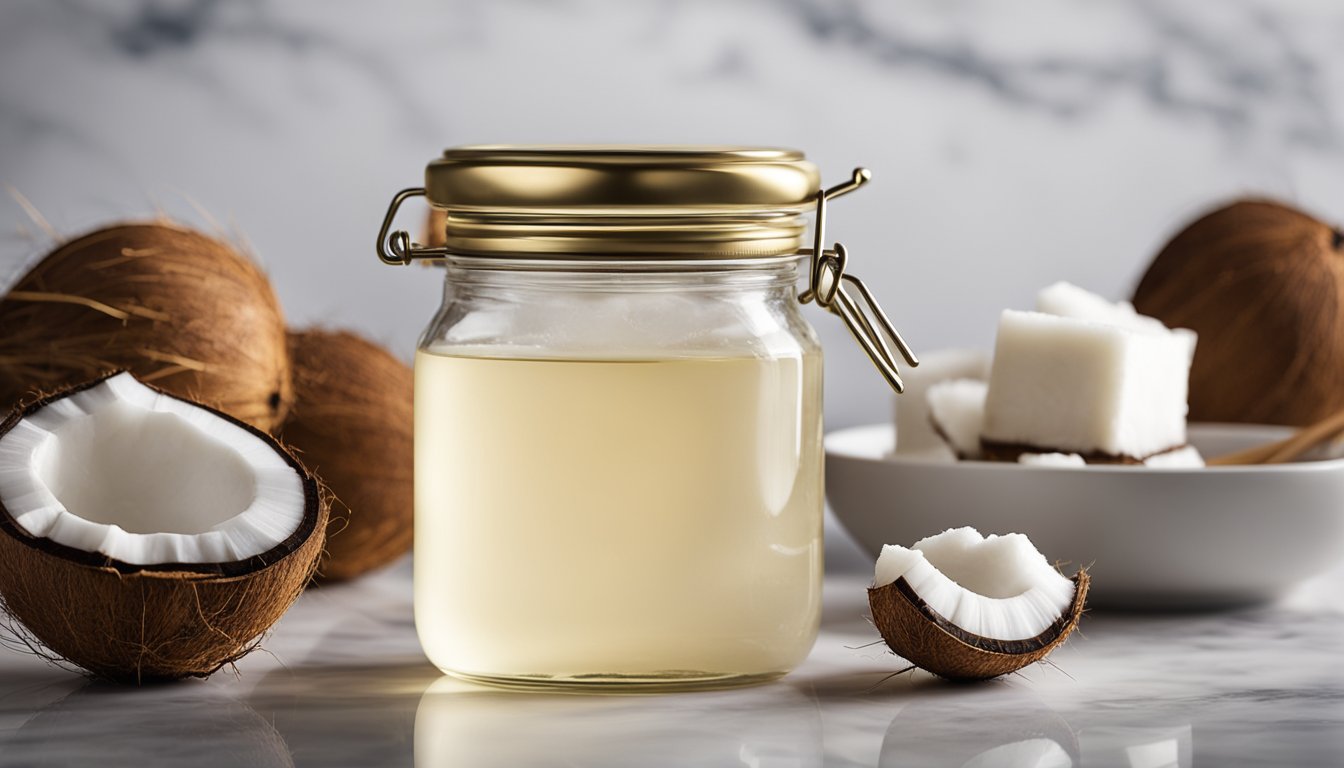
Refined and unrefined coconut oil are both useful, they just serve different purposes. Keep unrefined for flavour, nutrients, and low-heat cooking, and refined for anything that needs high heat or a neutral taste. Neither is a miracle ingredient, but both earn a place in a well-stocked kitchen.
Enjoyed this article? Add theherbprof.com to your favourites and stay up to date with the latest herbal health guides and supplement reviews!
References – Refined vs Unrefined Coconut Oil
American Heart Association – Saturated Fat
Related Articles
What Is Buttercrunch Lettuce? Benefits and Growing Tips
Genius Mushroom Supplement Review
NutriFlair Premium Berberine Review
Frequently Asked Questions – Refined vs Unrefined Coconut Oil
What is the difference between refined and unrefined coconut oil?
Refined coconut oil comes from dried coconut meat and undergoes heat and chemical treatments, giving it a neutral flavour and higher smoke point. Unrefined (virgin) coconut oil comes from fresh coconut meat with minimal processing, retaining its natural aroma and health benefits.
Which type of coconut oil is better for cooking?
Unrefined coconut oil is best for baking and low-heat cooking due to its rich flavor and aroma. Refined coconut oil, with its high smoke point, is ideal for high-heat cooking method like frying and sautéing.
Are there health benefits to using coconut oil?
Both types contain medium-chain triglycerides (MCTs), which the body metabolises quickly for energy. Unrefined coconut oil also retains more antioxidants. Both are high in saturated fat, so moderate use is recommended, particularly for those managing cholesterol or heart health.
Can coconut oil be used for skincare?
Unrefined coconut oil is widely used in skincare for its moisturising properties. It works well as a natural body moisturiser or hair mask, though those with oily or acne-prone skin should patch test first.
How should I choose which coconut oil to use?
Choose unrefined coconut oil for recipes that benefit from coconut flavor, like smoothies or baking. Use refined coconut oil for high-heat cooking to enjoy its neutral taste while avoiding smoke and burning issues.