
The Herb Prof Team researches and writes our herbal guides, drawing on published research, traditional herbal references, and hands-on growing experience.
Turmeric and ginger are two of the most useful herbs to keep in a kitchen or herbal cabinet. Used together, the benefits of turmeric and ginger include practical anti-inflammatory, antioxidant and digestive support that fits both everyday wellness and more targeted herbal routines.
In this guide, you will learn how turmeric and ginger work, what benefits they may offer together, the best ways to use them, and the key safety points to keep in mind before using them regularly.
Why Turmeric and Ginger Work Well Together
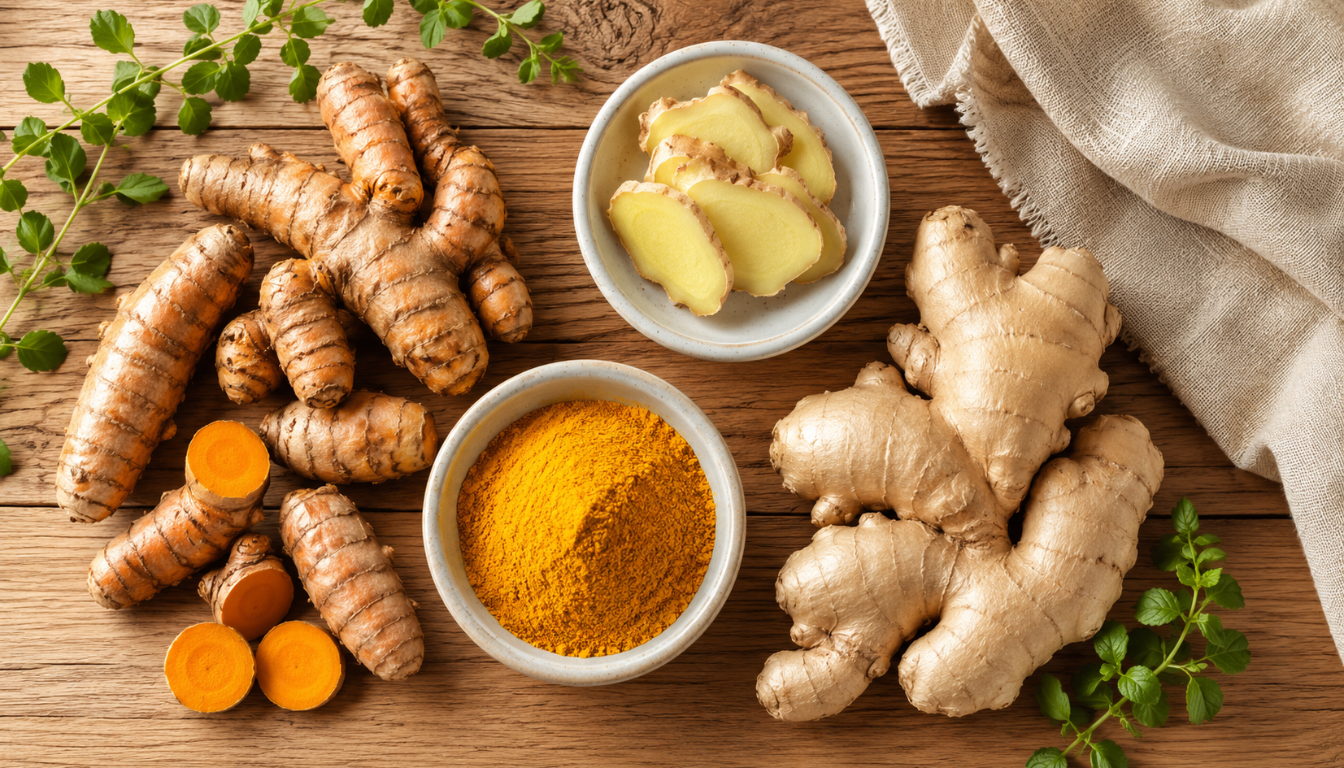
Turmeric and ginger come from the same botanical family, Zingiberaceae, but they shine in slightly different ways. Turmeric is best known for curcumin, a compound studied for its anti-inflammatory and antioxidant effects, while ginger is valued for gingerols and shogaols, which support digestion, nausea relief and inflammatory balance.
That combination makes them especially useful as a pair. Turmeric tends to support long-term inflammation control, while ginger often offers quicker digestive comfort, especially after heavy meals or during periods of nausea and bloating.
Health Benefits of Turmeric and Ginger
Anti-inflammatory support
One of the strongest reasons to combine turmeric and ginger is inflammation support. A 2022 study found that ginger and turmeric extracts showed synergistic anti-inflammatory activity, meaning the combination reduced inflammatory signaling more effectively than either herb alone in the test model.
This is why the pair is often used for joint stiffness, post-exercise soreness and general inflammatory load. While food and herbal preparations are not a replacement for medical treatment, they can be useful supportive tools in a wider health routine.
Antioxidant protection
Both herbs help neutralise oxidative stress, which contributes to ageing and chronic disease. Curcumin in turmeric and gingerols in ginger both act as antioxidants, helping protect cells from free-radical damage.
This antioxidant activity is one reason these herbs are often used as part of a daily wellness routine rather than only during illness. A regular intake through food, tea or tincture may provide steady background support over time.
Digestive health
Ginger is one of the best-known herbs for digestion, and turmeric adds useful support here too. Ginger helps stimulate gastric activity and has particularly good evidence for nausea relief, while turmeric may help calm inflammatory activity in the digestive tract and support bile flow for fat digestion.
Used together, they are especially helpful after heavy meals, during bloating, or when digestion feels sluggish. This is one of the most practical and immediately noticeable benefits of the combination.
Nausea relief
Ginger stands out for nausea, including motion sickness and pregnancy-related nausea, and systematic review data suggests that divided daily doses around 1,500 mg can be beneficial.
Turmeric does not target nausea as directly as ginger, but it can still support overall digestive comfort. In practice, many people find that ginger leads the effect while turmeric rounds out the formula.
Immune and recovery support
Turmeric and ginger are also popular during cold season and recovery periods. Their antioxidant and anti-inflammatory properties may help support the body during times of stress, while ginger’s warming action can feel especially useful in teas, broths and herbal drinks.
This does not mean they prevent or cure infections, but they can be valuable supportive herbs when the body is under strain.
Best Ways to Use Turmeric and Ginger
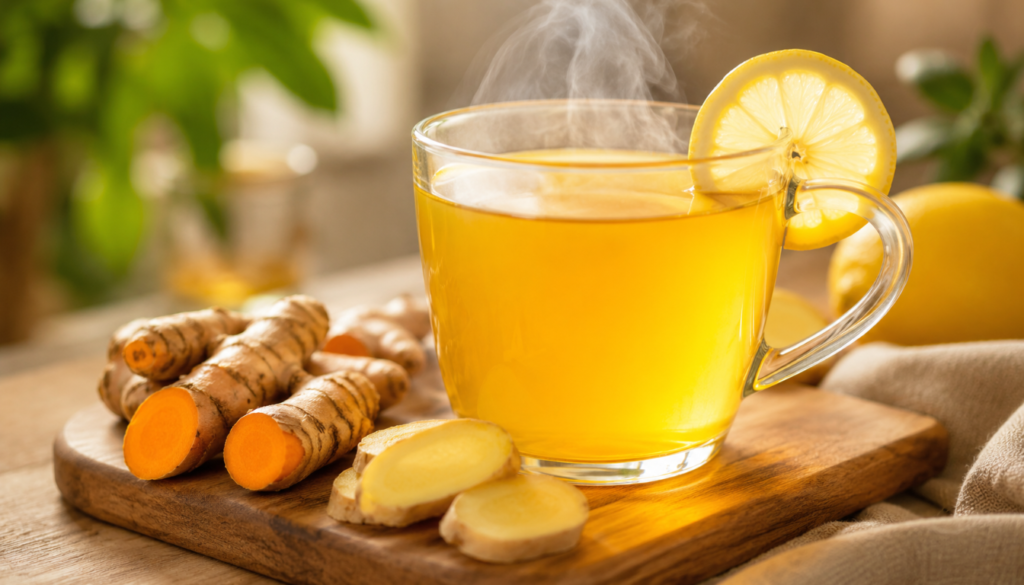
Turmeric and ginger are easy to use in everyday life, and the best method depends on whether you want general wellness support or something more concentrated.
- Tea or infusion: Slice fresh ginger, add turmeric or turmeric powder, and steep in hot water. This is one of the best options for digestion, colds and general daily use.
- Golden milk: Add turmeric, ginger, black pepper and a milk of your choice for a warming evening drink. Black pepper improves curcumin absorption.
- Cooking: Use both herbs in soups, stews, curries, stir-fries and broths for regular low-dose support.
- Smoothies: Fresh ginger and a small amount of turmeric can work well in fruit or green smoothies.
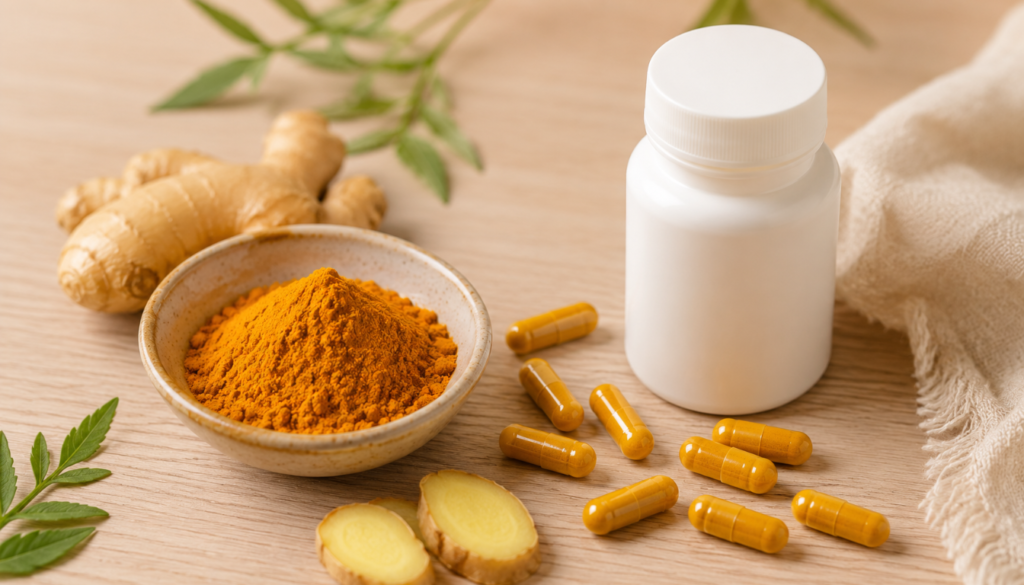
- Tinctures or supplements: These are useful when you want more concentrated support or do not use these herbs regularly in food.
For general daily use in food and drinks, many people find that around 1–3 g of turmeric powder (about ½–1 teaspoon) and a similar amount of fresh ginger per day is a reasonable range for most healthy adults. Always reduce or stop if you notice digestive discomfort, and speak with a clinician before using concentrated supplements regularly.
Food vs Supplements
One of the most common questions is whether turmeric and ginger are better in food or in supplement form.
| Criteria | In Food | In Supplements |
|---|---|---|
| Strength | Gentle to moderate | Moderate to strong |
| Best for | Daily wellness and cooking | Targeted support |
| Digestive comfort | Often easier for most people | Can be stronger on the stomach |
| Absorption | Better with fat and black pepper | Often standardised or enhanced |
| Interaction risk | Lower in normal food amounts | Higher at concentrated doses |
For most people, food-based use is the best starting point. Supplements make more sense when there is a specific goal, such as joint support, digestive support or a more structured herbal routine.
Safety and Side Effects
Turmeric and ginger are generally safe in culinary amounts, but concentrated use deserves more caution. Both herbs may increase bleeding risk, particularly when taken in supplement form or combined with black pepper, which significantly boosts curcumin absorption.
Use extra caution if any of the following apply:
- Blood thinners: Ginger and turmeric may increase bruising or bleeding risk.
- Diabetes medication: Both may affect blood sugar control, so medication may need adjustment.
- Gallbladder issues: Turmeric can stimulate bile flow and may aggravate gallstones or bile duct obstruction.
- Surgery: Stop concentrated turmeric and ginger supplements at least two weeks before planned surgery.
- Pregnancy: Ginger is often used for nausea, but regular medicinal use of either herb in concentrated form should be discussed with a qualified clinician first.
Side effects are usually mild and may include heartburn, stomach upset or loose stools, especially at higher doses.
Before You Go – Benefits of Turmeric and Ginger
Turmeric and ginger are a strong herbal combination because they complement each other so well. Turmeric brings deeper anti-inflammatory and antioxidant support, while ginger adds digestive comfort, nausea relief and a warming, fast-acting quality that makes the blend especially practical in daily life.
Used in food, tea, golden milk or more concentrated preparations, they can be a simple way to support better health naturally. The key is to use them consistently, respect their strength in supplement form, and keep safety in mind if you take regular medication.
If you want to explore this herbal pair further, read my guides to turmeric ginger tincture and the broader health benefits of turmeric and curcumin.
References – Benefits Of Turmeric And Ginger
Little Herb Encyclopedia, by Jack Ritchason; N.D., Woodland Publishing Incorporated, 1995
The Ultimate Healing System, Course Manual, Copyright 1985, Don Lepore
Planetary Herbology, Michael Tierra, C.A., N.D., Lotus Press, 1988
Handbook of Medicinal Herbs, by James A. Duke, Pub. CRP Second Edition 2007
The Complete Medicinal Herbal, by Penelope Ody, Published by Dorling Kindersley
Related Articles
Health Benefits of Turmeric and Curcumin: Science-Backed
How Long Does Turmeric Take to Work? Realistic Timelines
Turmeric Ginger Tincture: Anti-Inflammatory Power in a Drop
Health Benefits of Turmeric and Curcumin
Frequently Asked Questions – Benefits Of Turmeric And Ginger
What are the main benefits of turmeric and ginger together?
Used together, turmeric and ginger may support inflammation balance, digestion, antioxidant protection and general recovery support. Ginger tends to help more with digestion and nausea, while turmeric is more strongly associated with longer-term inflammation support.
Is it better to take turmeric and ginger in food or as supplements?
Food is usually the best place to start because it is gentler and easier to build into daily life. Supplements are better suited to more targeted goals, but they also carry a higher risk of interactions and side effects.
Can turmeric and ginger help with digestion?
Yes. Ginger has particularly strong evidence for nausea and digestive discomfort, while turmeric may support digestive inflammation and bile flow. Together they can be especially useful after meals or during bloating.
Can turmeric and ginger help with inflammation?
They may. Research suggests the two can have complementary anti-inflammatory activity, and one study found a synergistic effect when the extracts were combined.
Are turmeric and ginger safe every day?
In normal food amounts, they are generally safe for most people. Concentrated supplements are different and should be used more carefully, especially if you take blood thinners, diabetes medication or are preparing for surgery.