
The Herb Prof Team researches and writes our herbal guides, drawing on published research, traditional herbal references, and hands-on growing experience.
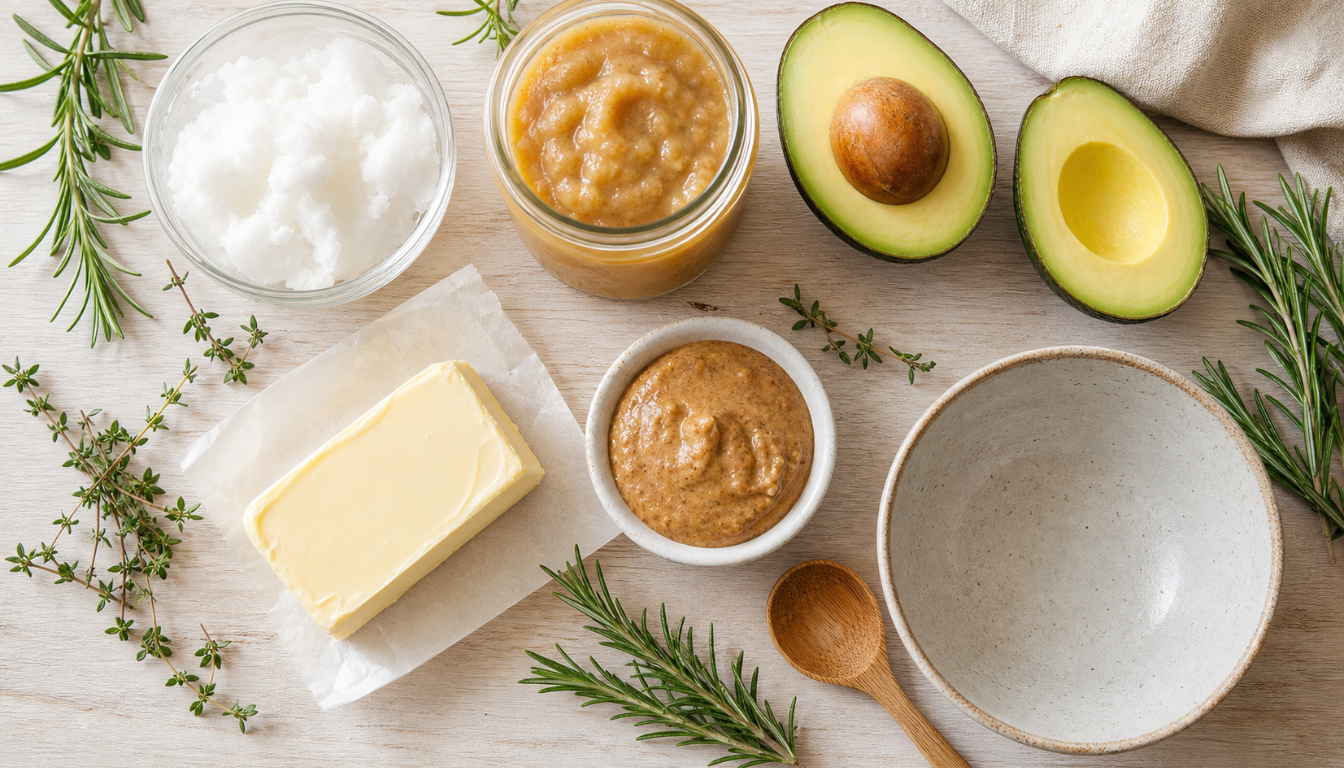
Vegan butter substitutes have come a long way from early plant-based margarines. Today, a wide range of natural, whole-food alternatives can replace butter in almost any recipe without sacrificing flavour, texture, or richness. From a herbalist’s perspective, the most interesting options go beyond simply swapping one fat for another. The best plant-based alternatives bring their own nutritional and aromatic qualities to the kitchen, especially when you incorporate herb-infused oils and botanically rich ingredients that double as both flavour and function.
Whether you are dairy-free by choice, managing a food sensitivity, or simply looking to cook with cleaner, more natural ingredients, this guide covers the most effective vegan butter substitutes for both cooking and baking, with practical tips on how to use each one.
Why Choose Plant-Based Butter Alternatives?
Conventional butter is high in saturated fat and cholesterol, and for people following a plant-based, dairy-free, or holistic health-focused lifestyle, finding reliable alternatives is a practical necessity rather than a compromise.
Plant-based butter substitutes offer several advantages worth considering:
- Lower saturated fat – most plant-based fats, including olive oil, avocado, and nut butters, contain a higher proportion of unsaturated fatty acids, which research consistently associates with better cardiovascular outcomes
- Dairy-free by nature – suitable for those with lactose intolerance, dairy allergies, or anyone choosing to reduce animal products
- Whole-food options available – unlike processed vegan margarines, substitutes such as coconut oil, avocado, and cold-pressed oils come from minimally processed sources
- Herbalist advantage – infusing plant-based oils with medicinal herbs such as rosemary, thyme, or garlic transforms a simple cooking fat into something with genuine aromatic and functional depth, something no block of butter can offer
It is worth noting that not all plant-based substitutes are equally healthy. Some commercial vegan margarines still contain hydrogenated oils or highly processed ingredients. Choosing minimally processed, recognisable whole-food options gives you both the best flavour and the cleanest nutritional profile.
Best Vegan Butter Substitutes for Cooking and Baking
Each substitute below works differently depending on whether you are baking, sautéing, or making sauces. Understanding the properties of each one helps you choose the right option for the right dish.
Coconut Oil
Coconut oil is one of the most versatile vegan butter substitutes available. It solidifies at room temperature, which makes it behave similarly to butter in baked goods, and it melts smoothly when heated. In cookies, cakes, and pastry, it adds a pleasant richness and helps achieve a tender crumb.
Two forms are worth knowing:
- Refined coconut oil has a neutral flavour and a higher smoke point (around 204°C / 400°F), making it suitable for sautéing and roasting
- Unrefined (virgin) coconut oil retains a mild coconut aroma and suits sweet baking applications where that flavour is welcome
For a herbalist twist, try melting coconut oil gently with a sprig of fresh rosemary or thyme, straining it, and using the infused oil in savoury baking or roasted vegetables. It adds depth that plain butter simply cannot replicate.
Use at a 1:1 ratio to replace butter in most recipes.
Herb-Infused Olive Oil
Olive oil is one of the oldest culinary and medicinal fats in the world, and it makes an excellent butter substitute in savoury cooking. It lacks the solid texture of butter, so it works best in applications where you would melt butter anyway – sautéing vegetables, finishing pasta, drizzling over bread, or making sauces.
The herbalist advantage here is significant. Infusing olive oil with fresh or dried herbs transforms it into a functional ingredient. Popular combinations include:
- Rosemary and garlic – robust, aromatic, ideal for roasted vegetables and bread dipping
- Thyme and lemon zest – bright and savoury, excellent for fish, chicken alternatives, or grain dishes
- Oregano and chilli – warming and antimicrobial, a natural match for pasta sauces and pizza bases
To make a simple infusion, gently warm good-quality extra virgin olive oil with your chosen herbs over a very low heat for 20 to 30 minutes, then strain and store in a sealed glass jar. Use within two weeks and keep refrigerated. This connects naturally to the herb-infused oil guide you can explore further on this site.
Use at a ¾:1 ratio – slightly less olive oil than the butter called for, as it is a liquid fat.
Avocado
Mashed or blended avocado works as a butter substitute in baking, particularly in dense, moist recipes such as brownies, chocolate cakes, and banana bread. It contributes healthy monounsaturated fats, adds creaminess, and keeps baked goods moist without making them greasy.
Avocado has a mild, slightly earthy flavour that blends well with chocolate, banana, and warm spices. It is less suitable for light, delicate bakes such as sponge cakes or shortbread where a neutral fat is needed.
Use at a 1:1 ratio for butter in dense baking recipes.
Nut Butters
Almond butter, cashew butter, and other smooth nut butters bring richness, protein, and a subtle nutty flavour to recipes. They work particularly well in:
- Cookie and brownie recipes where a denser texture is desirable
- Energy balls and no-bake bars
- Creamy sauces and dressings where you would traditionally add butter for body
- Spreading on toast as a direct everyday replacement
Choose unsweetened, unsalted varieties when using nut butters as a butter substitute in savoury cooking or baking, so you can control the flavour balance yourself.
Use at a ¾:1 ratio – slightly less than the butter called for, as nut butters are denser and richer.
Plant-Based Margarine
Commercial vegan margarine is the closest like-for-like replacement for butter. It mimics the flavour, texture, and spreadability of dairy butter closely, and most recipes can use it at a direct 1:1 swap without any adjustment.
When choosing a plant-based margarine, look for products that:
- List a recognisable oil (such as sunflower, olive, or rapeseed) as the first ingredient
- Avoid partially hydrogenated oils, which introduce trans fats
- Carry a clear “vegan” or “plant-based” label to confirm no hidden dairy derivatives
Plant-based margarine is the most practical choice for everyday spreading and for baking recipes where precise fat behaviour matters, such as puff pastry or buttercream.
Use at a 1:1 ratio in all applications.
Unsweetened Applesauce
Unsweetened applesauce is a useful butter substitute specifically in baking, where it adds moisture and natural sweetness while significantly reducing the fat content of a recipe. It works best in:
- Muffins, quick breads, and loaf cakes
- Pancakes and waffles
- Oat-based cookies and flapjacks
Because applesauce adds moisture but not fat, the texture of the finished bake will be denser and more tender than with butter. It pairs particularly well with warm spices such as cinnamon, ginger, and nutmeg, making it a natural fit for autumn and winter baking.
Use at a 1:1 ratio to replace butter, but expect a slightly denser result.
Silken Tofu
Blended silken tofu creates a smooth, neutral-flavoured cream that works well as a butter substitute in sauces, soups, dressings, and certain desserts. It adds body and a velvety mouthfeel without the fat content of butter or cream, and it is an excellent source of plant protein.
Silken tofu works best when blended until completely smooth before adding to a recipe. It is less suitable for solid baking applications where fat structure matters, but in creamy pasta sauces, salad dressings, or cheesecake-style desserts, it performs exceptionally well.
Use at a 1:1 ratio to replace melted butter in sauces and creamy applications.
How to Make Your Own Herb-Infused Oil as a Butter Alternative
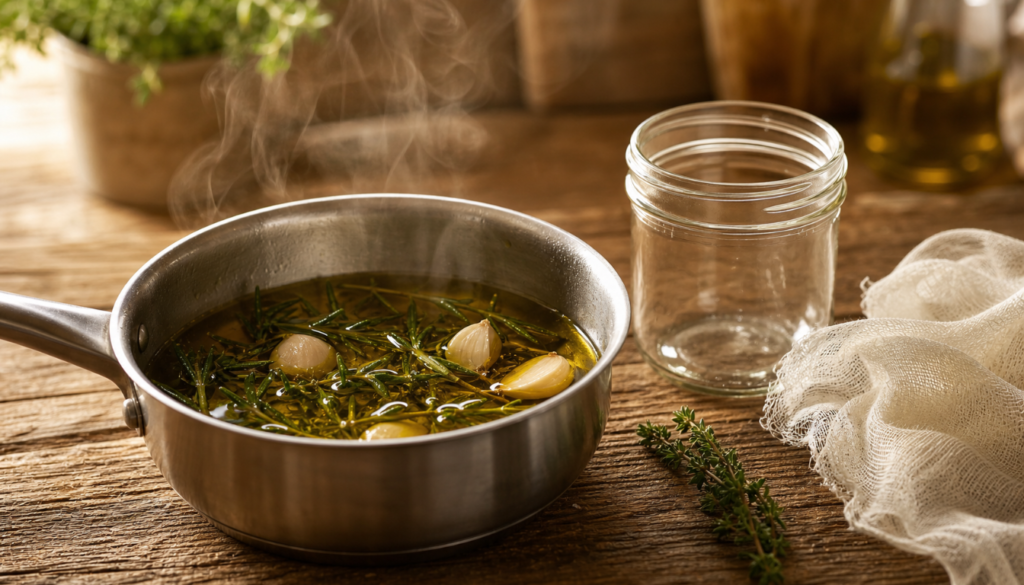
Making herb-infused oil at home is one of the simplest ways to bring a herbalist’s approach into everyday cooking. A well-made infused oil replaces butter in savoury dishes while adding layers of flavour and the natural properties of the herbs themselves.
What You Need:
- 250ml good-quality extra virgin olive oil or refined coconut oil
- 2–3 sprigs of fresh herbs, or 1–2 teaspoons of dried herbs
- A small saucepan
- A fine mesh strainer or cheesecloth
- A clean, sealed glass jar for storage
Method
- Place your chosen oil and herbs in a small saucepan over the lowest possible heat
- Warm gently for 20 to 30 minutes – the oil should never bubble or simmer; you are infusing, not frying
- Remove from heat and allow to cool completely
- Strain through a fine mesh strainer or cheesecloth into a clean glass jar, pressing the herbs to extract all the oil
- Seal, label with the date, and refrigerate
- Use within two weeks for best flavour and safety
Best Herb Combinations to Try
| Herb blend | Best used for |
|---|---|
| Rosemary + garlic | Roasted vegetables, bread, pasta |
| Thyme + lemon zest | Grains, legumes, light savoury dishes |
| Oregano + chilli flakes | Pasta sauces, pizza bases, dips |
| Sage + black pepper | Root vegetables, squash, savoury baking |
| Basil + garlic | Salad dressings, drizzling over soups |
A Note on Safety
Always use dry herbs or thoroughly dry fresh herbs before infusing, as water content in herbs can encourage bacterial growth in stored oil. If you use fresh herbs, store the oil in the refrigerator and consume within one to two weeks. Garlic-infused oil in particular should always be refrigerated and never stored at room temperature due to the risk of bacterial contamination.
Baking vs Cooking: Which Substitute Works Best?
Not every vegan butter substitute performs equally in every situation. This table gives you a quick reference so you can choose the right option for the right recipe.
| Substitute | Baking | Cooking and sautéing | Spreading | Sauces and creams |
|---|---|---|---|---|
| Coconut oil | ✅ Excellent | ✅ Good (refined) | ⚠️ Solid when cold | ✅ Good |
| Herb-infused olive oil | ⚠️ Savoury only | ✅ Excellent | ✅ Drizzling only | ✅ Excellent |
| Avocado | ✅ Dense bakes only | ❌ Not ideal | ⚠️ Works fresh | ⚠️ Limited |
| Nut butters | ✅ Good in dense bakes | ⚠️ Limited | ✅ Excellent | ✅ Good in creamy sauces |
| Plant-based margarine | ✅ Excellent | ✅ Good | ✅ Excellent | ✅ Good |
| Unsweetened applesauce | ✅ Moist bakes only | ❌ Not suitable | ❌ Not suitable | ❌ Not suitable |
| Silken tofu | ⚠️ Limited | ❌ Not ideal | ❌ Not suitable | ✅ Excellent |
What to Look for When Choosing a Vegan Butter Substitute
Not all plant-based alternatives are equally clean or nutritious. Knowing what to look for on a label helps you choose options that genuinely support a natural, health-focused lifestyle rather than simply replacing one processed ingredient with another.
Check the ingredient list first:
- The first ingredient should be a recognisable oil or whole food, such as olive oil, coconut oil, sunflower oil, or avocado
- Avoid products that list partially hydrogenated oils anywhere on the label – these introduce trans fats, which research links to increased cardiovascular risk
- Shorter ingredient lists generally indicate less processing
Consider the smoke point:
- For high-heat cooking such as roasting or stir-frying, you need a fat with a high smoke point
- Refined coconut oil (204°C), light olive oil (240°C), and plant-based margarine (around 180°C) all handle heat well
- Extra virgin olive oil and avocado are better kept for low-heat cooking or finishing dishes
Organic where possible:
Oils absorb pesticide residues easily during processing, so choosing organic versions of coconut oil and olive oil is worth the small additional cost if your budget allows.
Watch for hidden dairy:
- Some margarines labelled “plant-based” still contain trace dairy derivatives such as casein or whey
- Always check for a certified vegan label if avoiding dairy completely is important to you
Before You Go – Vegan Butter Substitutes
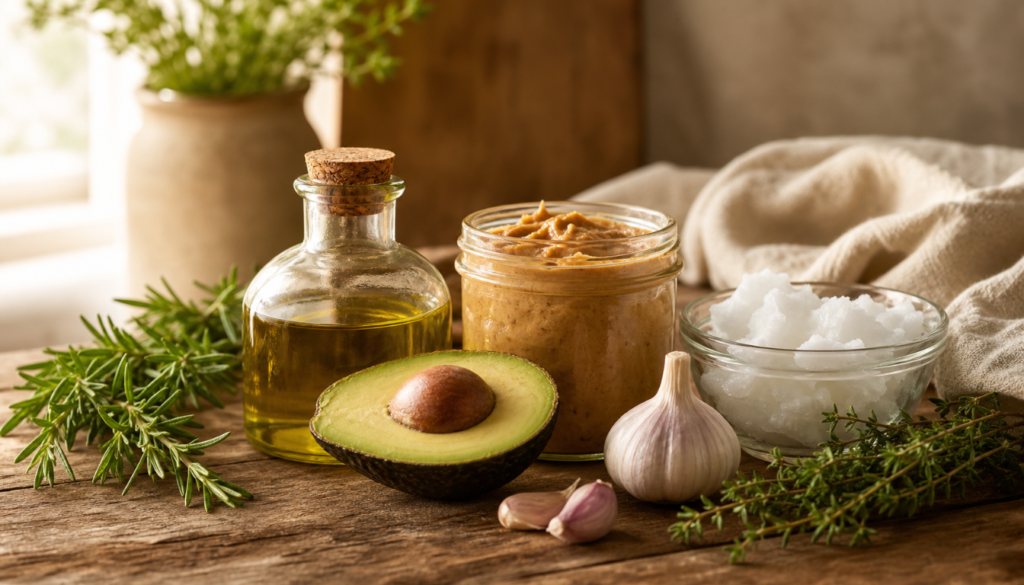
Choosing vegan butter substitutes does not mean settling for less. Each option in this guide brings something different to the kitchen: coconut oil for richness and structure, herb-infused olive oil for flavour and function, avocado for healthy fats and moisture, and plant-based margarine for the most direct like-for-like swap.
From a herbalist’s perspective, the most rewarding approach is to go beyond plain substitution. Making your own herb-infused oils turns a simple cooking fat into something genuinely nourishing and aromatic, and it connects everyday cooking to the broader tradition of using plants purposefully in the kitchen.
Start with one or two substitutes that suit the recipes you make most often, and build from there. You do not need to overhaul your kitchen overnight. Small, informed swaps made consistently will shift both the flavour and the nutritional profile of your cooking in a meaningful direction.
References – Vegan Butter Substitutes
Eyres L, et al. “Coconut oil consumption and cardiovascular risk factors in humans.” Nutr Rev. 2016.
Schwingshackl L, et al. “Olive oil in the prevention and management of type 2 diabetes mellitus.” Nutr Diabetes. 2017.
Dreher ML, Davenport AJ. “Hass avocado composition and potential health effects.” Crit Rev Food Sci Nutr. 2013.
Harvard T.H. Chan School of Public Health — Coconut Oil
Handbook of Medicinal Herbs, by James A. Duke, Pub. CRC Second Edition 2007
Planetary Herbology, Michael Tierra, C.A., N.D., Lotus Press, 1988
Related Articles
Oregano Oil vs Garlic Oil: Which Natural Antimicrobial Wins
Types of Oregano Plants: The Mega Informational Guide
Rosemary Tincture Recipe: Make Your Own Herbal Remedy
Frequently Asked Questions – Vegan Butter Substitutes
What are the best vegan butter substitutes for baking?
Coconut oil and plant-based margarine perform best in most baking recipes because they provide the fat structure that baked goods need. Mashed avocado works well in dense, moist bakes such as brownies and banana bread, and unsweetened applesauce suits muffins and quick breads where you want added moisture and lower fat content.
Can I use olive oil instead of butter in cooking?
Yes. Olive oil works well as a butter substitute in most savoury cooking applications, including sautéing, roasting, and finishing sauces. For the best results, use refined or light olive oil for higher-heat cooking and extra virgin olive oil for low-heat finishing. Infusing olive oil with rosemary, garlic, or thyme before using it elevates the flavour significantly.
Is coconut oil healthier than butter?
Coconut oil contains medium-chain triglycerides (MCTs), a type of saturated fat that the body metabolises differently to the long-chain saturated fats in dairy butter. Some research suggests MCTs may support energy metabolism, though the evidence is mixed and coconut oil remains high in total saturated fat. For most people, using it in moderation as part of a varied plant-based diet is a reasonable choice.
What is the healthiest vegan butter substitute?
From a whole-food perspective, extra virgin olive oil, avocado, and raw nut butters are the least processed and most nutrient-dense options. They provide healthy unsaturated fats, vitamins, and in the case of nut butters, plant protein. Plant-based margarine is more practical for direct butter replacement but tends to involve more processing.
Do vegan butter substitutes work the same way as butter in recipes?
Most substitutes work well with minor adjustments. Liquid fats such as olive oil require slightly less volume than solid butter, typically around three-quarters of the stated amount. Coconut oil behaves most similarly to butter because it solidifies at room temperature. Applesauce and avocado change the texture of baked goods, producing a denser, more moist result rather than a light, crumbly one.
Can I make my own herb-infused butter alternative at home?
Yes, and it is one of the most rewarding things you can do with plant-based oils. Gently warming olive oil or coconut oil with fresh rosemary, thyme, garlic, or sage for 20 to 30 minutes over very low heat creates a fragrant, functional cooking fat that replaces butter in savoury dishes while adding genuine herbal depth. Store in a sealed glass jar in the refrigerator and use within two weeks.